Russian right muzzled
The death of the 'Spaniard'. Rusich's humiliations. Drugs, arms smuggling, football hooligans.

A few days ago, news emerged that the leader of Russia’s largest rightwing battalion had been killed. Not at war, but by Russian security services. This incident is quite symptomatic of the quite different relationship the Russian and Ukrainian governments have towards the use of ideologized nationalist militias.
This is also quite relevant for the future of the war. The western media likes to occasionally fantasize about another Prigozhin-style uprising. Alternatively, the press sometimes claims that the Russian government could be limited in its negotiation capacities due to putative resistance from nationalists in the military.
As the following stories should show, this is quite a misplaced fear (or hope). Unlike Ukraine, Russia’s nationalists are quite hamstrung by the security services, though some influential figures do patronize them.
Russian volunteer units
Both the Russian and Ukrainian war efforts have involved nationalist volunteer units, quite often filled with exceedingly unsavoury individuals. However, the two societies have quite different approaches towards these volunteer units, or, to call a spade a spade, neo-nazi militias.
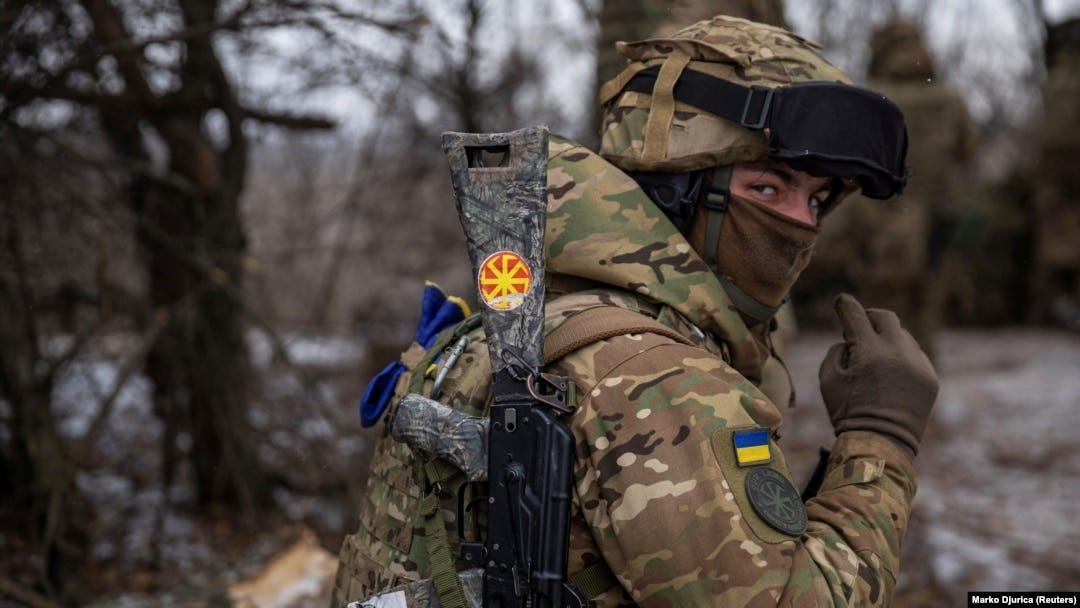
Ukraine has built its identity around a (neoliberal) disdain for the state and glorification of ‘ground-up initiatives’. This conception heroizes IT startupers and nationalist volunteer battalions alike. Indeed, the same class of people can be found in both groups.
Russia, in contrast, glorifies the power of its state. It is the regular armed forces that are expected to win wars, not ‘plucky volunteers’. Nevertheless, Tsarist Russia once employed a vast contingent of irregular Cossack troops to guard its borders.
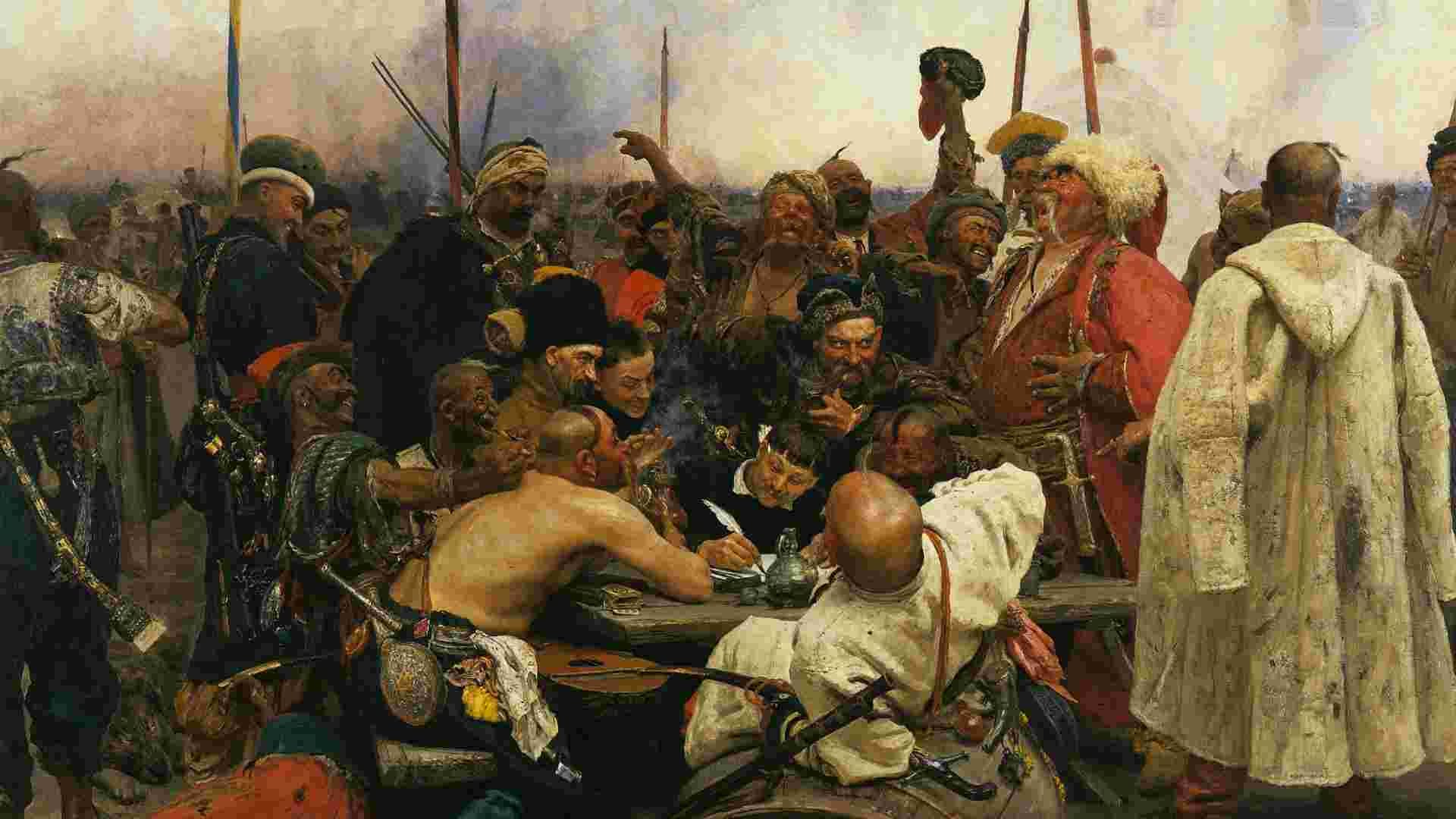
The role of the Cossacks in the history of both countries is instructive. Cossacks in both modern-day Ukraine and Russia regularly rioted against authority.
When the Cossack Bohdan Khmelnitsky rose up against the Polish-Lithuanian Commonwealth in 1654, this gave rise to the short-lived Hetmanate. This was a vassal state to Russia that marked the highpoint of Ukrainian national sovereignty until the 20th century. Ukrainian nationalist historians have always stressed the ‘freedom-loving Cossack’ as the foundation of Ukrainian statehood.
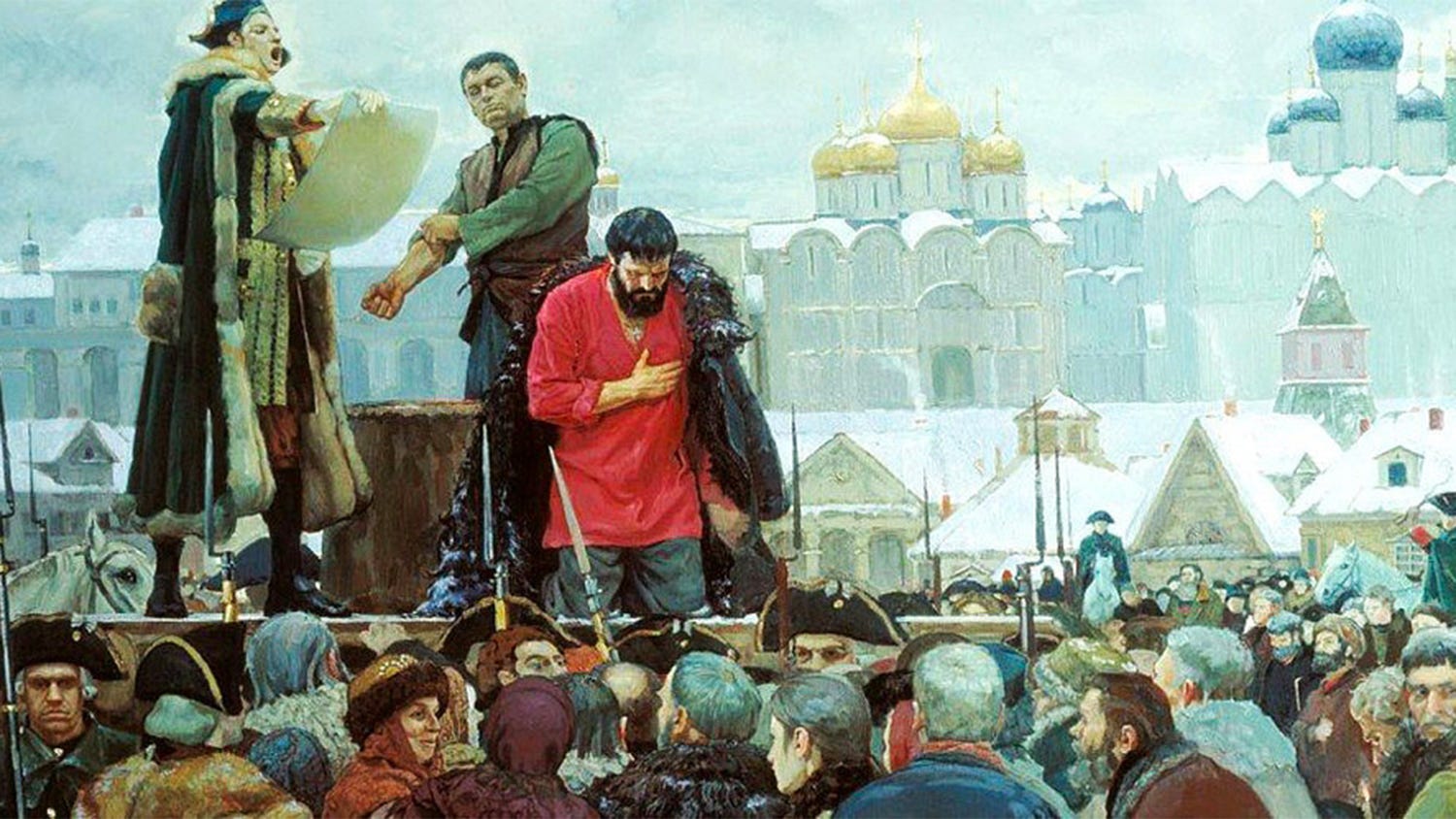
But when Russian Cossacks like Stepan Razin or Emelyan Pugachev rose up against Moscow in the 17th and 18th centuries, they were crushed by the central government. They are remembered as either traitors with possible foreign ties or misguided fighters for social justice. Russian national poet novelized Pugachev’s uprising, famously quipping:
God forbid we see a Russian revolt, senseless and merciless!
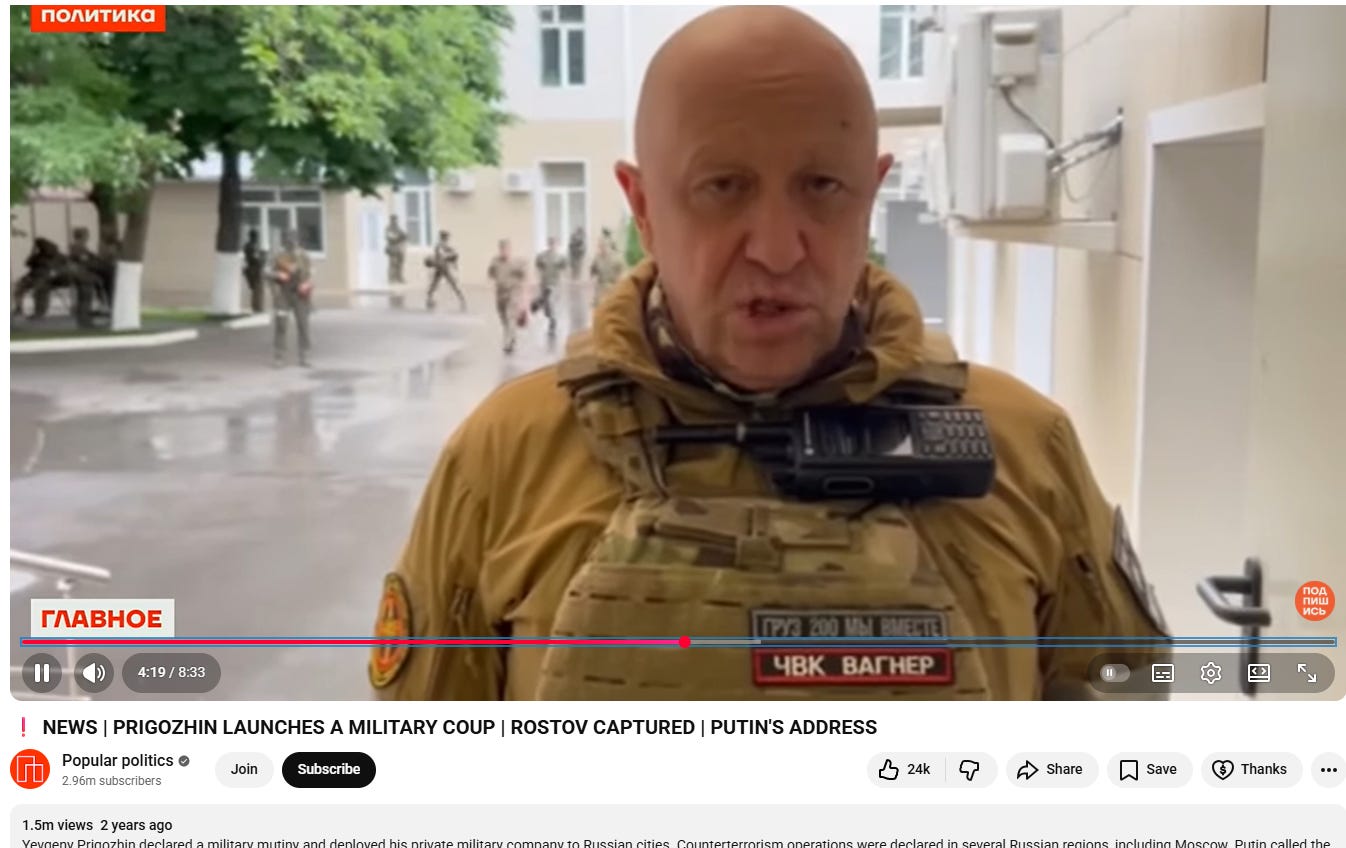
The 2023 uprising by PMC Wagner leader Evgeny Prigozhin is often compared to the mutinies of Razin and Pugachev, both by Prigozhin’s opponents in the Russian government and his nationalist admirers. The dissolution of PMC Wagner and the mysterious (or not) death of Prigozhin soon after his failed mutiny also echoes Razin and Pugachev’s fates. All the groups we will analyze today were at some point allied with Prigozhin’s PMC Wagner.
Now back to the present.
Ukraine’s army was extremely unenthusiastic to fight its citizens in 2014. As a result, much of the early war effort depended on the efforts of nationalist fighters in volunteer formations like Azov.
Facing the likes of Azov were mostly not opposed nationalist forces. In the 2014 to 2022 period, most of the combatants fighting the Kiev government in the Donbass were (former) Ukrainian citizens. For this reason, oligarch Igor Kolomoisky, a major sponsor of Ukrainian volunteer troops in 2014-15, called it a ‘civil conflict’ in 2018. He said the war was most similar to the Spanish Civil War, a comparison I agree with. Though it was Spaniards who did most of the fighting, all sides were significantly aided by outside forces. That didn’t negate its character as a civil war.
And if the weak Ukrainian state was probably desperate to send rebellious nationalists off to die in the war, the Russian government felt less pressure to do so.
Unlike Ukraine, Russia has been able to repress rebellious nationalists quite easily. Maxim Martsinkevich, the most famous neo-nazi of the post-soviet world, idolized by nationalists in both Ukraine and Russia, died in a Russian jail in 2020. Scores of violent Russian nationalists fled to Ukraine to escape criminal charges in Russia throughout the 2000s. After the 2014 euromaidan, even more Russian neo-nazis came to Ukraine. Many of them have gone on to play highly important roles in the development of the Azov movement.
But there were ideologized volunteer units on the side of the pro-Russian Donbass republics, as well. Unlike Ukraine, there was more ideological diversity here. On the side of the Donbass republics fought both neo-nazis in ‘Rusich’ and left-populists in ‘Prizrak’. Declared communists with their symbolism have always been able to fight on the Donbass/Russian side, unlike Ukraine.
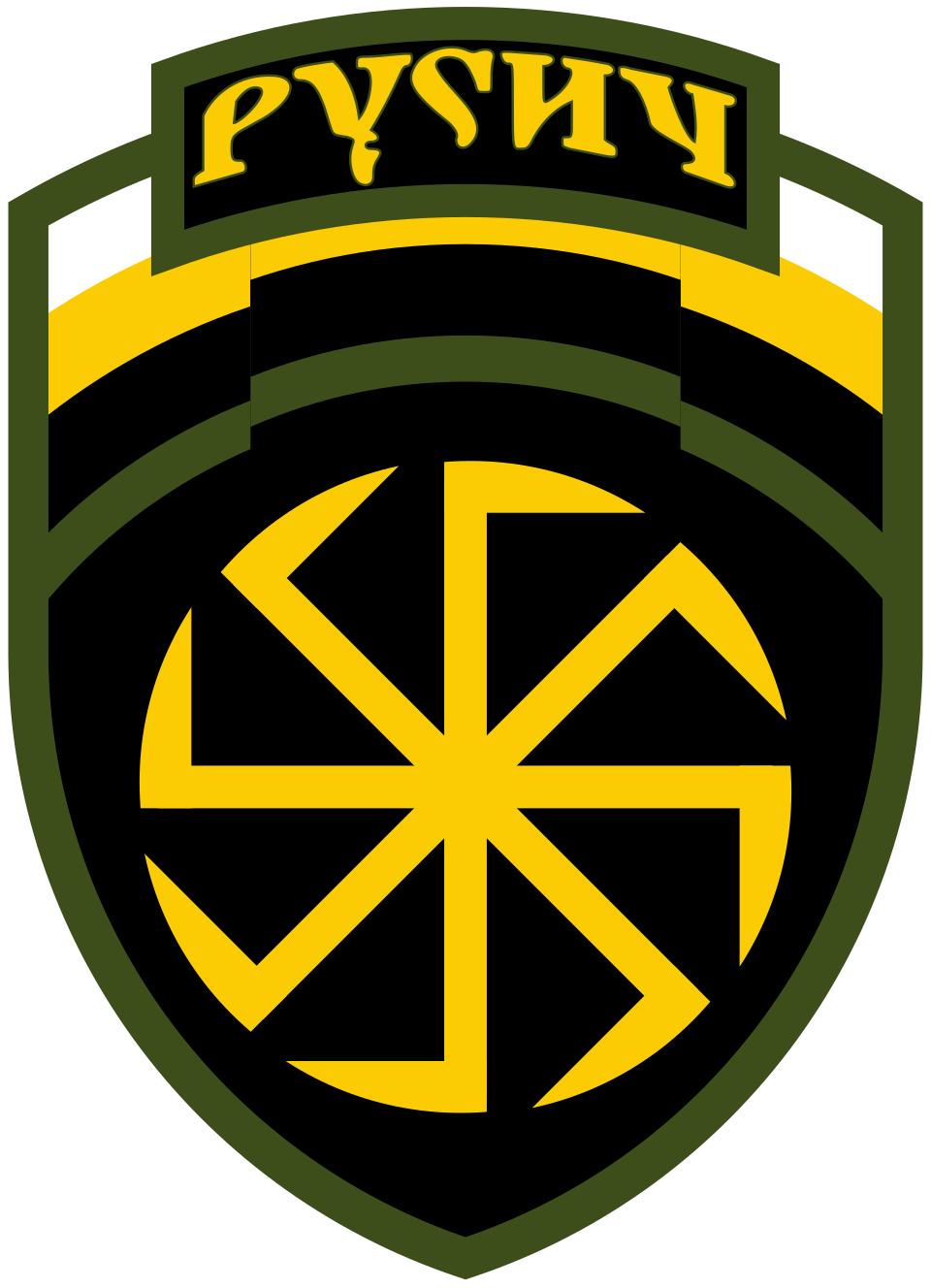
Nevertheless, in the 2014-22 period groups like Rusich were relatively tiny. Though they got plenty of PR, Rusich leader Alexey Milchakov admitted in a 2020 interview that his unit only had a few dozen members. Though Rusich was in the Donbass in 2014, after that its fighters were with Wagner in Syria.
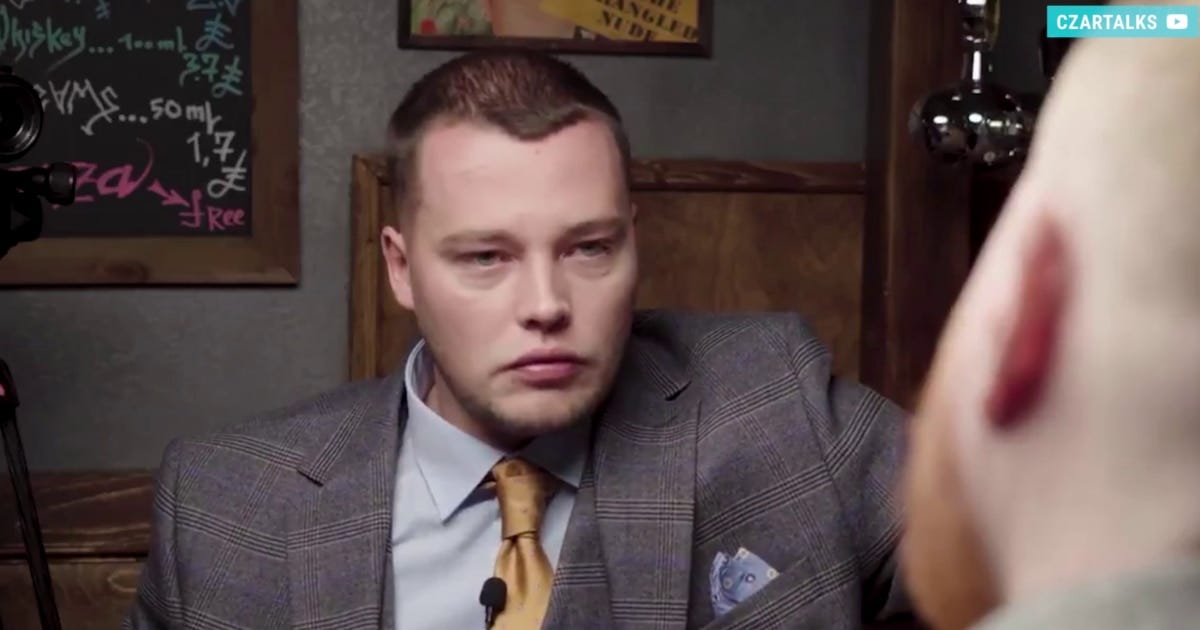
By 2022, western media would claim that Rusich had several hundred members. It is certainly likely that Rusich has grown in wartime.
But it is still incomparable to Ukraine’s Azov, which counts many tens of thousands of members in the Ukrainian army over a range of units. The Third Army Corps alone has 20,000 troops as of 2025, and is set to grow to 40,000. And there are many other units in the Azov family, such as the 1st Azov Corps of the national Guard and special forces units in military intelligence like the Russian Volunteer Corps or Kraken.
What Rusich lacks in size, it makes up for media presence. Its telegram channel has almost 250,000 subscribers. This is at least partly due to Rusich’s PR support from the rightwing Russian oligarch Konstantin Malofeev, especially through his ‘Tsargrad’ media group. In turn, Rusich churns out the anti-migrant propaganda that Malofeev so loves.
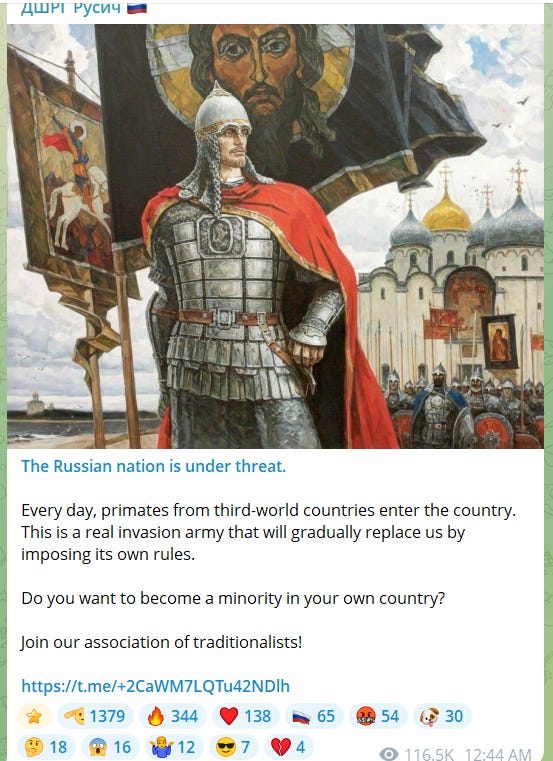
But why does such a unit exist to begin with? There’s the obvious fact that those with a passion for and experience in violence are what any state needs to fight wars. The nazi football hooligans that make up groups like Rusich certainly fit these qualifications.
Groups like Rusich — and the Wagner PMC, which was always closely associated with Rusich — also ensure that potentially oppositional white nationalists are fighting for the government, not against it. This isn’t anything particularly new. It is often hard to distinguish the ‘true nationalists’ and the ‘fake government ops’ in the Russian 2000s and 2010s. Of course, this hardly differs from the situation in the US, or any other country.
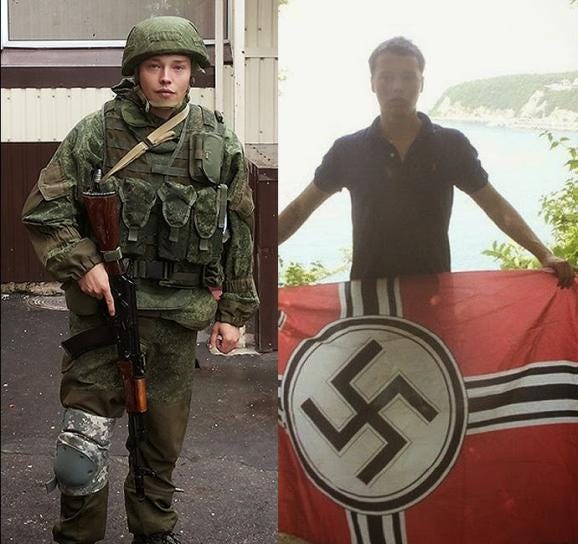
Figures like Malofeev and groups like Rusich are also important in that they prevent all Russian nationalists from defecting to the Ukrainian side. In 2014, a significant portion of Russian nationalists did just that. Given their repression by the Russian government, pro-Ukrainian sentiments were particularly widespread among the most violent and extreme nationalists.
As I wrote recently, Rusich leader Alexey Milchakov’s best friend defected to Ukraine in 2014, becoming a prominent figure in Azov. Some even claim that Milchakov visited Kiev in late 2013 to check out the ongoing nationalist revolution. Rusich’s slogan ‘Glory to Rus’ is the same slogan used by Rusich’s competitors, the pro-Kiev Russian nazis in the ‘Russian Volunteer Corps’. In the interview to Ukrainian media below, Russian Volunteer Corps representative Alexei Levkin boasts that plenty of ex-Wagner troops have defected over to him.
Rusich’s humiliations
Russian rightwingers supporting the post-2022 war effort have certainly been able to grow their online reach. Rusich’s current telegram, set up in late 2022, only broke 100,000 followers in mid-2023, and currently has 250,000. The rightwing blogger/shitposter Vladislav Pozdnyakov has increased his telegram followership from 30,000 to 230,000 since 2022, and Rusich fighter Evgeny Razzkazov rose from 5,000 to 132,000 followers.
But despite this, they remain a rather embattled force in Russia’s complex world of political intrigues. Often accused of mainly existing online, Rusich seems to spend much of its time declaring it has abandoned the battlefield due to its frustrations with the Russian government. When it isn’t doing that, its fighters threaten the Russian government with race wars.
In July 2023, prominent Rusich fighter (Ukrainian-born, by the way) Evgeny Razzkazov threatened some sort of violent action unless the government punished a Muslim he accused of an attack on a military veteran:
I am issuing a direct ultimatum. The authorities have 48 hours… If this does not happen, I will take to the streets, and everyone who has the honor and courage to follow me will come out with me. And we will begin to defend our homes, our children, our wives, and our elderly ourselves.
Razzkazov, alias ‘Topaz’, is mainly known for publicly celebrating Hitler’s birthday. The following isn’t the only example.
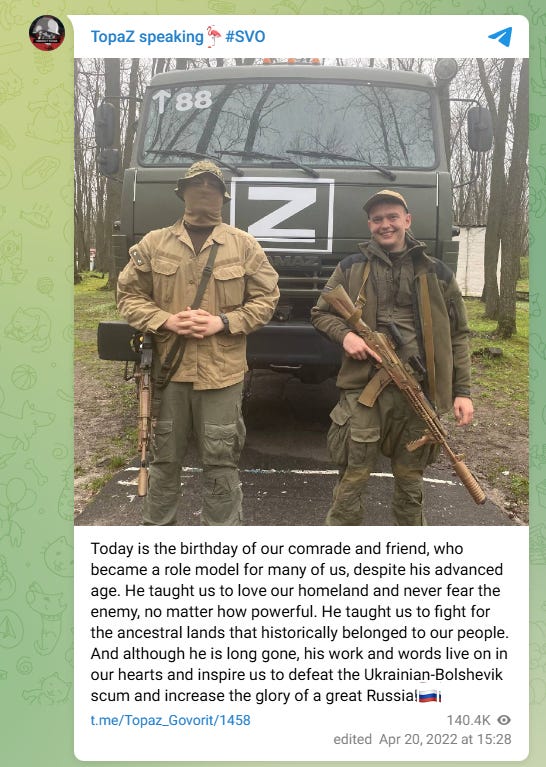
Anyway, Topaz’s grand 2023 race-war ultimatum came to… nothing. After his declared 48 hours deadline for the government to do something ran out, he met with two bloggers and announced a paid stream for ‘for subscribers of the rank ‘obscenely rich Russian’ and higher’. The two bloggers were a rightwing Muslim Dagestani (yes, they exist), and a Russian nationalist MMA fighter named Max Divnich, previously associated with Denis Nikitin’s WhiteRex tournaments. Nikitin is today the leader of Ukraine’s Russian Volunteer Corps.
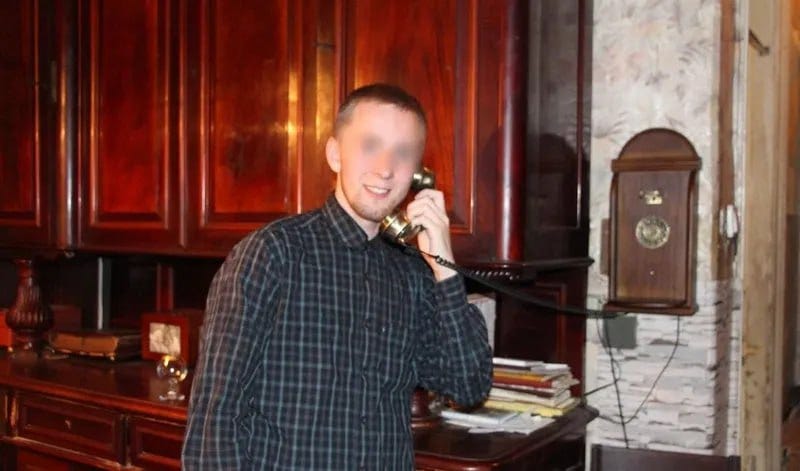
In 2023, a Rusich-linked individual was arrested in St Petersburg for plotting a terrorist explosion. He claimed that his 3 kilograms of explosives and 166 rounds of ammunition belonged to Rusich. Drugs were also present. The man arrested, a 33 year-old painter, posts a range of rightwing, Nietzchean content online. He told another Russian publication that Rusich leader Milchakov had given him the weapons in 2015.
As I’ve written before, Rusich was one of the few groups that openly supported Prigozhin’s July 2023 mutiny. It found itself in the company of a range of fervently anti-Putin liberals and neo-nazis living in Ukraine and western countries.
Obviously, this is unlikely to have helped Rusich’s image in the eyes of the government.
Then in August 2023, Rusich officially declared it was leaving the battlefield. Its reason for doing so was the Russian government’s inability to stop the arrest in Finland of key Rusich figure Yan Petrovsk, aka ‘Slavian’.
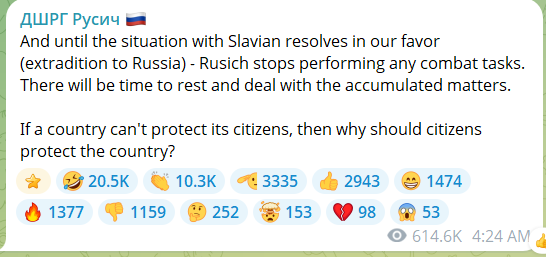
This combat rest seems to have only lasted a few months.
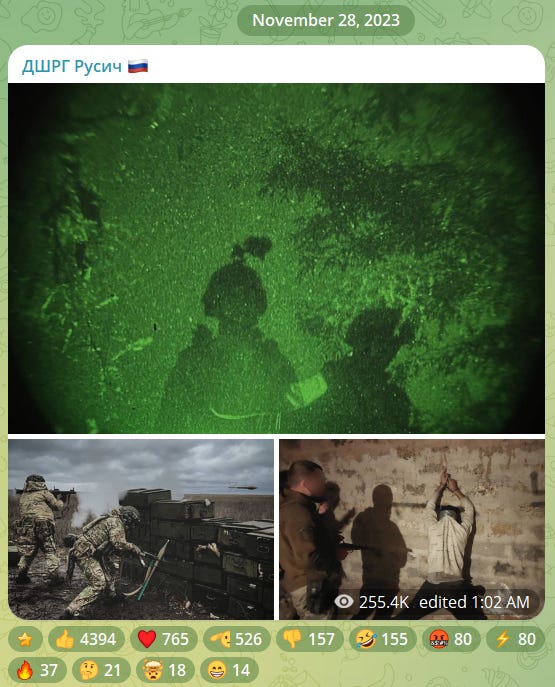
While Petrovsky rotted away in Finland, Kirill Rimkus, another Rusich co-founder was arrested in September 2023, this time in Russia. He was accused of kidnapping and violent extortion as part of an organized crime group. Rimkus died in Kursk in the summer of 2024. He was part of the unit Storm-Z, which is generally known for recruiting prisoners.
There’s also another fact about Rimkus. Just as Rusich leader Milchakov was close friends with pro-Ukrainian Russian neo-nazi Roman Zheleznov, Rimkus supported the Ukrainian Euromaidan in 2013. He only stopped supporting it after its victory in February 2014, because liberal nationalists came to power instead of the open neo-nazis he liked.
And in April 2024, prominent Rusich fighter and nationalist blogger Evgeny Razzkazov lost a court case against a left patriotic Russian senator. The court ordered Razzkazov to pay 500,000 rubles in compensation.
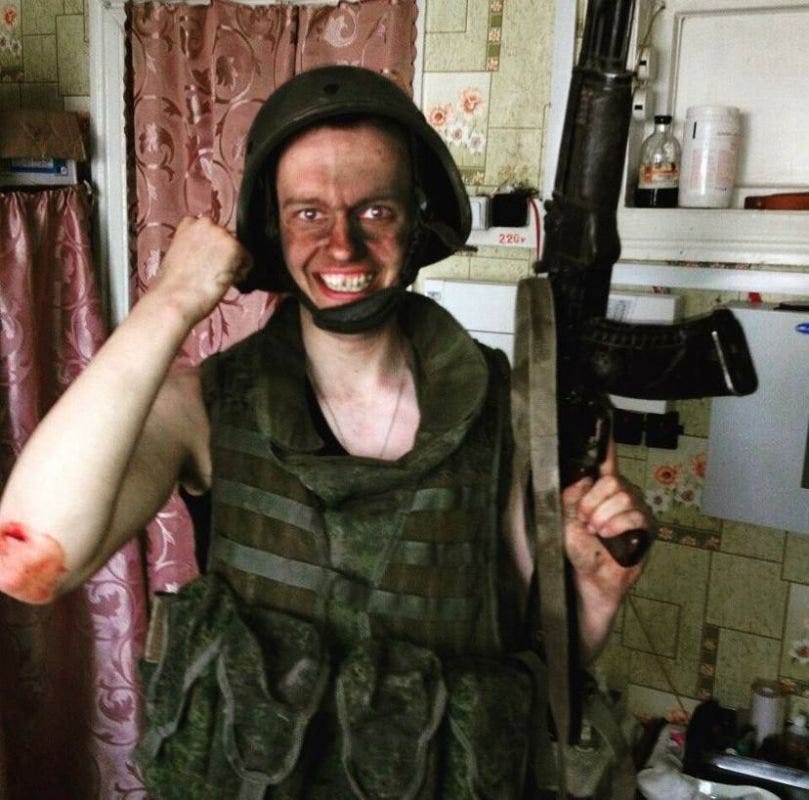
The conflict between the two is all rather inane and I won’t go into it. As usual, it involves arguments over Muslims. The fact that Razzkazov lost the case is what matters. In Ukraine, it would be unthinkable for any politician to sue a top Azov fighter for slander, let alone to win the case. Razzkazov ended up fleeing to the frontlines to escape the court case, now as part of the Espanyola unit.
Rusich is also often forced to delete particularly offensive posts. In August 2024, Rusich called for its followerts to deliver it a ‘one captured Ukrainian (preferably not a true Slav, but a smoked Crimean Tatar or something similar) to perform a ritual sacrifice to the Slavic Gods’ After a protest from a Crimean Duma senator in the ruling United Russia party, they deleted the post a few days later.
There was also the declaration of cryptocurrency rewards for videos showing the execution of Ukrainian POWs recently. I covered it here, as well as the Ukrainian counter-competition. Rusich also deleted that post fairly quickly.
A particularly strange example of wikipedia’s bias can be seen in the page on ‘crimes involving the Order of the Nine Angles’. Despite the fact that the most well-known Russian adepts of this nazi satanist cult currently fight for the Ukrainian army, no mention is made of this. That is even though the bibliography for the page includes the Russian investigation into these very individuals!
Instead, Rusich is made into Russia’s chief O9A proponents. Now, I don’t doubt that Rusich is into the O9A mumbo jumbo. Maybe they’ve even committed some ritual murders. Their recent post calling to murder Ukrainian POWs contained a reference to Morena, the ‘Slavic god of death’ glorified by Russian O9A literature.
However, the wikipedia page contains bizarre allegations that Rusich forces ritually murdered and dismembered a Chechen ‘Akhmat’ soldier. The source for such claim is the New Statesman, but the only source is from Ukrainian hacker groups. Perhaps it really happened, but if it did, Akhmat would have made a massive noise about it. They are very well connected in Russia, as we will see shortly.
Rusich has had beef with the Chechen community. Quite naturally, given Rusich’s nationalist proclivities. Both Rusich and Chechen fighters accuse each other of being ‘Tik Tok fighters’.
However, this struggle has been quite squarely won by the Chechens.
In early 2014, commander of Akhmat Apti Alaudinov called Rusich a bunch of ‘fascists’ and ‘armchair warriors’. The conflict ended in January 2025 with Milchakov ‘the Serb’ sitting in Auldinov’s room in front of the Akhmat banner. Naturally, Rusich’s telegram followers weren’t impressed.
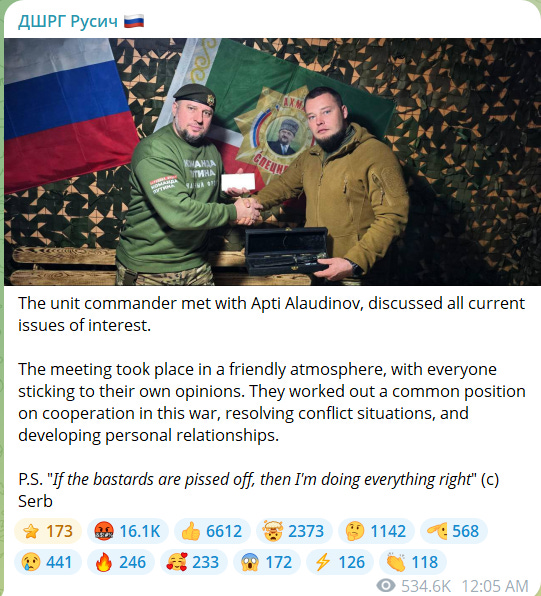
Ukrainian and pro-Ukrainian Russian neo-nazis spent the next couple of months reposting the video and gleefully declaring variations of ‘Milchakov has been raped by the Chechen goatfuckers’.
In a desperate attempt to protect his reputation, Rusich threatened to kill a Russian Senator from the ruling United Russia party later in January 2025. The senator’s crime was to defend Russia’s multi-ethnic nature.
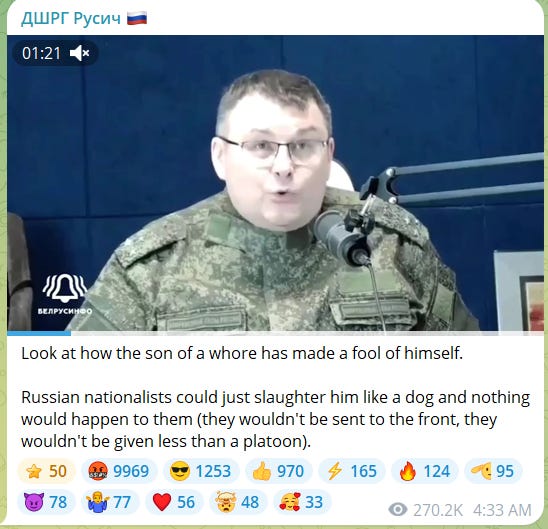
It is hard not to conclude that Rusich has proven powerless in the face of Russia’s Chechen deep state.
Malofeev’s nazis
Besides Rusich, there are three other ideologized Russia nationalist units. These are the 88th Espanyola brigade, the 106th airborne division, and the Russian Imperial Legion. Little is known about the Russian Imperial Legion and it seems fairly irrelevant.
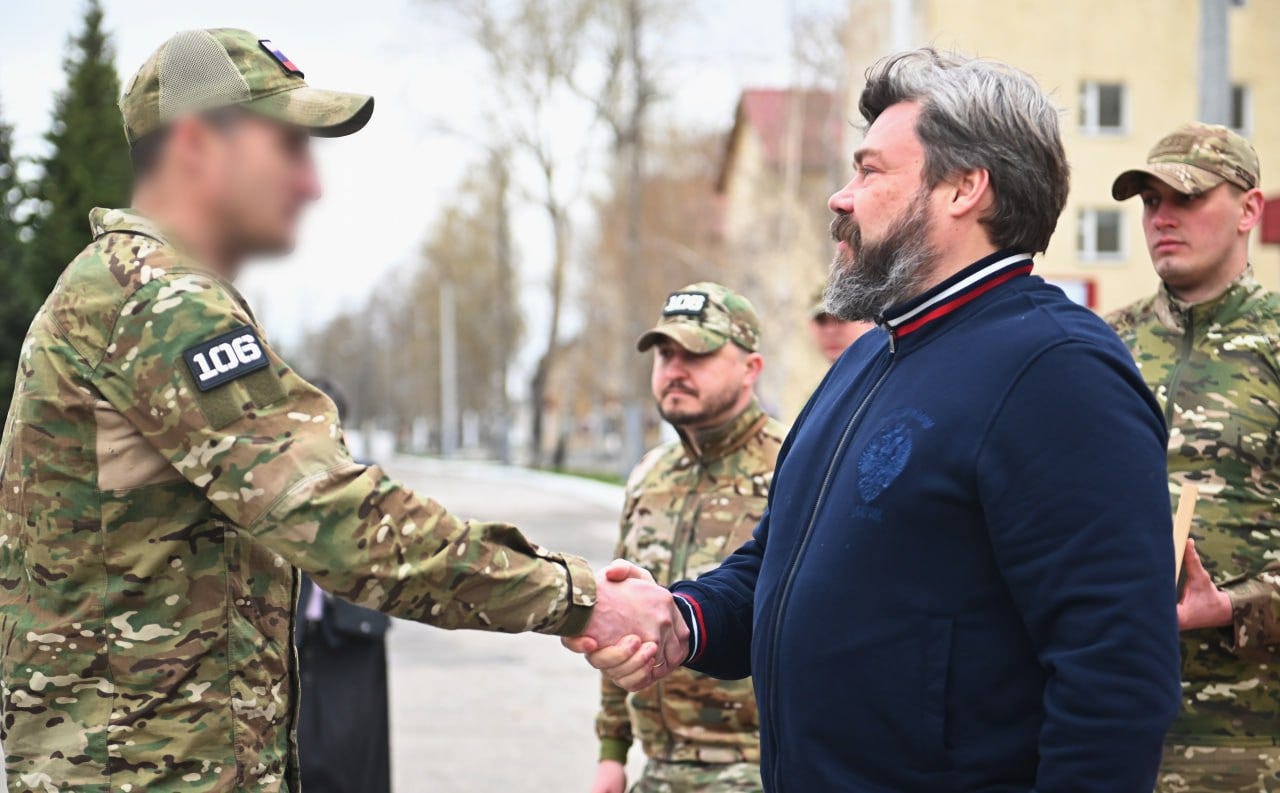
The 106th is part of the Russian ministry of defense, and is sponsored by rightwing businessman Konstantin Malofeev, a fascinating figure I have written plenty about.
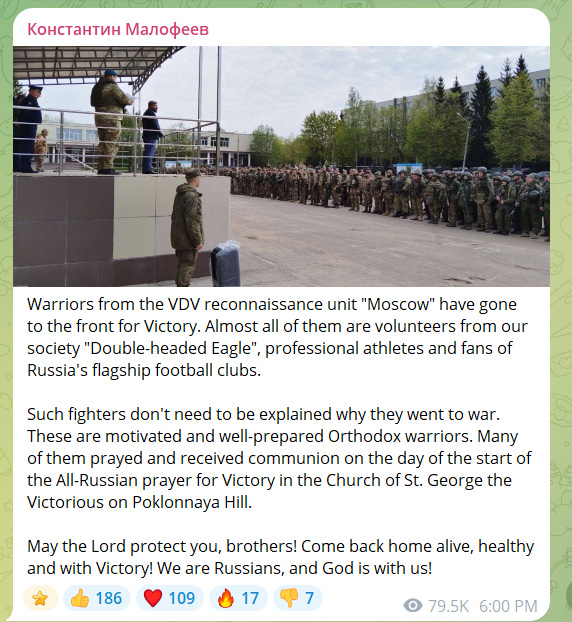
Malofeev often publishes photos of himself greeting the football hooligan ‘Moscow’ division off to war. In May 2023, announcing their formation and departure to the frontlines, he noted that many were members of his nationalist martial arts society ‘the Two-Headed Eagle’. I wrote recently about a number of cases where members of this network turned out to sympathize Ukraine’s nazi Azov movement.
DailyStorm.ru (not Stormer, by the way) put out a fairly positive piece on the 106th when it was founded in 2023. In it, Tsargrad employee Dmitry Rumyantsev tells the publication about the 106th close links with Prigozhin’s Wagner, then still at large:
"Wagner has been around for a long time as an organization, and many people have passed through it. So it's perfectly normal; they're everywhere now. They're football fans here, too. There's nothing wrong with them serving in Wagner, " said Dmitry ‘Frank’ Rumyantsev, press attaché for the 106th Brigade.
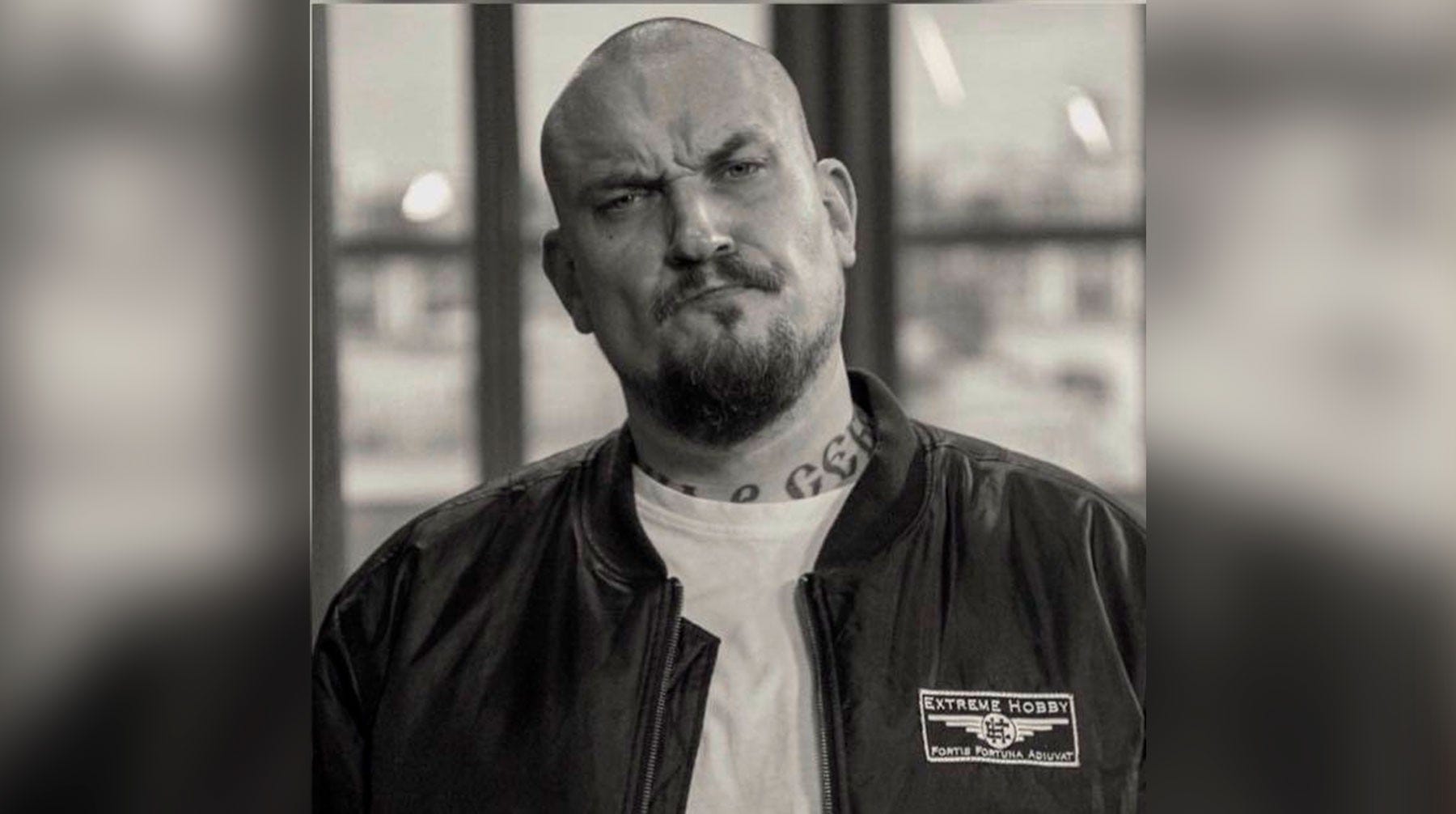
He also confirmed that new recruits are sought out through Malofeev’s organization:
Our senior comrades from the Double-Headed Eagle and friends of this organization, including those from the football world with ties to military service, work on this.
Naturally, Rumyantsev claims that the 106th wasn’t created by Malofeev. But Rumyantsev, himself Malofeev’s employee at Tsargrad, admits that Malofeev’s money is getting to the 106th:
"Many people think Malofeev created [the 106th Brigade]. On the contrary, the initiative came from the Double-Headed Eagle to Malofeev, who said we wanted to gather our guys from the football community in one place. He supported it and, in fact, is sponsoring it all. <...> Personally, I don't receive money from Malofeev, but I know he helps. We have an accounting department. I don't know how much Konstantin Valerievich [Malofeev] enters into it, and anyway, it's none of my business , " the press attaché confirmed.
And despite Malofeev’s constant emphasis on the need for Russia to embrace Orthodox Christianity and reject the Satanist west, Rumyantsev and the 106th are (naturally) quite into paganism:
“We are mostly right-wing nationalists, that’s no secret. There are pagans and even Buddhists among us , “ said Dmitry Rumyantsev.
Dmitry himself wears a jacket with a mjolnir, the hammer of the Norse god Thor, a symbol commonly found among neopagans. However, his press attaché says he is an Orthodox Christian.
“I just like Thor’s hammer. I believe in our Lord Jesus Christ, but I can’t believe in the hammer. It’s just a beautiful symbol , “ a fan commented .
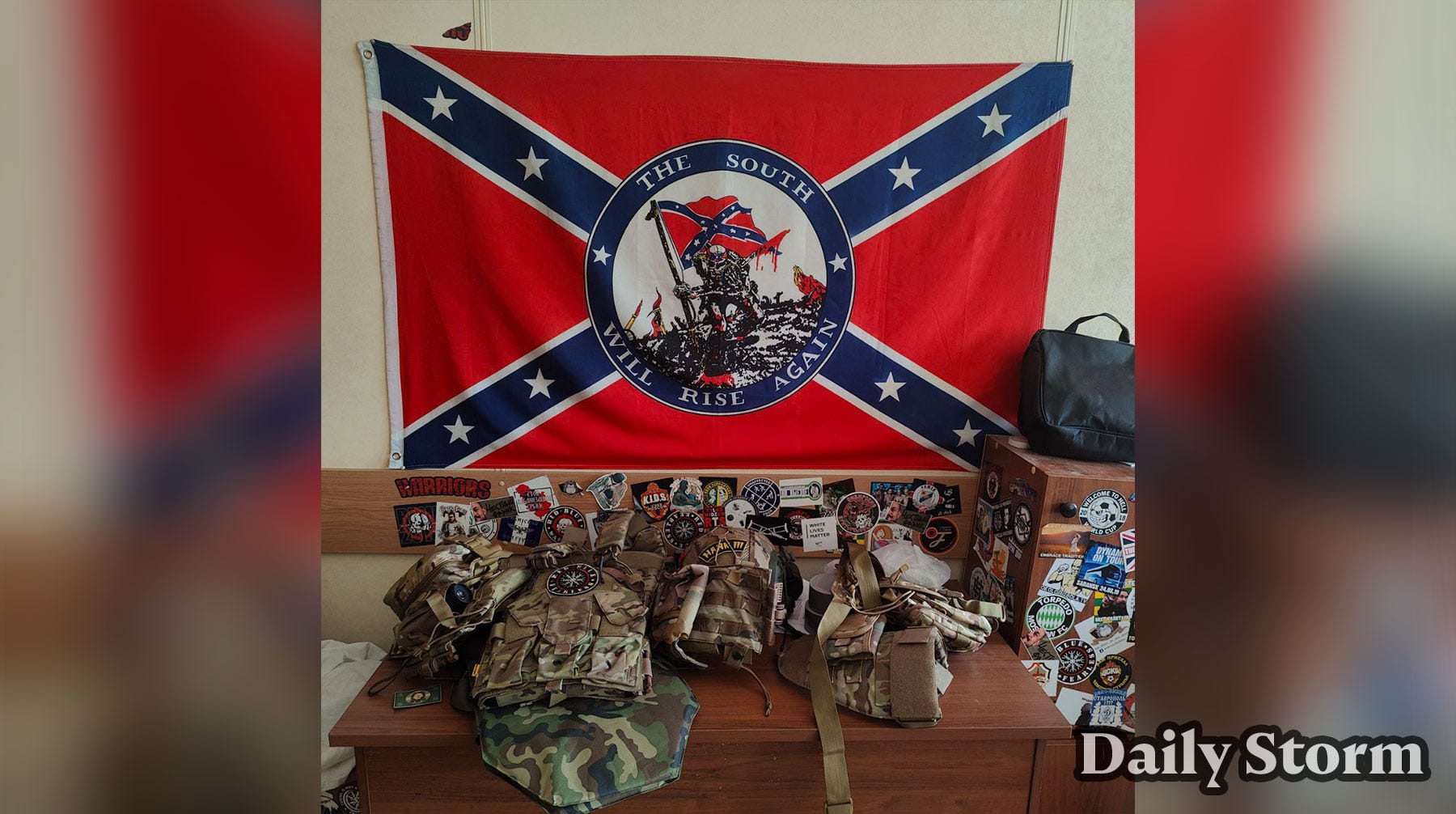
The article also shows the 106th questionable taste in banners:
Naturally, the 106th also has racial and political requirements for prospective recruits:
There are no representatives of football clubs from the Caucasus among the battalion’s fighters. Frank explained this by saying that these clubs have no football-related organizations.
“There’s no football-related movement in these clubs, so we can’t have these guys. The core of the team is made up of people from that subculture; there’s no such subculture there. There are people who think they’re part of that subculture, but we don’t think so. It’s nothing personal , “ the press attaché said .
The path to the 106th is also closed to liberals, communists and representatives of Antifa.
“There are no outright liberals. I really like the word, but I don’t really like who it’s applied to. It turns out that a liberal is a pro-Ukrainian. How can we have pro-Ukrainians in our reconnaissance company? As for communists, I don’t even understand how they can fight against the Ukraine they created. We can’t have people from the Antifa subculture because, to put it mildly, we don’t have a good relationship with them. And they’re unlikely to ask to join , “ Dmitry stated .
The 106th, despite its patronage by Malofeev, is nevertheless not universally liked by Russian law enforcement. In May 2024, a group of neo-nazis went off to fight in the 106th. This earned the ire of law enforcement in the Tula oblast, the area the young sig heilers hailed from. The institution angered was the famous ‘department E’, a section of the Russian interior of defense which focuses on extremist groups.
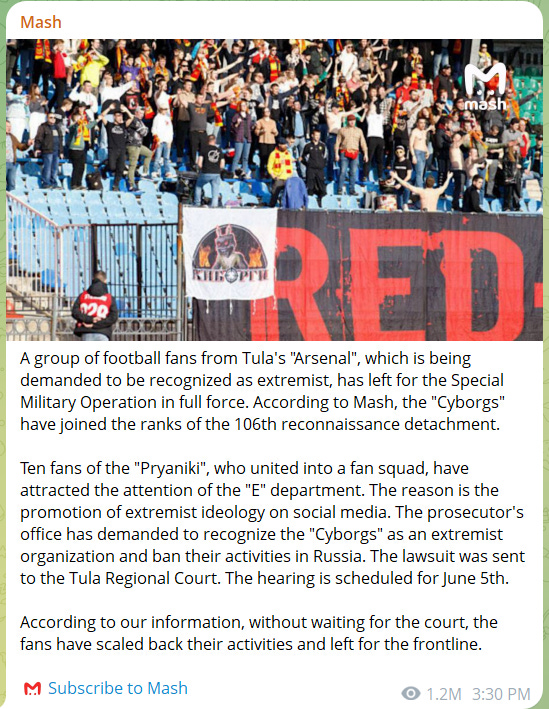
The telegram channel ‘Tula. ExtremiZm’, associated with Department E, released a long post on the matter on May 24, 2024, along with a video of the individuals in question:
Insider Info on the “Cyborgs”
In recent days, a number of major Telegram channels published news about an upcoming court hearing to recognize the group of Tula-based football hooligans known as the “Cyborgs” as an extremist organization and to ban their criminal activities in Russia.
Our editorial team has uncovered the full background of this group of “so-called fans,” the firm (in slang, a collective of individuals) known as the “Cyborgs.” Its members have only a very tenuous connection to football. The firm was created to engage in so-called “around-football” activity (a slang umbrella term that includes any kind of disorder involving fans), as well as to promote extremist ideas.
There were no random people in the “Cyborgs” firm: everyone was united by ideas of white racial superiority, assaults on people of non-Slavic appearance, a fondness for “ultra-right” tattoos (i.e. associated with people who share radical nationalist views), and the symbolism of neo-Nazism.
The “Cyborgs” firm has more than 10 members. One of its leaders was convicted of committing three extremist crimes (a death threat motivated by extremism and two counts of causing moderate bodily harm, also on extremist grounds). Another leader was convicted of repeated propaganda and public display of Nazi symbols. In addition to four extremist crimes, members of the firm committed nine administrative offenses of an extremist nature, which for the most part consisted of promoting extremism and Nazi symbols in public places. The symbols in question include Nazi imagery such as the “Black Sun” and the runes “Odal” and “Algiz,” symbols used by the SS and popular within the terrorist organization “Azov,” which is banned in the Russian Federation.
The members of the “Cyborgs” group survived on odd jobs, were mostly unemployed, and occasionally worked as security guards in Tula nightclubs.
As for the news claiming that the “fans” have ceased their activities and gone to the front lines, we leave that to the conscience of those who launched this paid-for story online. No comments here—sit back and enjoy the show.
P.S. Football lovers of “Azov,” indeed.
In October 2024, the 106th also announced it was open for white nationalist recruits from around the western world. However, the 106th doesn’t seem to be particularly large or active at the frontlines. And after just existing for two years, Russian law enforcement seems to already be fairly tired of it. But to understand that, we need to take a look at a much larger unit of Russian football hooligans.
Espanyola’s fall
The 88th Reconnaissance and Sabotage Brigade "Espanyola" (88th RDBR) is the largest Russian nationalist unit after the dissolution of Wagner in mid-2023. And yes, you read that right, the 88th.
Espanyola is said to be sponsored by associates of the Rotenberg brothers, a powerful financial clan in Russia that enjoys good relations with the Kremlin. They were apparently interested in having their own private army.
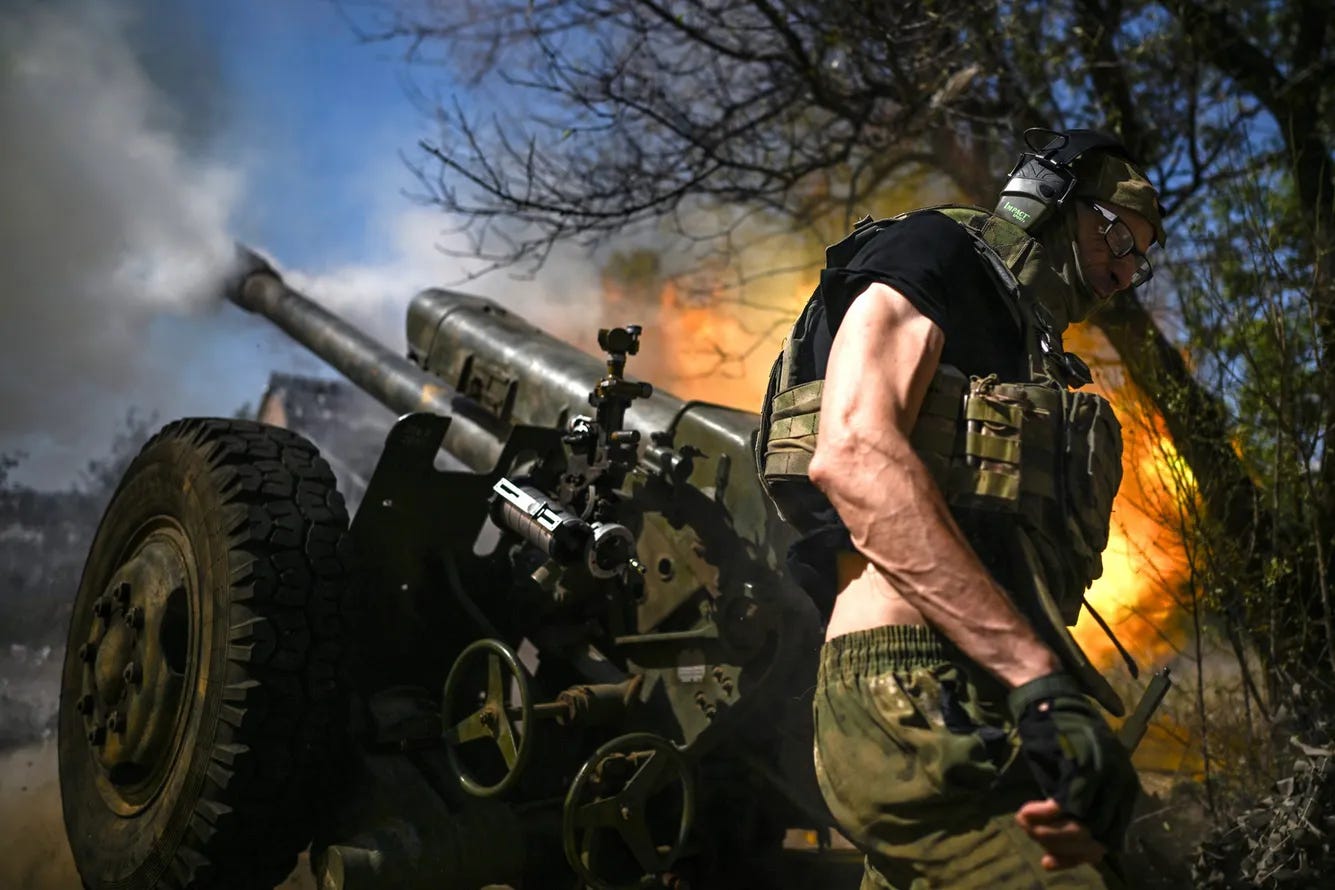
In fact, Espanyola was the largest rightwing unit, since it now no longer exists. Over the past few weeks, the unit has been disbanded and its leader killed by law enforcement. But why?
