World War 2030
Nukes, London, Belarus, Kaliningrad.

The British military elite in the dark depths of the Underground, executing decapitation strikes on Moscow while London turns into smoldering ruins. Belarusian tanks entering Ukraine from the north. Or Ukrainian tanks entering Belarus. Drone battles in Lithuania. Russian nuclear strikes on Britain’s Faslane and Coulport nuclear bases. Strikes on Europe’s North Sea oil and gas extraction and refining sites.
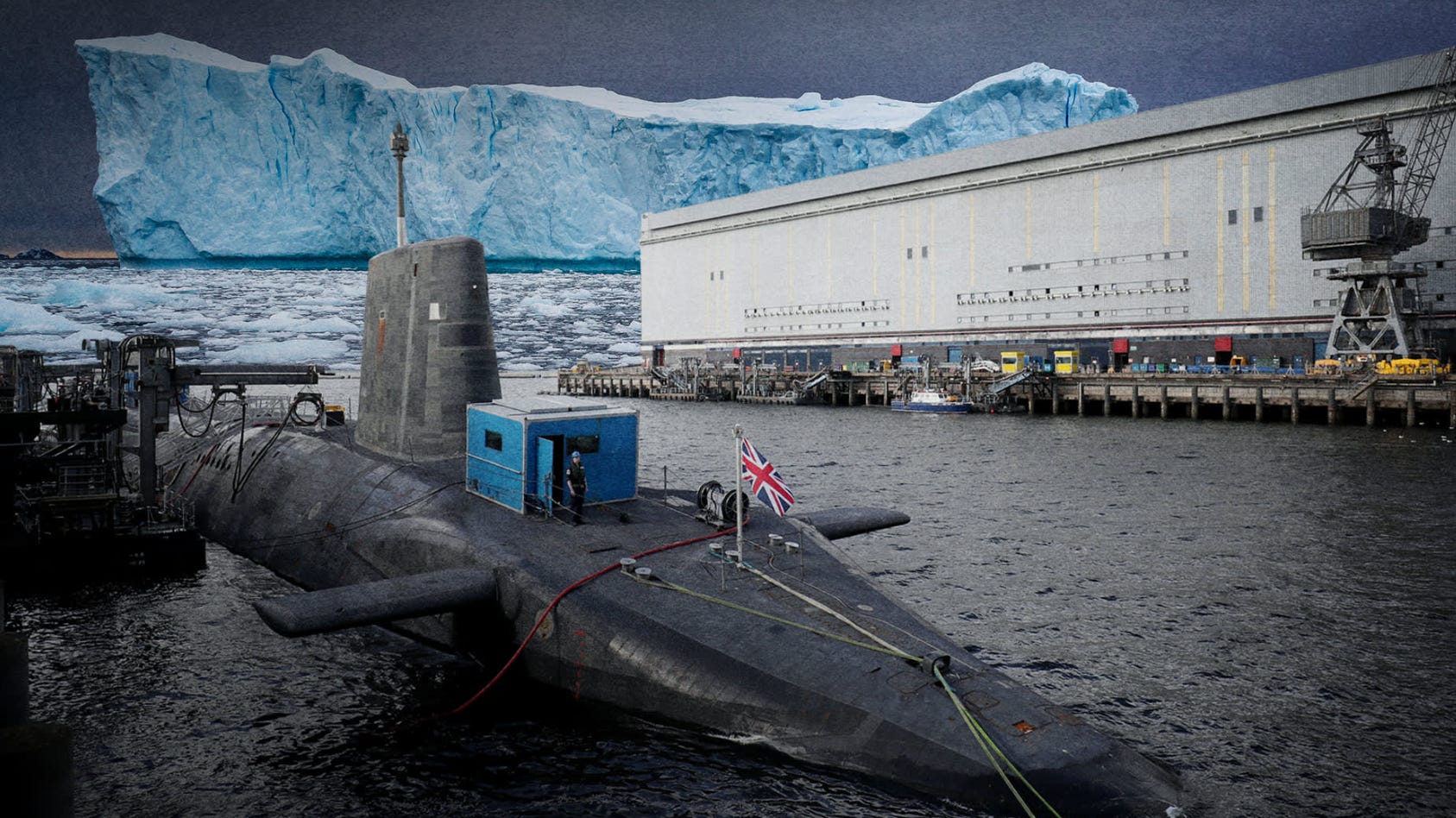
What does the future hold?
There was once an era of sea power. The tank introduced mechanized combat to the two world wars. The atomic bomb heralded the beginning of a new sky power. Subsequently, it seemed that mutually assured destruction foreclosed the possibility of great wars, limiting international conflict to conventional or irregular proxy wars.
But now things are different. There is no shortage of voices in London, Moscow, Kiev or Brussels speaking of an imminent world war. Many even agree on the dates — 2028-2030. Some would like to see it earlier. The red button beckons.
There is also a new approach towards the nuclear question. Palantir summed it up in their recent manifesto — nuclear deterrence, apparently, must be and is being replaced by artificial intelligence-powered unmanned weaponry.
Perhaps purifying destruction is necessary to move history forward. There are certainly some who think that way. One Russian military blogger recently speculated that NATO decapitation of Russia’s military and political leadership would lead to their replacement by younger and more aggressive figures.
And that might be a good thing. After all, that’s precisely what happened in Iran earlier this year. And now, Iran controls the Strait of Hormuz, whereas Russia currently doesn’t control the Baltic, or even much of the Black Sea.
We’ll take a look at the tarot cards today.
2030
To begin with, the fatal date. The western press has been throwing around this number quite a lot recently.
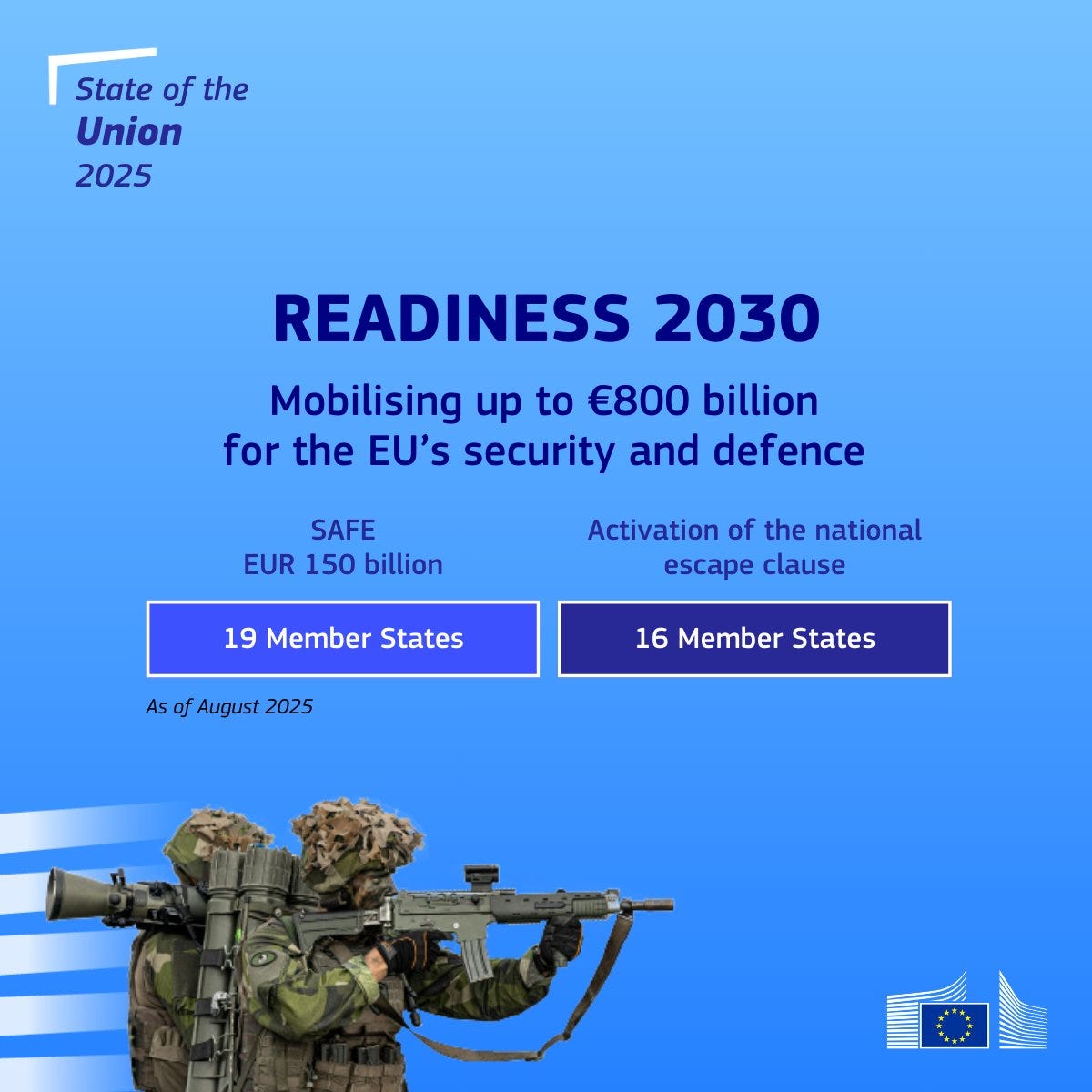
It all began in 2025. It was then that the European Union launched its ‘ReArm Europe Plan’, which involves investing 800 billion euros in the army by 2030. Germany’s military spending is set to quadruple, always a good sign. Germany’s rearmament (and that of Japan) is one of Palantir’s key demands in its manifesto for the ‘Future of the West’.
‘ReaArm Europe’ is also called the ‘Readiness 2030’ initiative. Amusingly, the ‘Readiness’ name was apparently chosen after fears that ‘ReArm’ was too militaristic. But ‘Ready’ for what?
It’s clear for what. One 2025 paper by a German think tank argued that if Europe is to be ‘fit for war with Russia’ by 2030, it will have to increase military spending by a factor of five, even more than the ‘Readiness 2030 Initiative’ involves. Ukrainian military officers also remain disappointed with the scale of European rearmament.
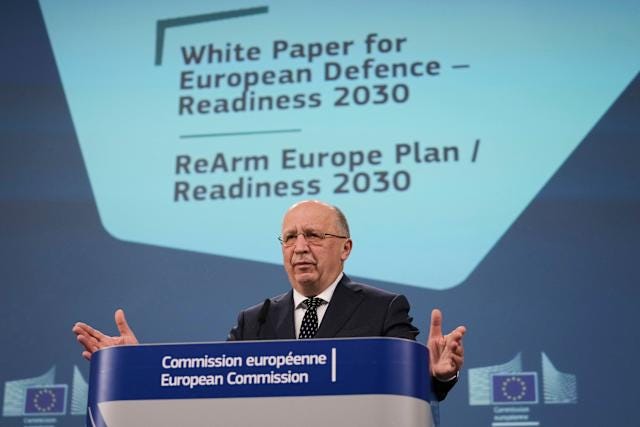
A final note about Europe’s militaristic ambitions — they might think about using some of those 800 billion euros on hiring a propaganda advisor. This is the closest to a ‘poster’ about Readiness 2030 I could find. Not particularly stirring.
Zelensky’s educated opinion
Ukraine certainly has a crucial role to play in project 2030, so to speak.
The most famous statement was that from the head of the Belgian army in mid-April 2026. General Frederik Vansina stated his expectation (or rather, hope) that the war in Ukraine would last until 2030, since it would give Europe time to properly rearm:
We still have a few years. Thanks to the courage and blood of Ukrainians, who are buying us this time. That is why we support them so strongly
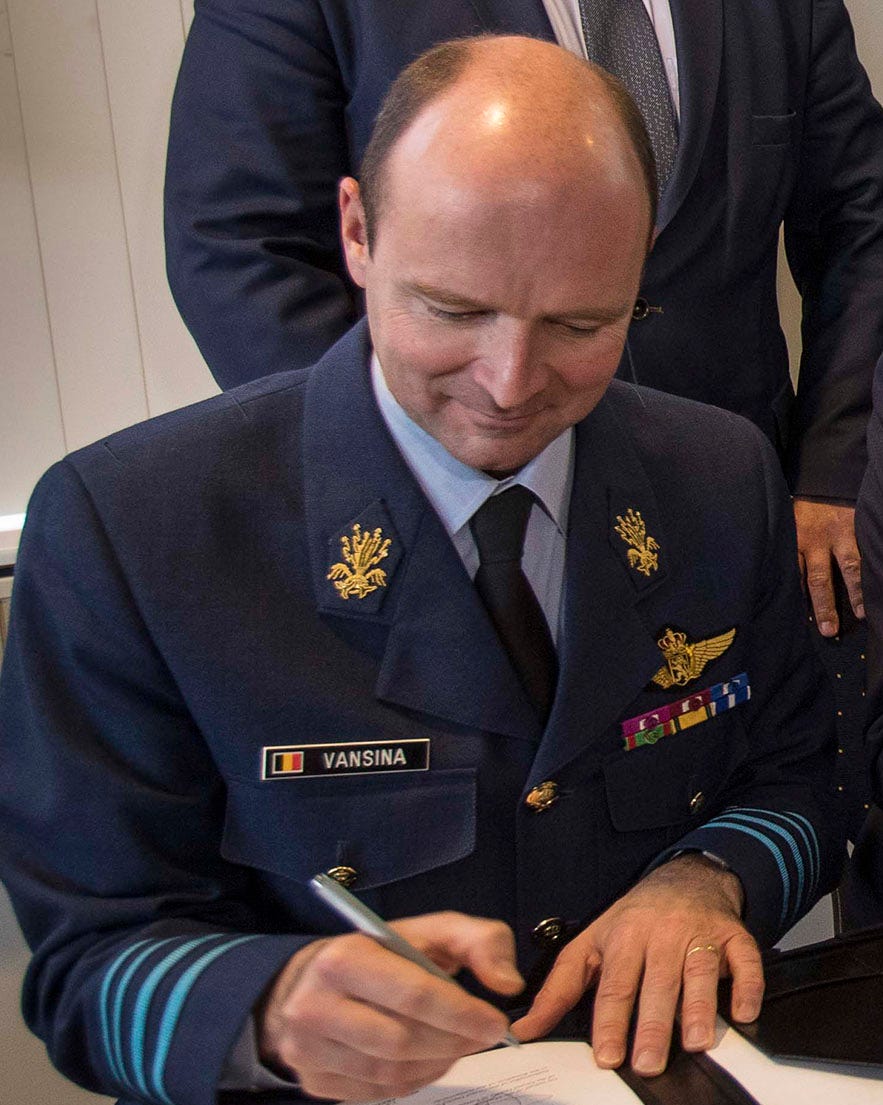
In short, the idea is that by 2030, the EU will have an overwhelming military advantage over Russia, allowing this barbaric neighbour to be finally democratized through a storm of steel.
Some other dates sometimes come out of Zelensky’s mouth, not that he’s the most consistent or reliable narrator. Earlier in 2026, Ukraine’s western-funded media claimed that Zelensky told his team that the country must continue fighting until at least 2028, at which point a friendly Democrat administration will enter the White House, and Ukraine’s men can be launched on another epic counter-offensive.
This is probably Zelensky’s plan. In April, a key figure in Zelensky’s party stated that Ukraine should keep fighting until at least 2030. It is likely that he hopes by then, the European partners can open a second front.
On May 25, Zelensky apparently came out with a different tune. After holding a meeting with his parliamentary fraction, MPs in his party stated that the president declared the war would end in November of this year. This is probably tied to the September elections in Russia. Zelensky and the Ukrainian elite generally have always been very wedded to the idea of a black swan event in Russia, a Prigozhin uprising, a new 1917, whatever. I won’t waste space in evaluating such fantasies today.
London falling
There was a particularly lurid exploration of the 2030 theme a week ago by the British Ministry of Defense. The era of airpower forced manpower underground, a process more visible than ever in the Ukraine war. But the British General Staff aren’t going subterranean out of fear of drones.
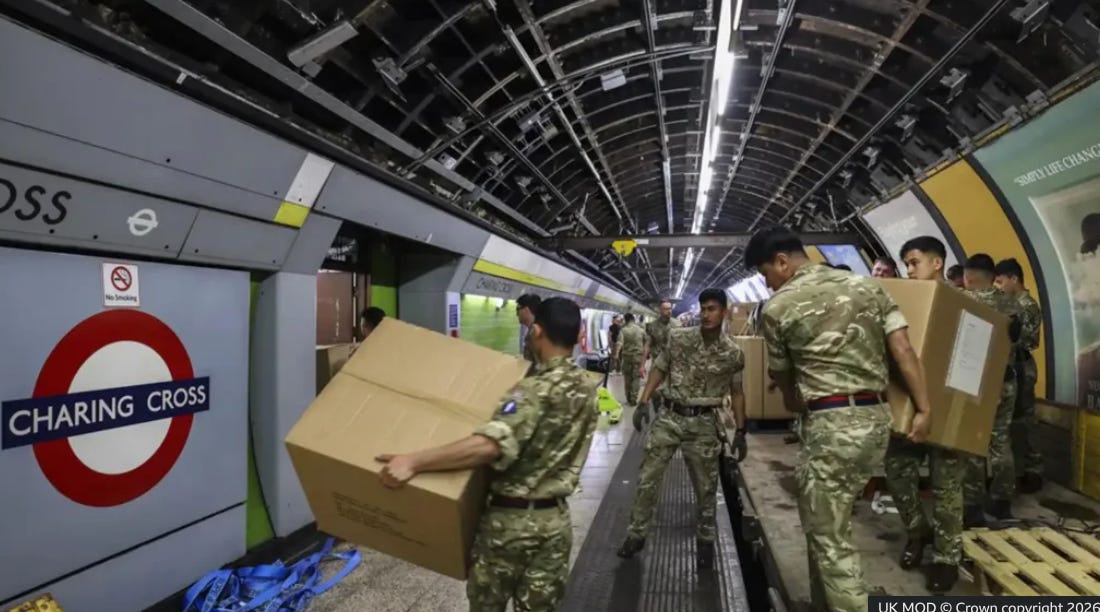
The story, it must be said, is quite titillating. One has the suspicion that the desperately divided British yearn for the comradery of 1941, sharing food while hiding from German bombs in the Underground.
Anyway, the operation took place in the abandoned platforms of Charing Cross Station in mid-May 2026. It was named ‘Arrcade Strike’. The seeming typo comes from the mastermind of the exercise — the Allied Rapid Reaction Corps (ARCC). Their function is to plan large-scale military operations. I’ll let the British Ministry of Defense speak for itself:
The exercise tested the ARRC’s ability to plan and command large-scale military operations involving around 100,000 personnel drawn from the UK and its NATO allies. From this hidden underground location, the headquarters coordinated activity not just on land, but across sea, air, space and cyberspace.
The exercise was set in a fictional scenario based in 2030, because that’s when military planners believe the threat from Russia could be at its most serious.
Quite an interesting admission in itself — it seems that London, with its transatlantic son having gone wayward, plans to lead NATO in case of a cataclysmic war with Russia. Perhaps the Russians aren’t all so paranoid to speak of perfidious Albion as the true malign force behind global events.
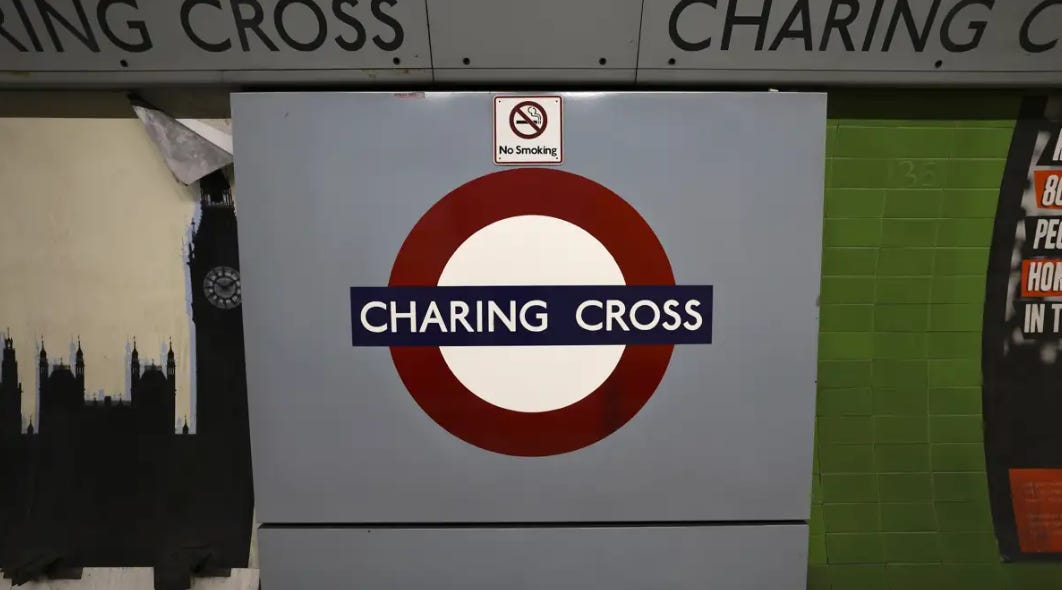
In any case, the British army has a most interesting explanation of how exactly this ‘threat from Russia’ that Arrcade Strike was preparing for would look like:
Deterrence, stopping a war before it starts, requires more than words. It requires demonstrated, credible military capability. And that’s exactly what Arrcade Strike is designed to show.
As one senior commander put it: “Arrcade Strike is not a conceptual exercise. It is a rehearsal of the plans we already have and a demonstration of our ability to fight and therefore to deter.”
Deterrence, stopping a war before it starts, requires more than words. That isn’t a response to a Russian strike. That’s a preemptive strike. A decapitation strike. Quite rational, when you think about it.
Now, it seems to me that such a strike would have to be nuclear. But the British army insists on treating readers like idiots, in typical Anglo-Saxon fashion, and claims that they were training with the use of AI-powered drones and rockets, treating it as though they would have conventional payloads (the nature of the explosives is left unclear). A nuclear attack by London would probably involve its nuclear submarines, which are not mentioned in the description of Arrcade Strike.
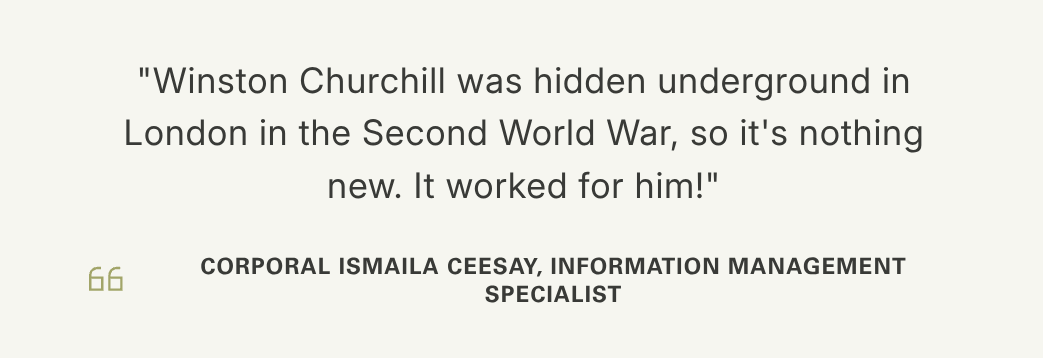
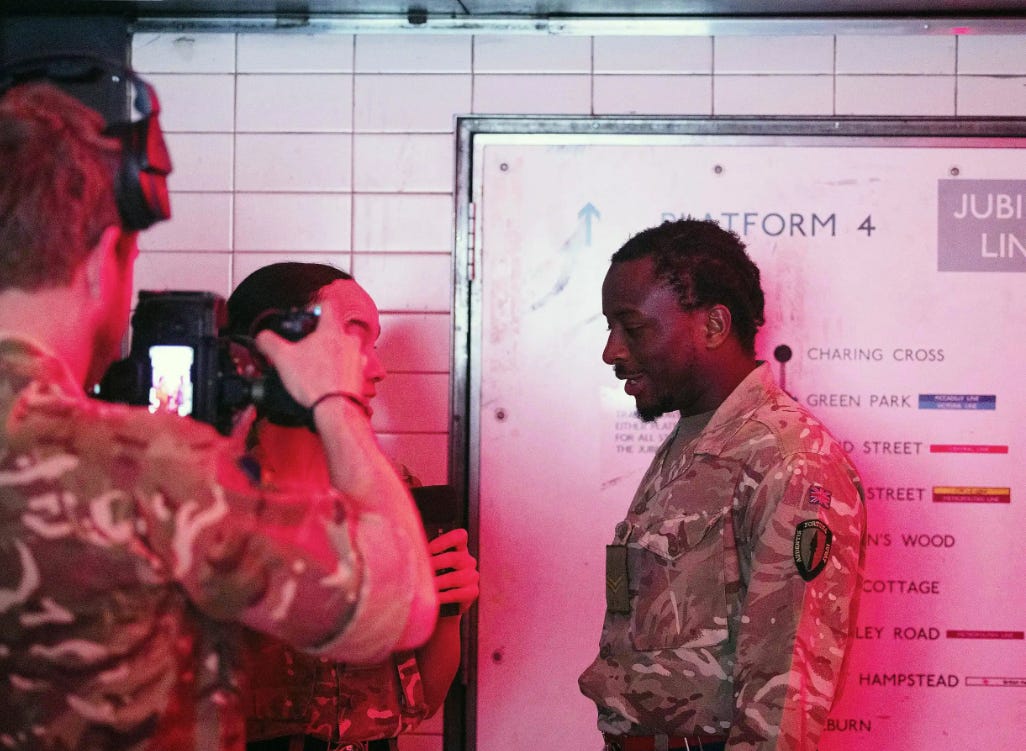
The range of the weapons provided is also notable — the exercise involved training with the use of attack drones with ranges up to 600km, and rockets with a range of 150km. If the aim is to ‘blind the enemy before they can blind us’, they would have to be launched from the the Latvian border, which is close to 500km from Moscow. The purpose of rockets with such a short range is unclear, unless the idea is to use them in the Ukraine war.
But it really doesn’t sound like the exercise was all about frolicking in the Donbass mud. The aim is ‘stopping the war before it starts’, ‘blinding the enemy before they can blind us’. And why should the British army go underground unless they fear a truly devastating response?
This can only mean destroying the decision-making centres, to use the memed-to-death Russian phrase. Surely this would mean the nuclear option, since simply throwing a few conventional explosives at Moscow will hardly blind anyone important.
In that case, of course, this wouldn’t exactly ‘stop the war’. It would simply ignite a true apocalypse. Even if the Russian military and political elite were destroyed — despite the obvious fact that they are located in much deeper and more nuclear resistant Soviet bunkers than the ramshackle London Metro — a Russian Dead Hand response would obviously follow.
The MoD ends by promising that similar exercises will continue throughout the next two years. The aim is ‘steadily building towards the goal of a fully mission-capable Strategic Reserve Corps by 2030’. ‘Strategic’ doesn’t sound much like sending a few conventional explosives towards Moscow to me.
To lighten the mood, the British MoD compared the atmosphere in Arrcade Strike to ‘Stranger Things’. Next time, I hope, they’ll compare similar operations to Euphoria, or whatever the latest goyslop is.
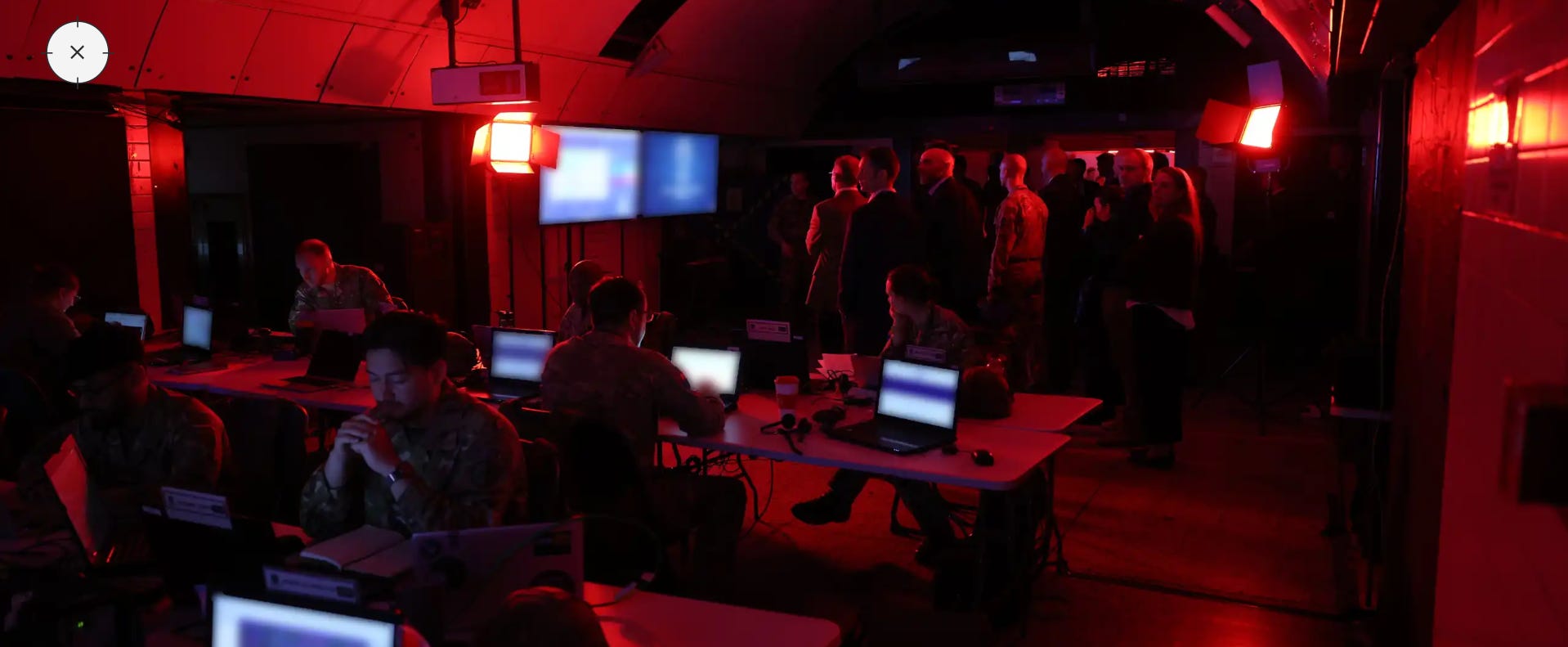
Having had our fill of the British military’s red light district, let’s move onto three often-mentioned potential sparks for a major conflict. The first two are geographical — the Baltics and Belarus. The third is more abstract — the problem that Ukraine’s increasing military dependence on the west renders airstrikes on Ukrainian cities ineffectual. Finally, we’ll take a look at how Russia’s former chief of staff thinks NATO should be disciplined. He proposes a number of intriguing non-nuclear options.
