Silicon murder valley
Drone grifters rise: Fedorov and Sternenko. Russian strategic logistics focus. Ukrainian tactical blood-fetish.

Today we’ll examine how Ukraine is strategically losing the drone war, and the draft-dodging, techbro grifters exacerbating this slow defeat.
But first, a quick look at how this plays out on the battlefields.
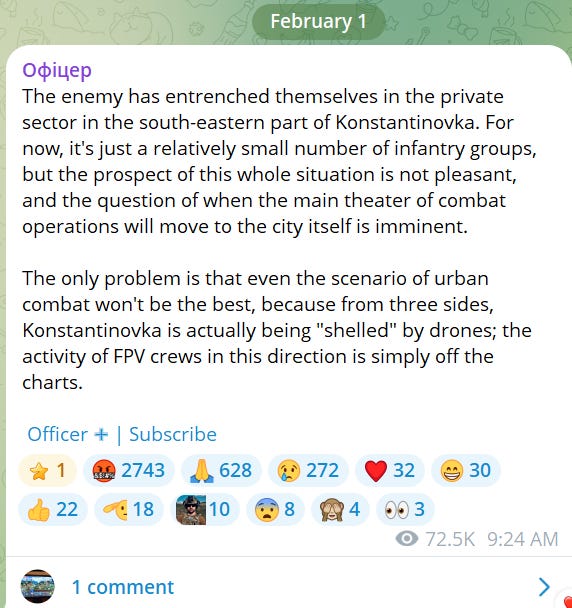
With Russian drones dominating Ukrainian logistics around the Donbass city of Konstantynivka, Russian troops now control much of the southern part of the town. This February 1 post is from ‘Alex’, a senior lieutenant in the Ukrainian army:
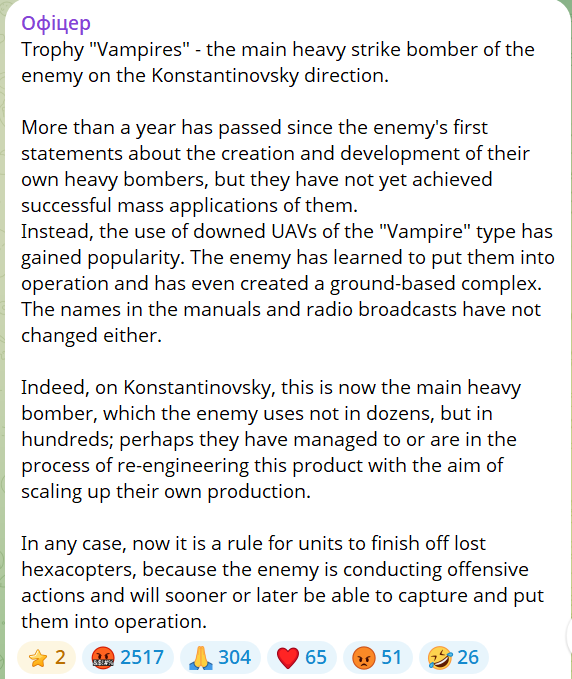
Officer also wrote on January 31 about how Russian success in scaling up the use of heavy bomber drones. These are able to carry much larger explosive charges than the usual FPV drones. Ukraine started using ‘Vampire’ bomber drones around 2023, and Russia had difficulties reaching Ukrainian production levels until recently:
What about the Ukrainians?
Today, we’ll see how different the Ukrainian approach to drone production is to the Russian one. Where the Russians modernize and scale up production of effective models, the Ukrainians have a neoliberal, PR based approach. Let a thousand drone contractors bloom! Lacking regulations and with a river of EU funds inundating the market, many drones produced are of subpar quality, and frontline coordination is lacking.
Along with the the adverse battlefield effects of Ukraine’s ‘drone zoo’, today we’ll be taking a look at the grifters in charge of this system. Though adored by the western press, actual Ukrainian soldiers aren’t so happy about their appointments.
These individuals are doing very well following the removal of Andriy Yermak as Zelensky’s chief of staff in late November 28. In the first month of 2026, a number of most prominent parasites have risen to unprecedented positions in managing the war effort. Naturally, none of these fanatically militaristic personalities have ever actually served in the army.
Instead of fighting, killing, and dying, they triumphantly post drone videos of ‘destroyed subhumans’ all day, furiously demanding their millions of followers donate more money to their ‘Russocutter drone’ foundations. Endless corruption scandals about the use of these funds ensure, but anyone who brings them up receives death threats from the hordes of online fanatics.
Today, we’ll cover two.
First, Mykhailo Fedorov, appointed minister of defense at the start of January 2026.
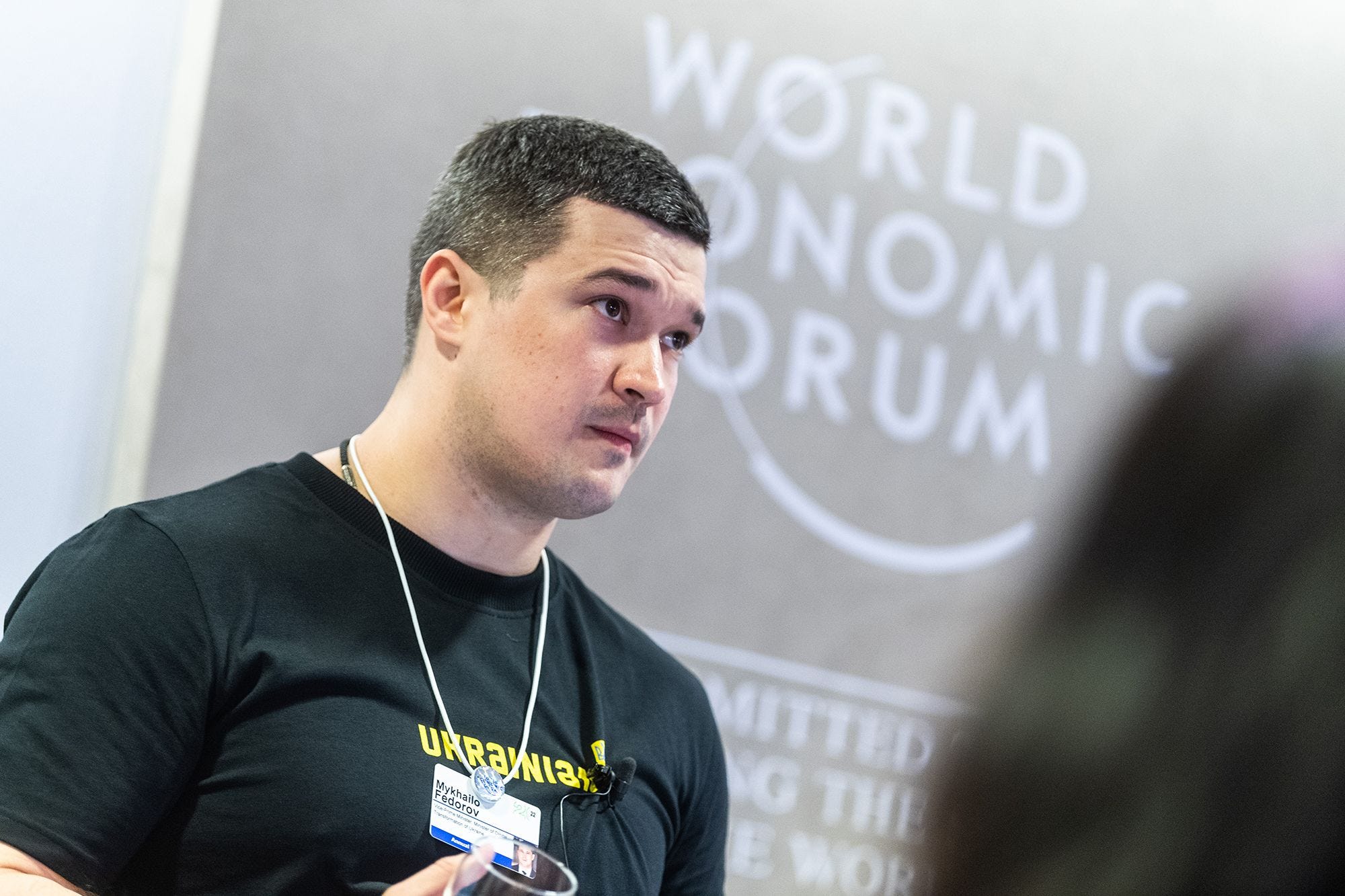
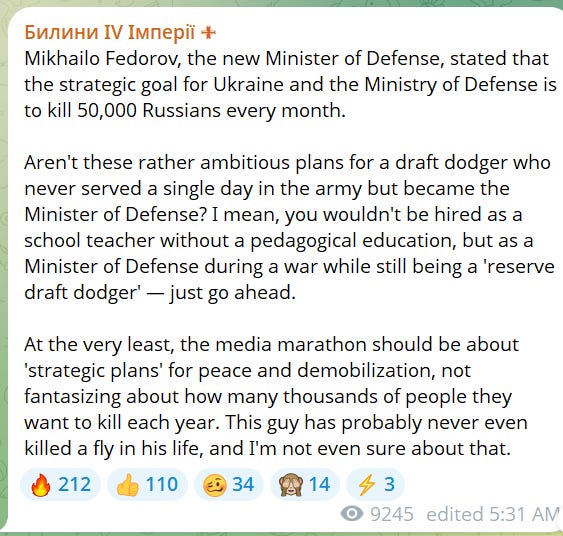
You will have likely heard his January 20 proclamation about Ukraine’s grand military strategy: to defeat Russia, 50,000 Russians must be killed monthly. He claims that currently, there is video proof of 35,000 killed each month. Along with examining Fedorov himself, today we’ll examine Ukrainian and western military analysts and soldiers that are sceptical of his strategy and his claims about existing kill rates.
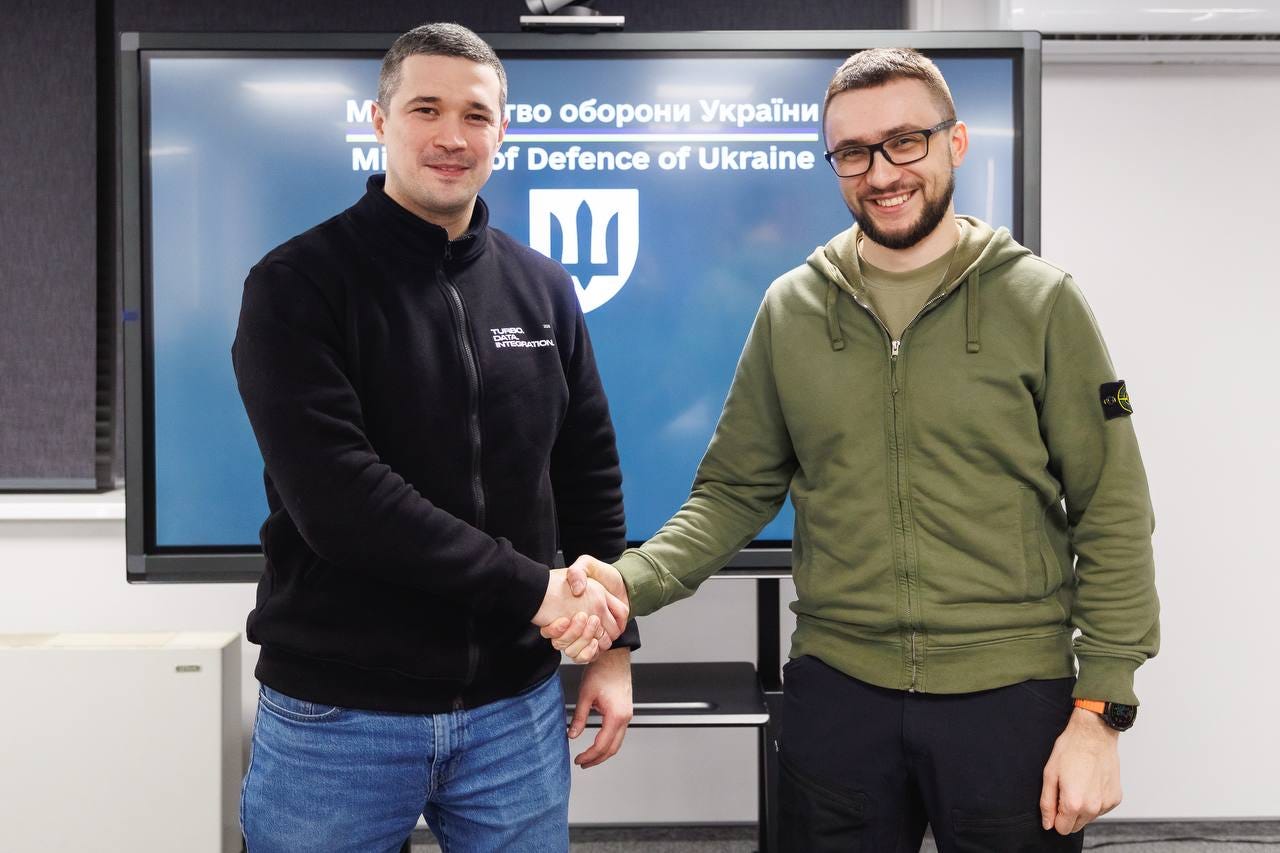
Second, Serhiy Sternenko, appointed Fedorov’s advisor on January 23. Fedorov announced that the popular youtuber with absolutely no military experience ‘will be my advisor on increasing the use of UAVs on the frontline’. Here you can see Fedorov shake hands with his new advisor (right).
I’ve written numerous articles about Sternenko. This is a drug dealer, rightwing paramilitary grifter, agent of the security services, murderer, and extortionist-torturer.
Nationalists that actually fought in the army often hate Sternenko. Take, for instance, Brigadier General Andriy Biletsky, the ‘White Fuhrer’ of the Azov movement, who today commands more than 40,000 troops in his Third Army Corps. In 2020, Biletsky said this on national TV about Sternenko:
What kind of nationalist is he? He talks about being a member of the Right Sector [a fascist paramilitary - EIU], but… All of Odessa knows that this is a person who is involved with brothels and drug dens while the rest of Right Sector fought at the front. He has a million criminal cases against him.
While he lacks military experience, Sternenko has something much more valuable: he is a nationalist youtuber with more than a million followers. He is also the favoured leader of Ukraine by the Democratic Party and the western-funded liberal NGO sector.
Sternenko often poses as Zelensky’s stern critic. Back in 2021, Sternenko organized dramatic attacks on Zelensky’s president’s office, publicly calling him a ‘dictator’ that would be forced to free the country under threat of death.
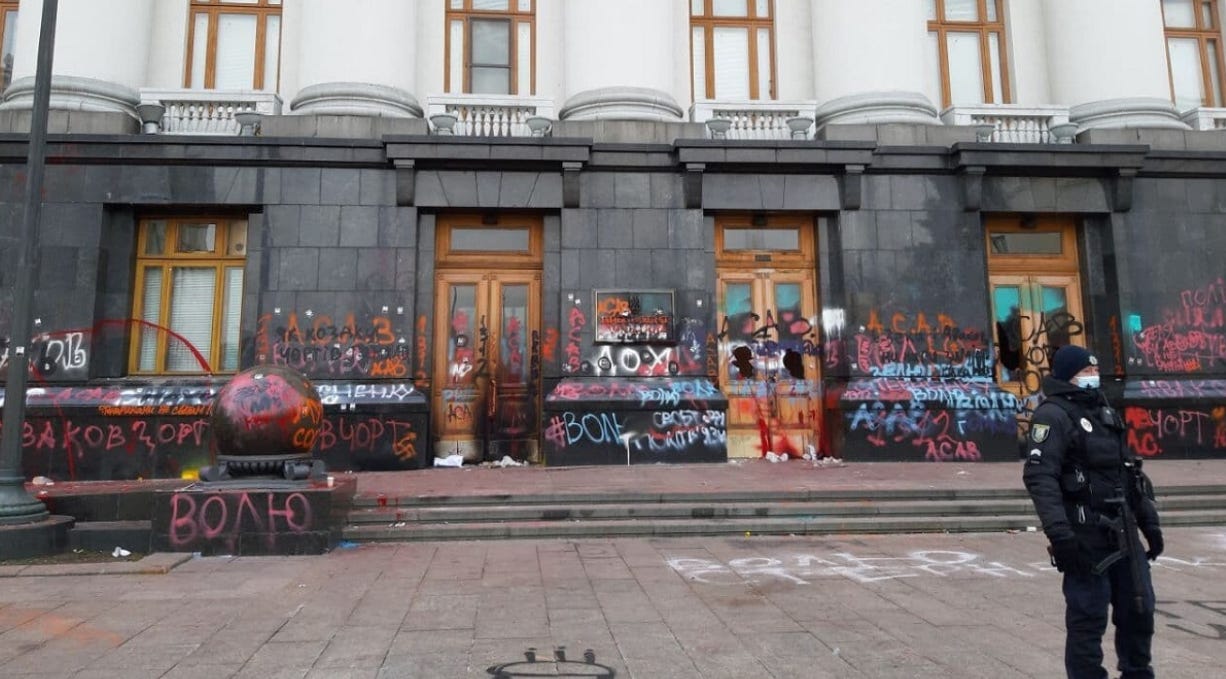
In 2020-1, Sternenko was angry with Zelensky because the young ‘activist’ was being faced with jail time as punishment for the murder of an unarmed veteran he committed in 2018. Thanks to his violent protests and the intervention of important figures in the US elite, Sternenko avoided any punishment.
Naturally, Sternenko has never served in the army. He cites an eye condition, and began wearing glasses once people started asking why this fanatic supporter of forever-war had never set foot in the armed forces. In 2025, he threatened Zelensky with death if he withdrew from the Donbass.

In wartime, Sternenko has focused on raising tens of millions of dollars for his famous ‘Ruzzocutter drone foundation’. Naturally, there have been constant allegations of misuse of these funds. But Sternenko always claimed that thanks to his selfless fundraising, the army is able to continue fighting despite government incompetence and corruption.
Yet now, Sternenko has forgotten all about his passionate opposition to Zelensky. After years of solemnly proclaiming that Ukraine faces certain defeat unless the army is ‘totally transformed’ (he never really explains how), he finally has the opportunity to put theory into practice!
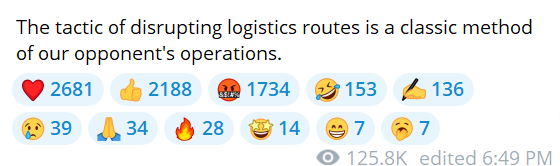
Nevertheless, despite his legion of extremely annoying online fans, many Ukrainians are quite unenthusiastic about the glorious Sternenko. For instance, Fedorov’s telegram post announcing his appointment as advisor mainly got sad reactions. Most of Fedorov’s posts get uniformly positive reactions.

Later in this article, we will examine a number of other critical reactions to Sternenko’s appointment by Ukrainian soldiers and military experts. But first, Sternenko’s boss.
Fedorov
Mikhailo Fedorov has been crafted into the great white hope of the neoliberal reformers, who love to underline that he is Ukraine’s youngest minister in history. The western press never stop glazing him. Elon Musk back before he alienated half of reddit.
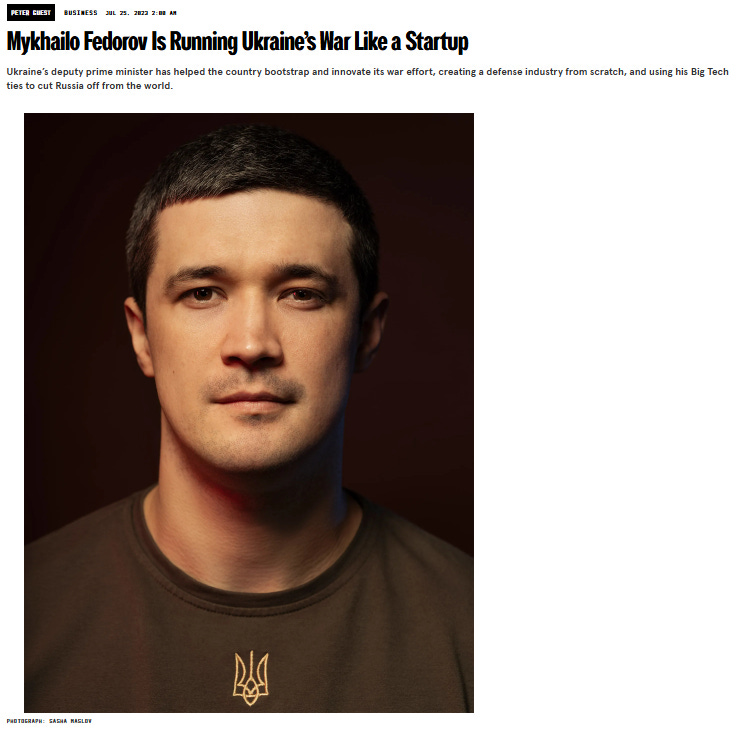
According to western-owned liberal nationalist media in Ukraine, Fedorov played a major role in removing Andriy Yermak as chief of staff in November 2025. Yermak, though politically entirely aligned with the liberal nationalists, preferred to centralize all rent sources under his network. Fedorov’s rise is an indication that atlanticist ultranationalist forces have no need to worry that Zelensky is falling out of their control.
Fedorov seems to have been groomed by euro-atlantic structures since childhood. Born in 1991, he completed the Higher Political School and the Educational School of NATO Representatives in Ukraine. He also received a scholarship from the OSCE to monitor ecological health in his city.

In 2012, he was elected ‘student mayor of Zaporizhzhie’. With the benevolent assistance of USAID, the young Fedorov implemented a new program called ‘Strengthening Zaporizhzhie’s IT Potential’. He also created what liberal media called the city’s largest student movement. In retrospect, it had an unfortunate name: ‘Aktiv-Z’.
For whatever reason, the future minister of defense is purely experienced in the field of online marketing. Of course, this characterizes all of Zelensky’s team.
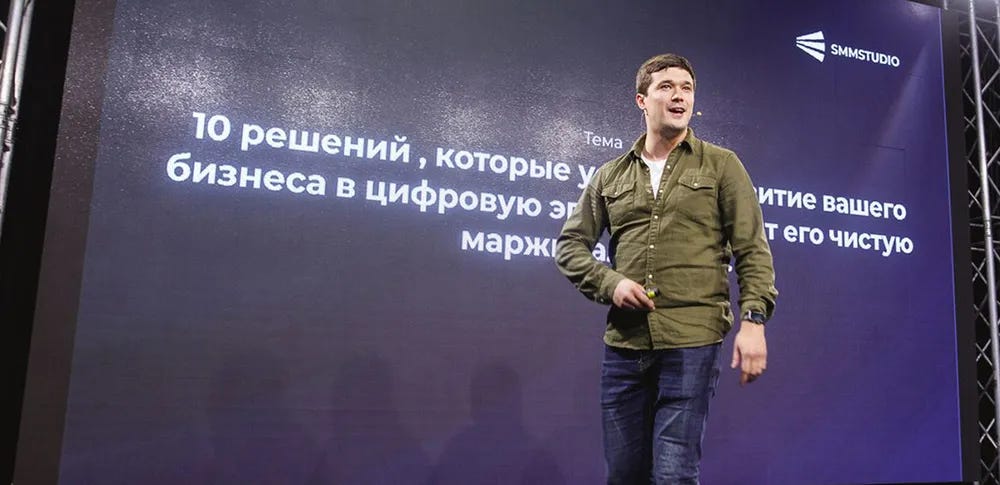
In May 2013, Fedorov founded his own digital agency, called SMMSTUDIO. Given the lack of real jobs, SMM (Social Media Marketing) is a very popular option for young Ukrainians. He worked here all the way up to 2019, when he got to work organizing the online marketing aspect of Zelensky’s election campaign. In 2018, his SMMSTUDIO organized a large conference in Kiev on the topic of marketing using facebook. As you can see in the photo below, it was conducted in Russian.
Fedorov was responsible for marketing Zelensky to the electorate in 2019. For his titanic efforts, he received a whole seven awards at the annual European Association of Political Consultants Polaris Awards. A Don Draper of our time. Among the awards was ‘Best Use of Negative or Contrast’ and ‘Best Use of Humor’.
Fedorov was awarded handsomely politically as well, becoming immediately appointed vice prime minister and minister of digital transformation in Zelensky’s ultraliberal first cabinet. Though the prime minister Oleksiy Honcharuk soon left the stage, Fedorov remained, and continued gaining flashy new ministerial posts.
Naturally, the start of the war saw Fedorov gain new heights. In 2022, he attended the Digital Transformation Strategy training course at the Yale School of Management. The USAID lab-rat needed some new tweaks. Fedorov’s much-feted mandatory government app Diiya became increasingly integrated with mobilization. And in early January 2026, Zelensky appointed Fedorov minister of defence, to the jubilation of starry-eyed liberal reformers the world over.
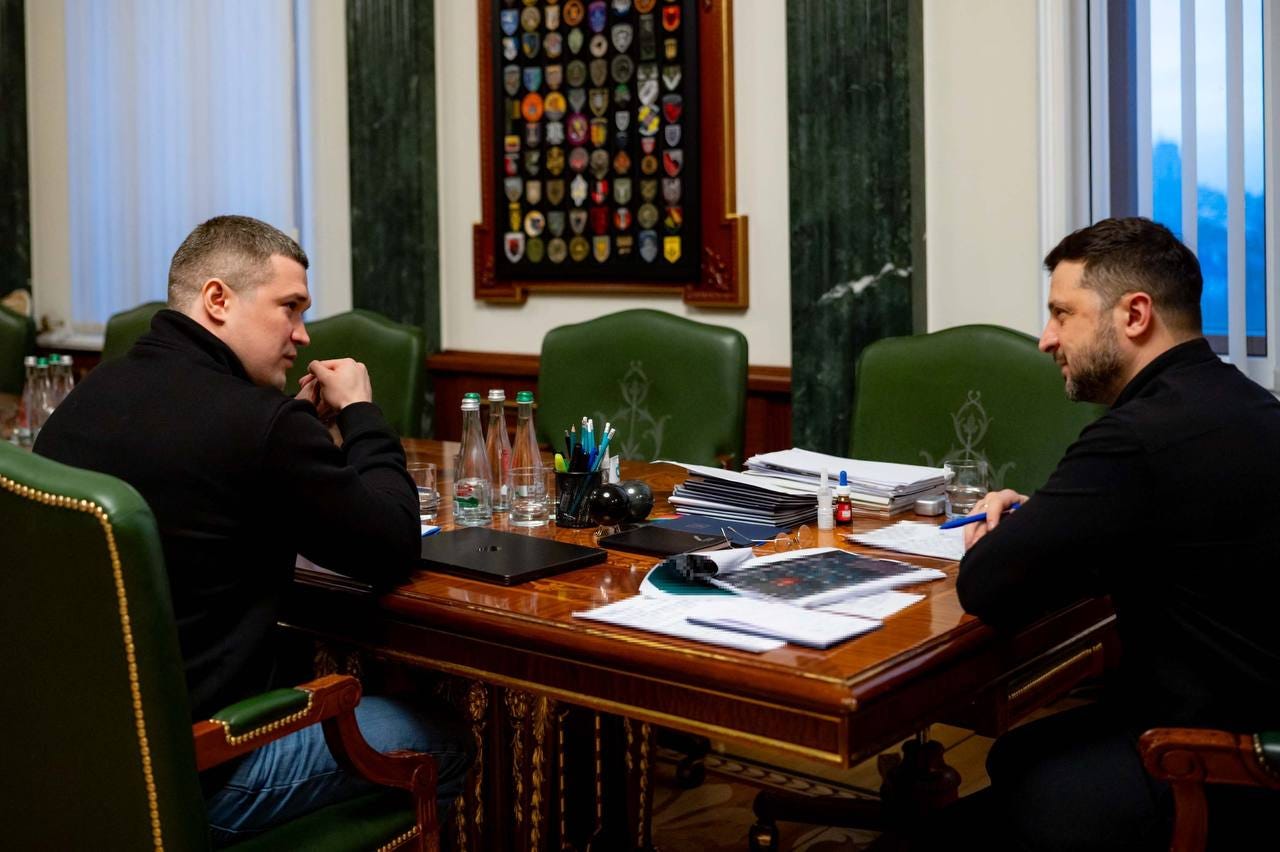
Fedorov has been credited for a seemingly endless list of reforms in wartime. They tend to involve tech, marketing, and free markets. Though they always get a good reception in the western press, their actual effectiveness is another question.
For instance, Fedorov was behind the system of ‘E-points’, whereby different ‘points’ are assigned for various types of drone strikes. Drone operators can use these points to receive discounted drones, hence theoretically incentivizing operator effectivity.
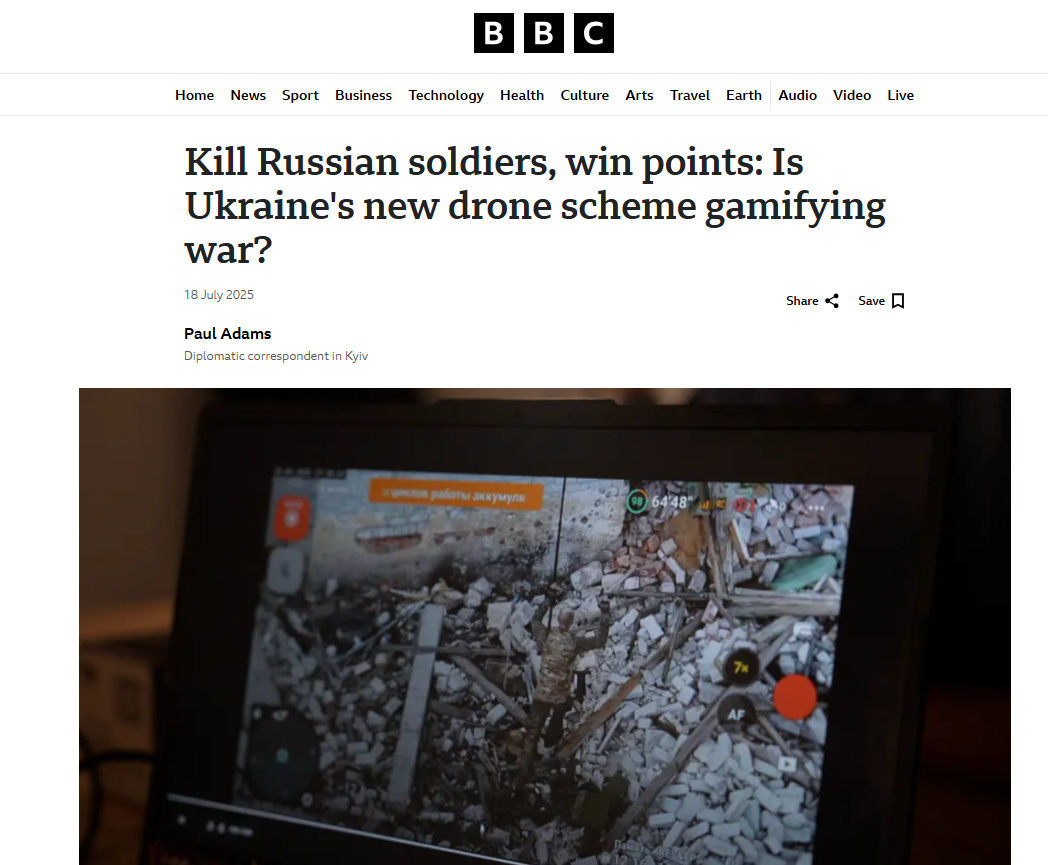
In fact, as we’ll see today, many complain that the E-point system has the wrong set of incentives, encouraging a purely tactical obsession with killing infantry, rather than the strategic approach of destroying enemy logistics that Russia successively employs. For Fedorov the PR-man, it’s flashy death-porn that matters, not actually winning the war. E-points also allows for exciting pronouncements, like Fedorov’s statement that it is ‘like Amazon for the military’.
Fedorov was also in charge of other exciting projects, like the ‘Army of Drones’, the Line of Drones, and the Unmanned Systems Forces (SBS). Intended to compete with Russia’s centralized Rubican drone team, they have instead exacerbated the chaos and disorganization characterizing the Ukrainian army.
In fact, Ukrainian drone operators never stop saying in interviews that Ukraine ought to emulate Russia’s approach of scaling up production of successful drone models. The Russians, instead of fetishizing private initiative and creativity, focus on constantly improving the 2-3 models of drones that have proven themselves on the battlefield.
Instead, Ukrainian drone operators complain, Ukraine has a ‘zoo of drones’ — a huge array of private contractors that produce a vast range of different drones. Some are effective, many aren’t. This problem is something that Pentagon analysts complain about as well.
Fedorov wants to continue this less than glorious tradition. That’s because his main priority is constructing the media image of Ukraine as the world’s greatest military startup platform. Fedorov has accelerated deregulation in the drone market in wartime, with the Army of Drones website constantly boasting about their successes in this field. This has the effect of adding yet new creatures to the Ukrainian drone zoo:
Deregulation has already proven its effectiveness on the example of ammunition for UAVs: in 6 months, 20 new manufacturers have appeared, more than 20 ammunition has been approved for operation, and more than 30 are already undergoing testing. (February 2024)
With such deregulation, no wonder Ukrainian drone operators constantly complain about the abysmal quality of the drones they receive from the ministry of defence. This has proven particularly crucial in the realm of fibre optic drone, a type of UAV that the Russians pioneered in 2024, and which Ukrainian producers still lag far behind.
This late October 2025 post is from ‘Alex’, a senior lieutenant in the Ukrainian army. When he says ‘the idiots’, this is an incorrect automatic translation of ‘the faggots’, a term for the Russian army:
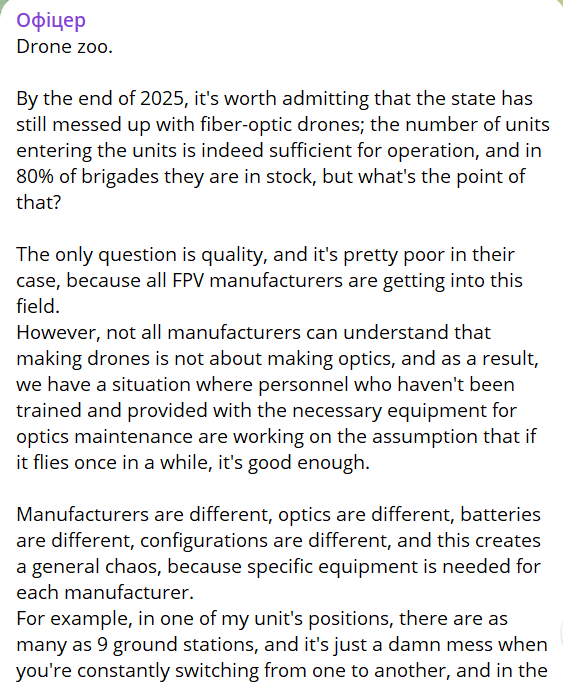
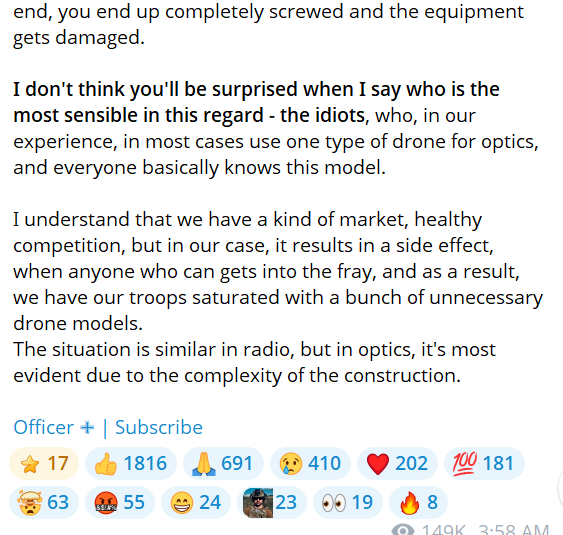
Instead of actually producing large amounts of quality weapons, Fedorov’s passion is proclaiming Ukraine’s status as a testing ground for NATO weapons. A Silicon Valley with industrial levels of un-simulated killing.
For instance, In July 2025, Fedorov’s defence technology incubator Brave1 announced a 'Test in Ukraine programme’, allowing NATO countries to test their new military technologies in Ukraine. Doubtless Fedorov’s social media marketing skills will put European funds to good work:
Last week, the incubator announced the BraveTechEU partnership, which will see up to €100 million split between Brave1, the European Defence Fund (EDF), and the EU Defence Innovation Scheme (EUDIS) to build new technologies by funding defence hackathons, investor matchmaking and research.
Fedorov also created the ‘Test in Ukraine Platform’, allowing foreign companies to test their technologies in Ukraine maximally close to the frontlines. Ukraine launched BraveTech EU along with its European partners, bringing together startups, governments, the military, investors, and engineers. Fedorov was also behind the Ministry of Digital Transformation’s ‘Ukrainian Startup Fund’, responsible for funding hundreds of projects.
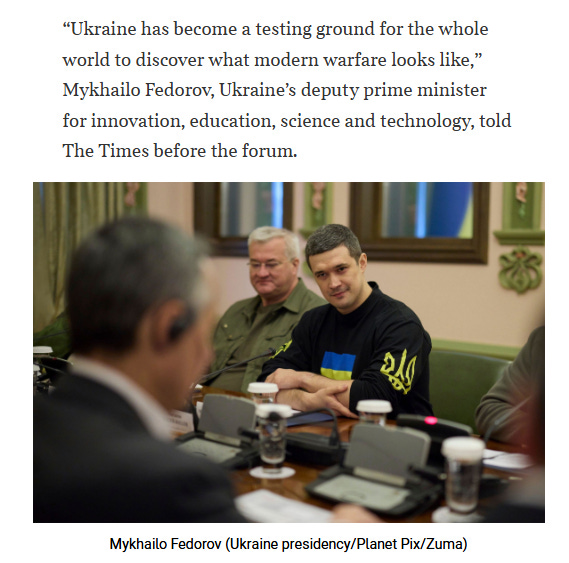
The western press is delighted. A November 2025 article from the Times revelled in the dehumanization of war.
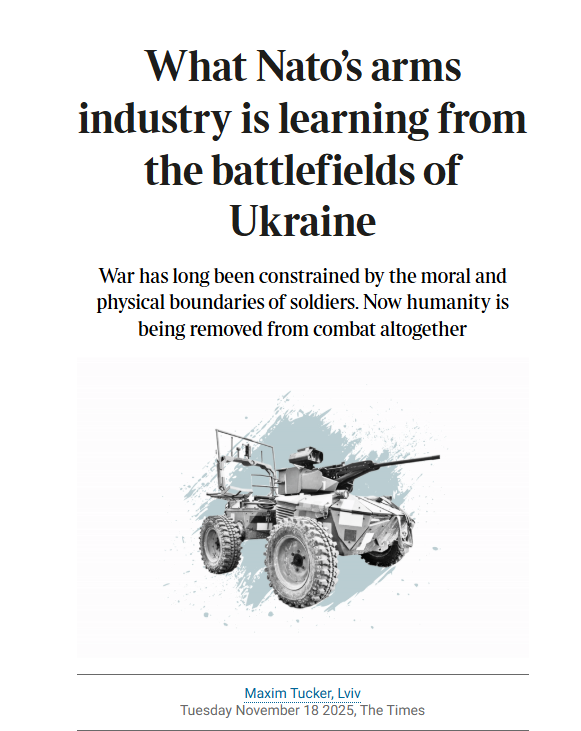
At the military tech conference the article concerns, Fedorov made another of his usual statements that Ukraine has fulfilled its glorious destiny of becoming a testing ground for NATO weapons.
Fedorov certainly fancies himself the master marketer. His programs have delectable names like the ‘NEXT combat unit’, the Ministry of Digital Transformation’s military unit, tasked with testing new technology at the frontline. When launched in mid-2025, much fuss was made about the fact that this makes it the first ministry on earth to have its own combat unit.
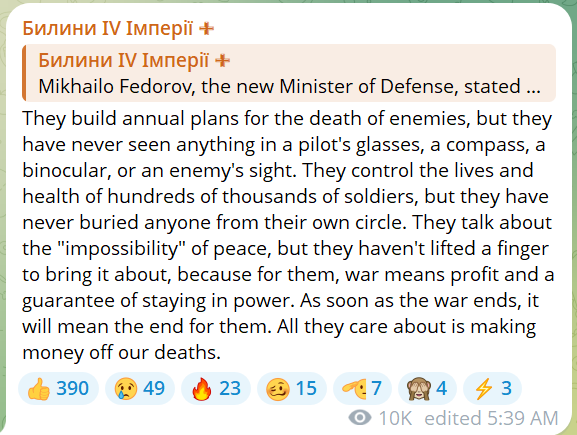
Those in the army are not always so enthusiastic. Lieutenant of the Azov brigade ‘Akula’, who runs the Tales of the IV Reich telegram channel, was highly critical of Fedorov’s dramatic proclamations in a late January post:
Drone debates
Before we end with Sternenko griftery, a discussion of the actual problems facing Ukraine’s drone warfare. Ukrainian drone analysts have long been drawing attention to the superior strategic approach of the enemy. Russia’s famous Rubican drone team focuses on crippling Ukrainian logistics, allowing Russian forces to take more territory.
Transport vehicles, fuel supplies, drone operators, and critical roads are hit far behind the frontlines, making Ukraine’s continued control over territory untenable and forcing retreats. For instance, Fedorov’s new advisor Serhiy Bezkrestnov reported on January 29 of Russian drone strikes on military supply vehicles 50 kilometers from the frontline. Being targeted is one of two remaining highways in the Donbass:
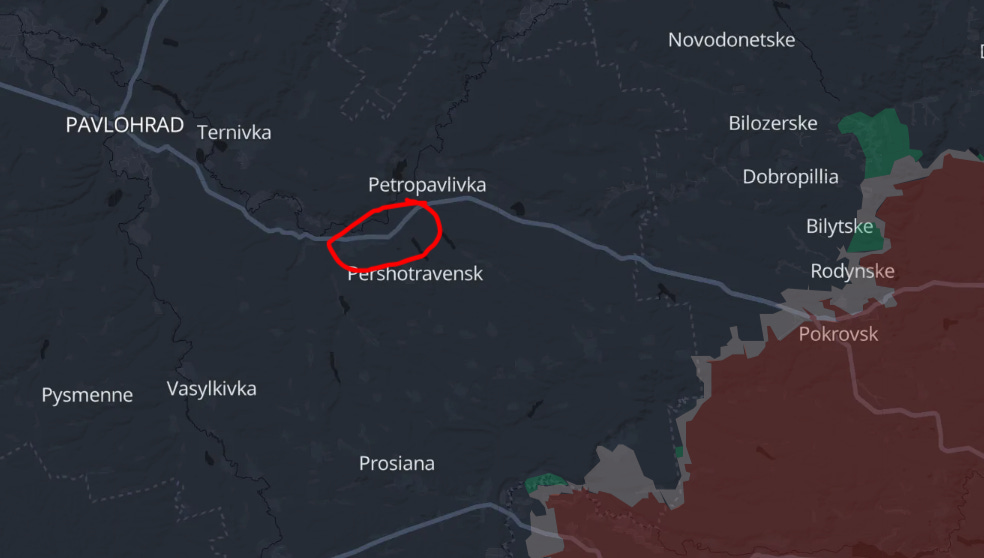
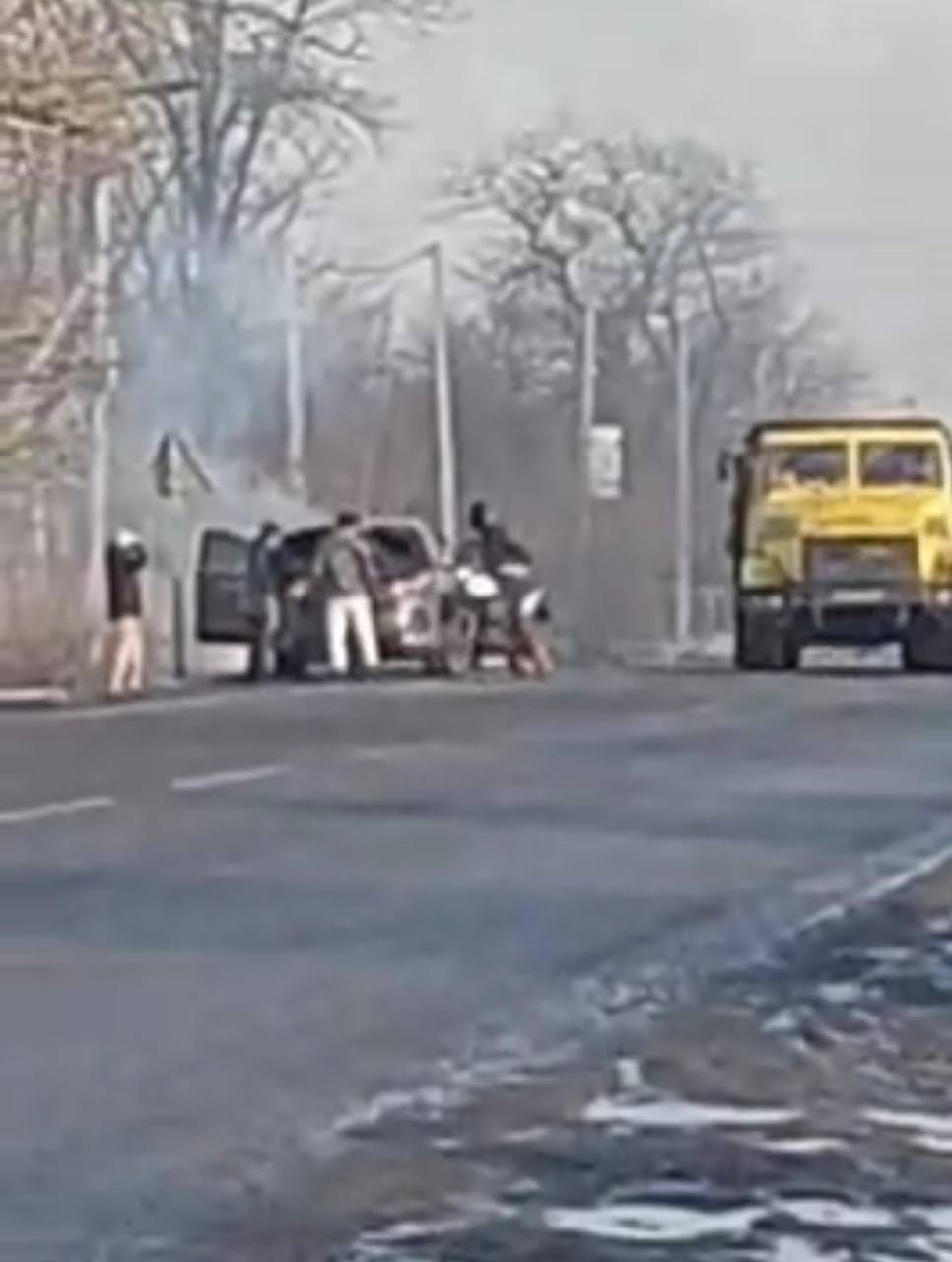
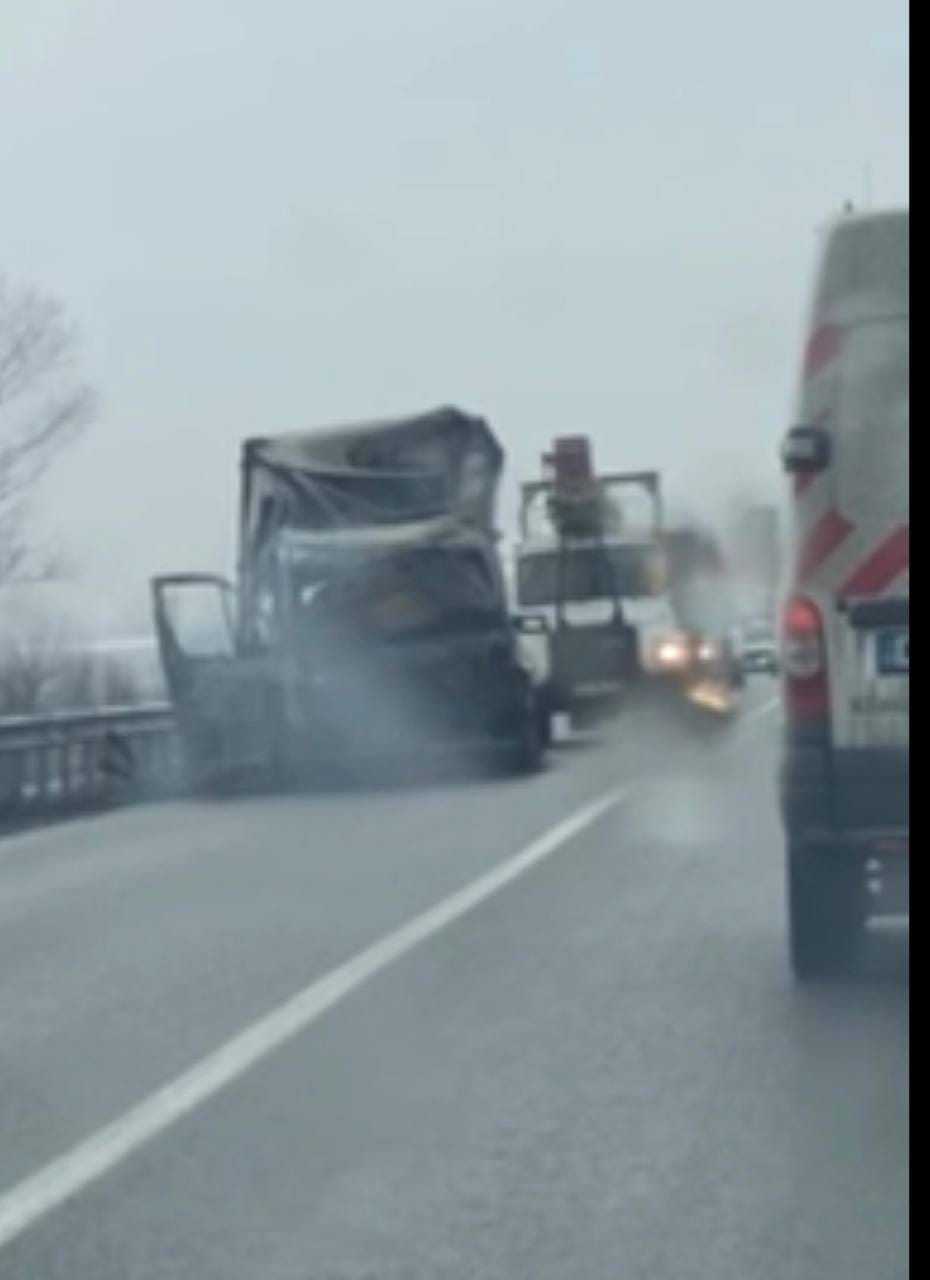
On January 30, Bezkrestnov shared videos of new drone strikes on that crucial highway. Apparently, there were ‘dozens’ of strikes in just one day.
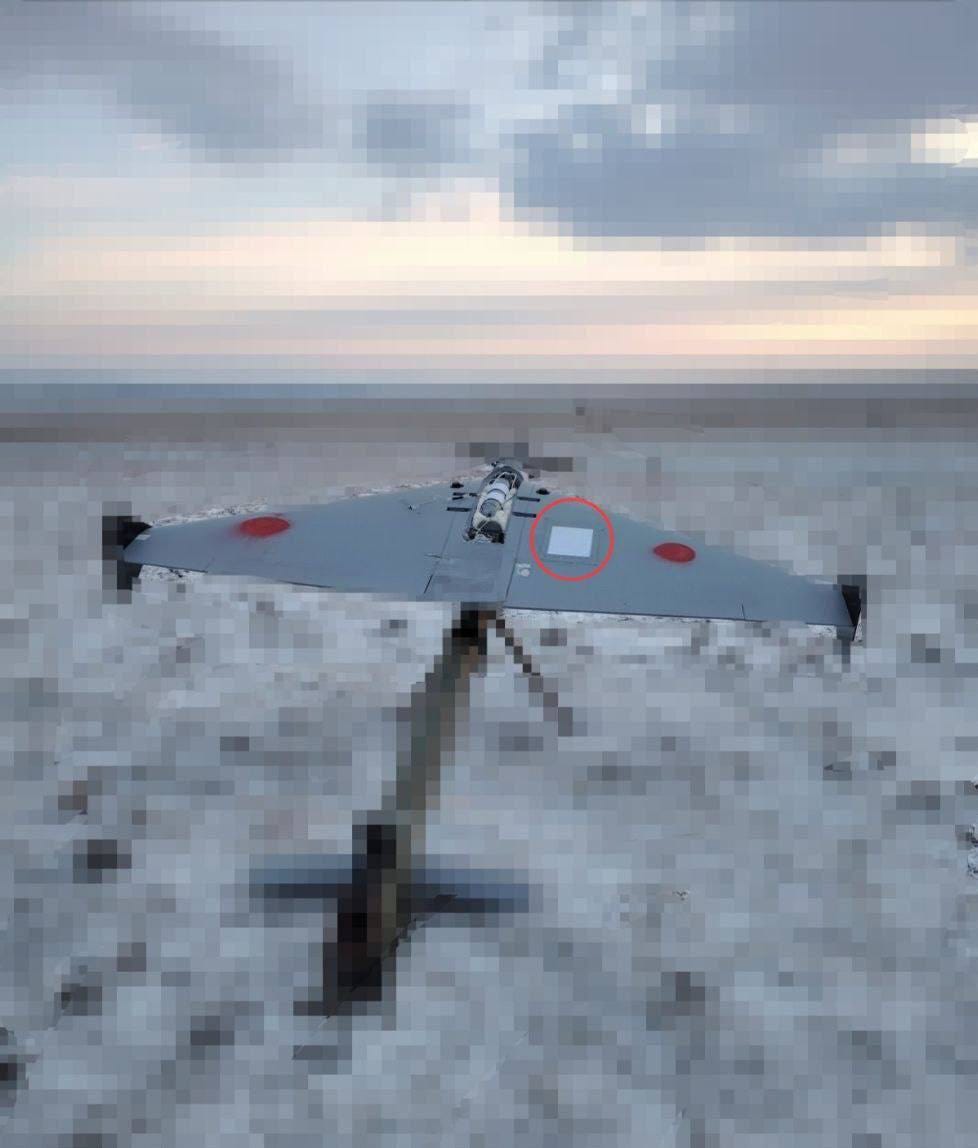
Increasingly, the Russians are using drones equipped with Starlink, allowing them to evade Ukrainian electronic warfare countermeasures. Bezkrestnov posted a photo of how that looks on January 31:
Instead of Russia’s focus on logistics, Ukraine’s drone strategy is typically PR-focused: killing individual Russian infantrymen in order to post gloating murder-porn to twitter, often focusing on the ‘orkish’ physiognomy of those killed. You can see daily examples of this murderporn from the telegram channels of Sternenko or Robert Brovdi (‘Madyar’), head of Fedorov’s Unmanned Systems Forces. As usual, the following post ends by calling on followers to donate to Sternenko’s ‘Ruzzoriz’ (‘Russian Cutter’) fundraiser.
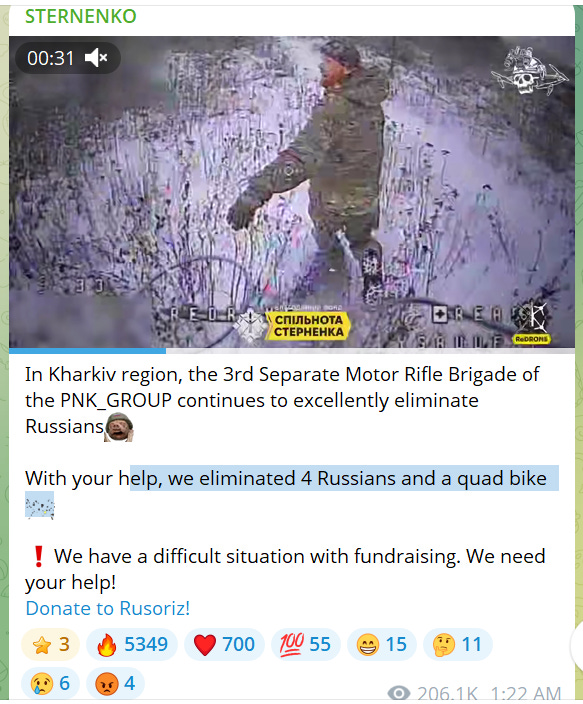
Though this may warm the hearts of Sternenko and his followers, focusing valuable weaponry on such targets is unlikely to win the war.
Ryan O’Leary is a prominent American navy seal who was fighting in Ukraine for several years following 2022. He left the army last year out of frustration at the corruption and incompetence of the Ukrainian army. I covered his criticism of the meaningless suicide attacks so beloved by high command here. And on January 20 2026, he published a long intervention into Ukraine’s ongoing strategic defeat in drone warfare.
