Spook dictators rising
Biletsky, Budanov, Poklad.

Today we’ll be focusing on three figures in Ukraine’s intelligence agencies and ultranationalist paramilitaries (the two categories overlap). All aspire to ruling the country under an iron fist, and seem to be doing well in this mission.
Our three characters are Kyrylo Budanov, Oleksandr Poklad, and Andriy Biletsky.
Budanov headed the Main Intelligence Directorate (GUR) from 2020 to 2026. He was known for his closeness to the CIA, his opposition to Zelensky’s chief of staff Andriy Yermak, and his idolization by the scores of ultranationalist paramilitaries under his control, who pen rap extolling him and Doctor Mengele. In early January 2026, Zelensky removed Budanov from the GUR and put him in charge of the presidential administration — Yermak’s old position, until his late November 2025 resignation.
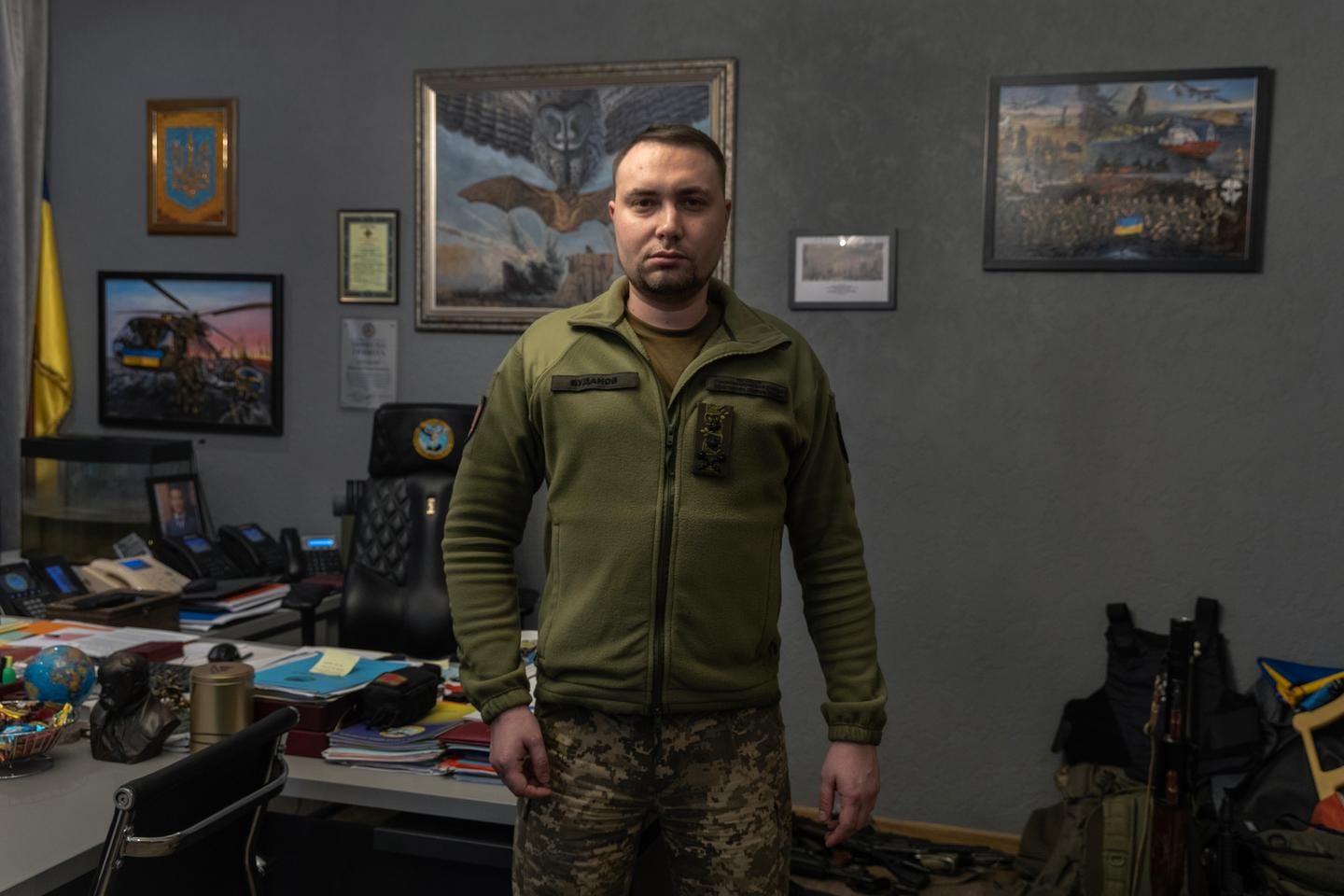
We’ll see how Zelensky has been trying to manage Budanov’s rise, as well as more revelations on how the ongoing Budanov-Yermak conflict plays out in the split between warmongers and peaceniks in Zelensky’s negotiation team.
Second, Poklad. He also has a nickname — ‘the strangler’. This comes from his storied career in provincial organised crime and well-known predilection for strangling victims. Poklad has enjoyed a meteoric career in Ukraine’s Security Services (SBU) since his 2015 appointment to lead the Service’s assassination’s squad. Poklad has long been known as Budanov’s great enemy and Yermak’s close ally.
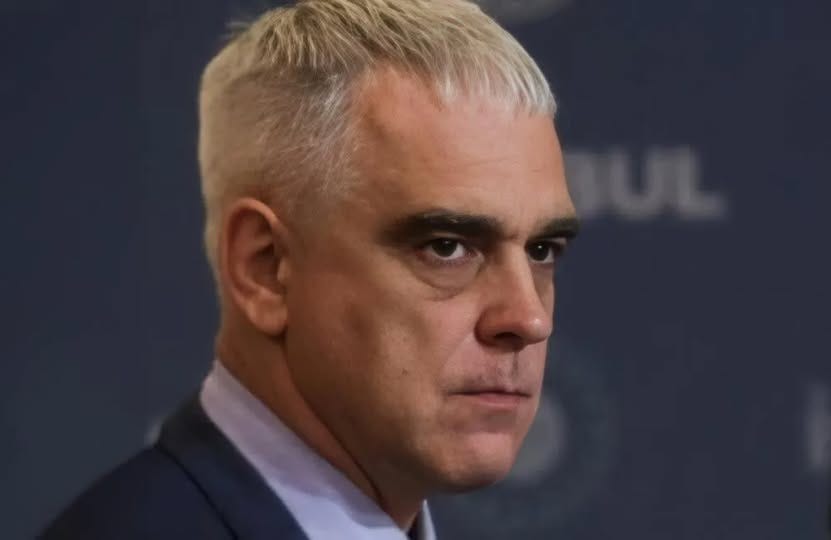
We’ll explore how Poklad has taken control of the SBU since his early January 2026 appointment as first deputy head. Naturally, the old head Vasily Malyuk has been thoroughly sidelined, and the new formal head Evgeny Khmara seems to be somewhat less important than Poklad.
Finally, Biletsky, who has called himself ‘the White Fuhrer’ over the past two decades. This comes from his position as the leader of Ukraine’s white nationalist scene, which began in the world of football ultras and has now graduated to the army. Today, Biletsky is the leader of the Azov family, commander of the Third Corps, brigader general despite lacking formal military training.
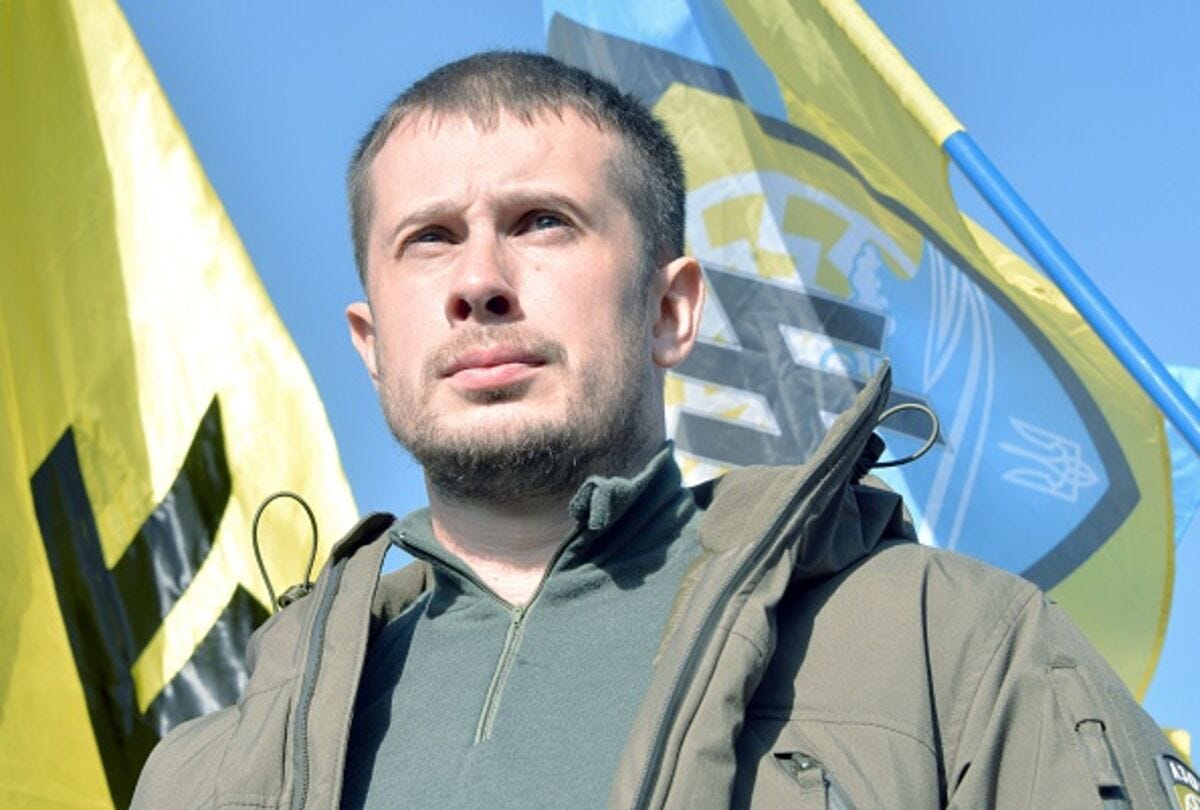
We’ll be examining Biletsky’s strategy for gaining power without elections, which seems to be working quite well for him. We’ll also look at purges inside the Third under Biletsky’s command, and his plans for expanding this practice to the entire army.
Sources
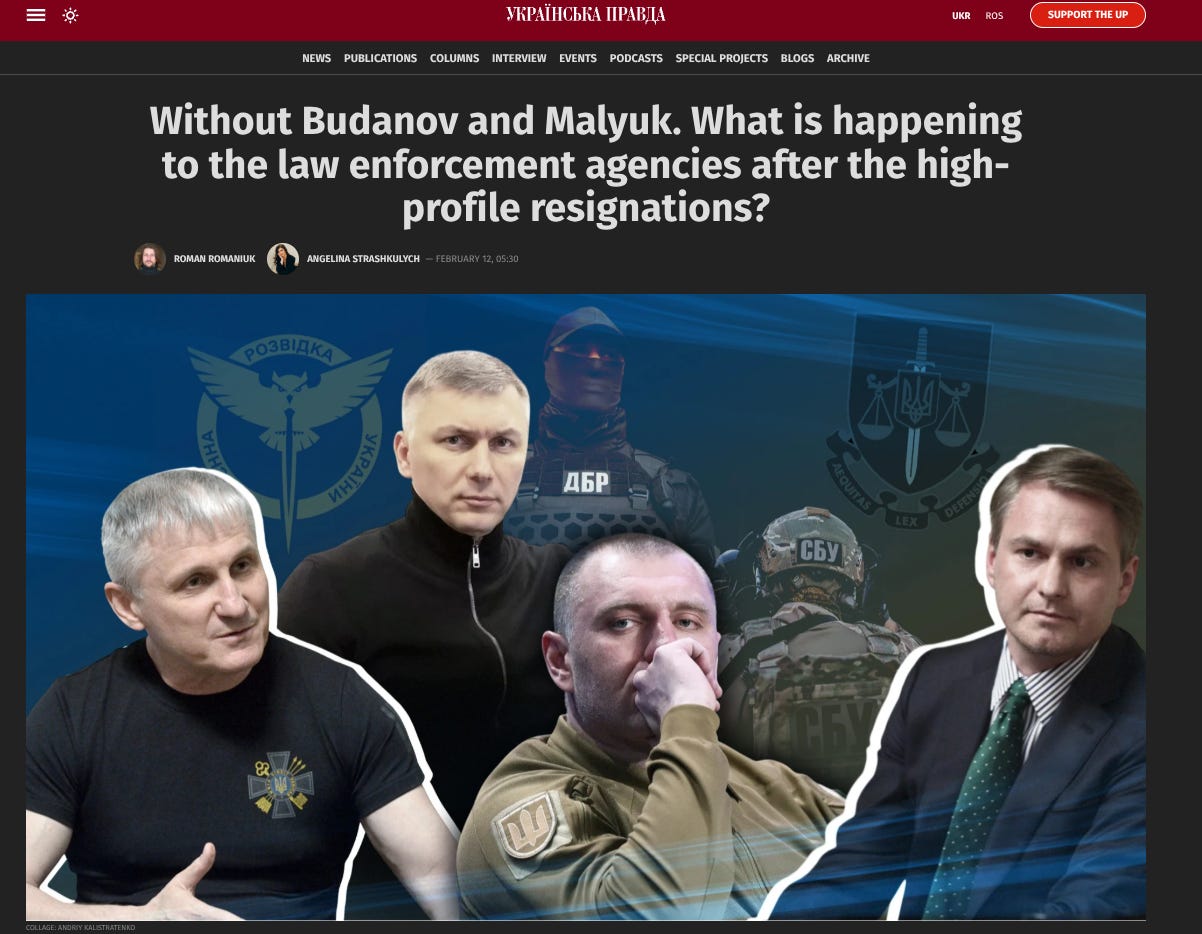
Our first source is a February 12 article by the western-owned publication Ukrainska Pravda. It looks at how Zelensky has been trying to reconsolidate control over the various intelligence agencies after the attack on Zelensky’s inner circle in November 2025 by the western-funded anti-corruption organs.
It was due to this corruption scandal that Zelensky’s beloved Yermak had to resign. Ukrainska Pravda has written extensively on how Zelensky removed Vasil Malyuk from leadership of the SBU in 2026 due to his unwillingness to sufficiently repress the anti-corruption organs in 2025. Now it is the ruthless and devoted Poklad who seems to pull the strings.
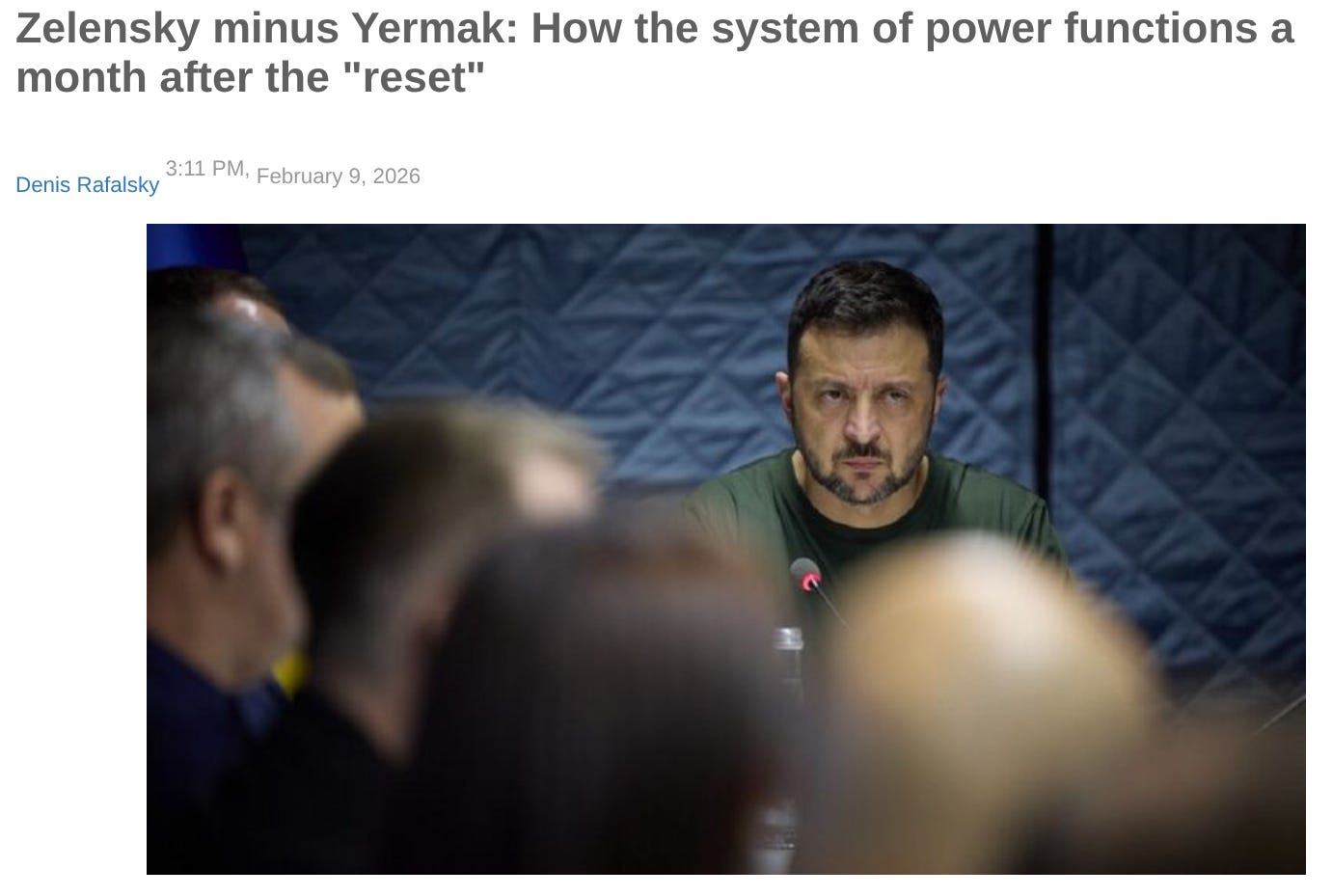
Our second source is a somewhat similar February 9 article by the more neutral Ukrainian publication strana.ua. Strana.ua has been sanctioned by Zelensky since 2021 as excessively critical of his pro-NATO course, but it retains some journalists in Ukraine and enjoys a number of high-level sources in the Ukrainian elite. Their latest article examines how Zelensky has come to rely on a broader pool of advisors following the November 28 resignation of his old chief of staff, Andriy Yermak.
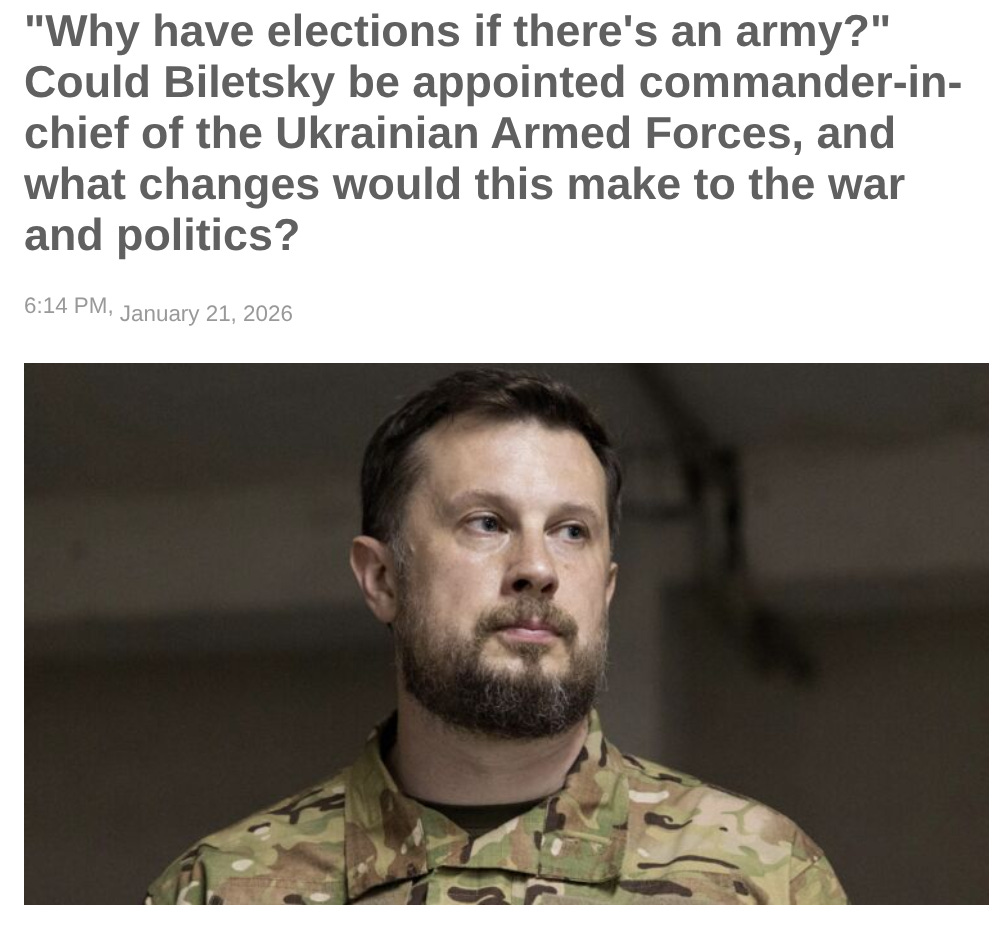
And our last source is another article from strana, but about the rise and future of head of the Azov movement, Andriy Biletsky. Also known as the ‘White Fuhrer’.
Budanov
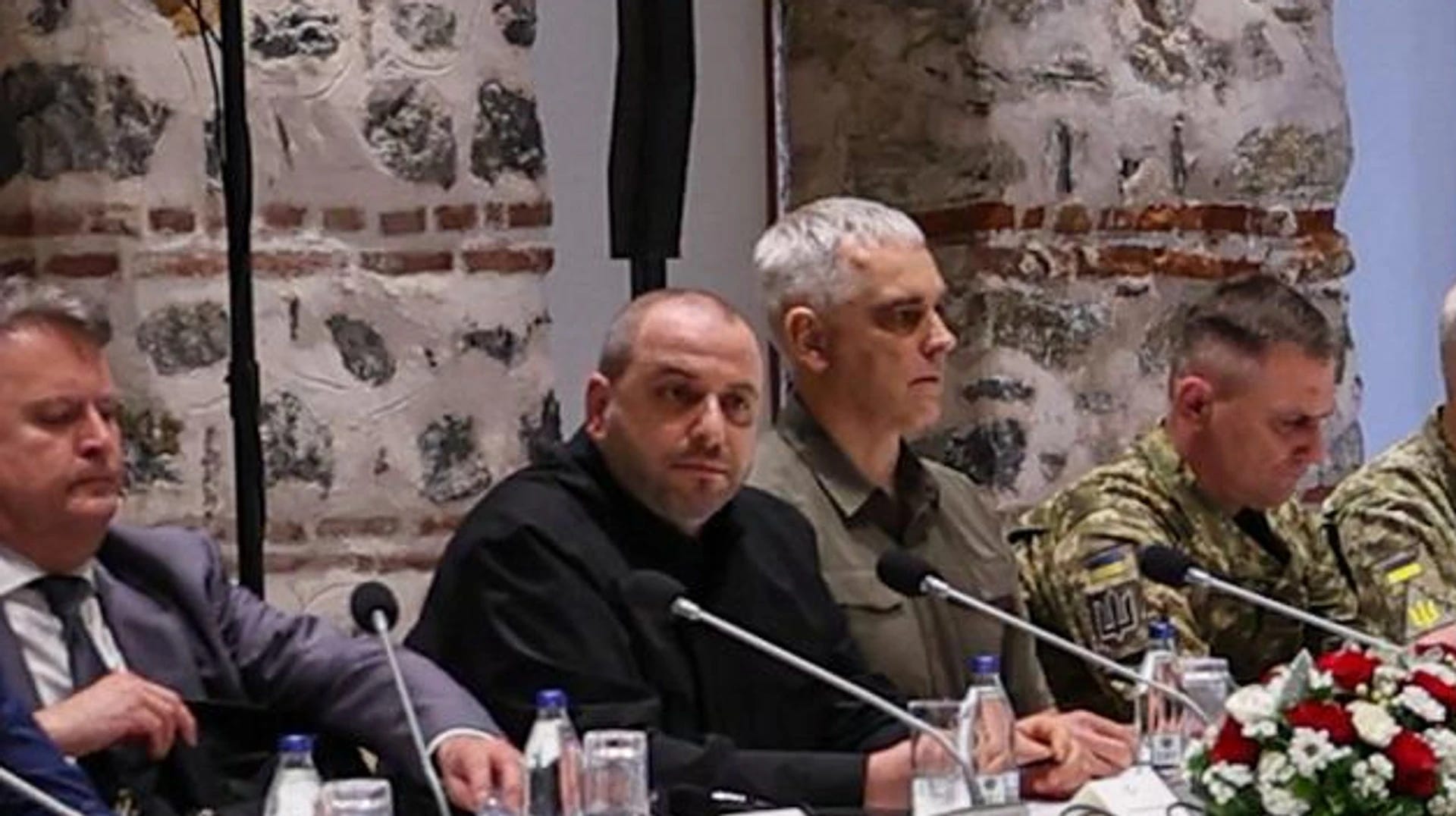
Ever since being appointed head of Zelensky’s presidential administration in early January 2026, Budanov has been quite preoccupied with Russia-USA negotiations. He is third from right in the photo below, with his close ally David Arakhamia on far right.
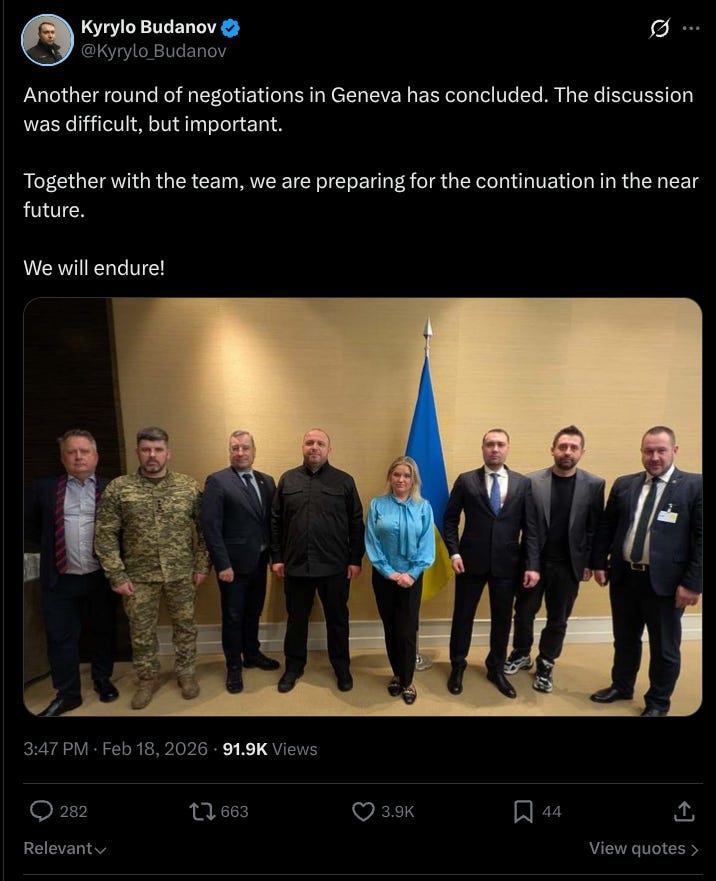
The latest interesting information on Budanov’s role in these talks came from the Economist on February 17. According to this article, Zelensky’s newly-minted chief of staff Budanov is the force in the Ukrainian negotiation team pushing for a ceasefire. Meanwhile, it is former chief of staff Yermak and his group of influence that pushes for continued war:
Divisions are also emerging within Ukraine’s delegation. One wing, centred on Mr Budanov, believes Ukraine’s interests are best served by a swift American-led agreement, and fears the window for action may soon close. But another wing, apparently still influenced by the controversial former chief of staff Andriy Yermak, who departed in a corruption scandal, is much less keen. Mr Zelensky appears to be balancing between them, while also having his own ideas.
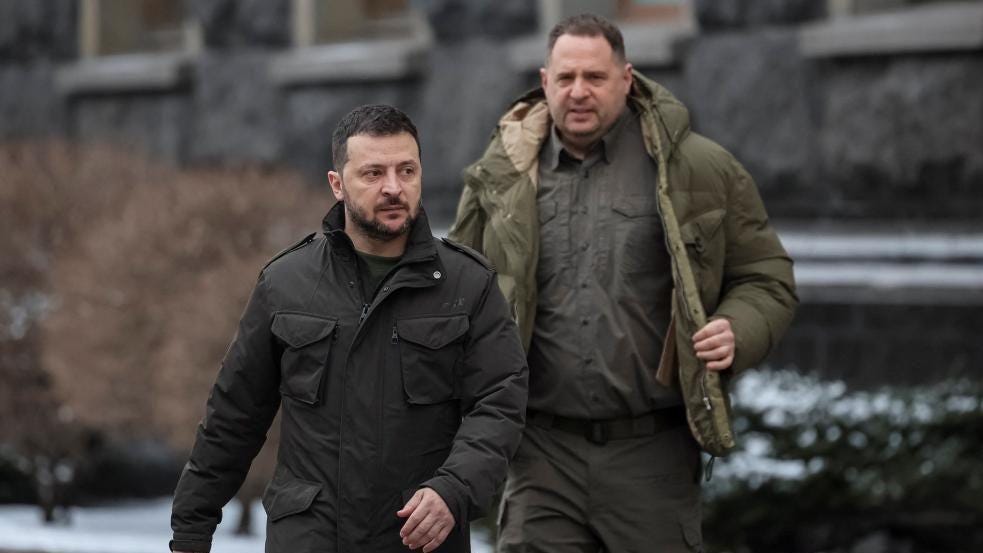
I’ve written before about reports that despite his resignation, Yermak continues to pay Zelensky’s daily visits. The fact of a split between him and Budanov on the topic of peace is in keeping with the theory I’ve covered before, namely that where Budanov represents the CIA, Yermak is allied with the MI6.
Where Washington may want to focus more on China instead of Russia, London remains preoccupied with Moscow. Besides that, Budanov’s more intimate knowledge of affairs at the frontlines leads him to worry that continue war may fatally degrade the Ukrainian army. At the start of 2025, he expressed the opinion that Ukraine would cease to exist as a state unless a peace deal is reached.
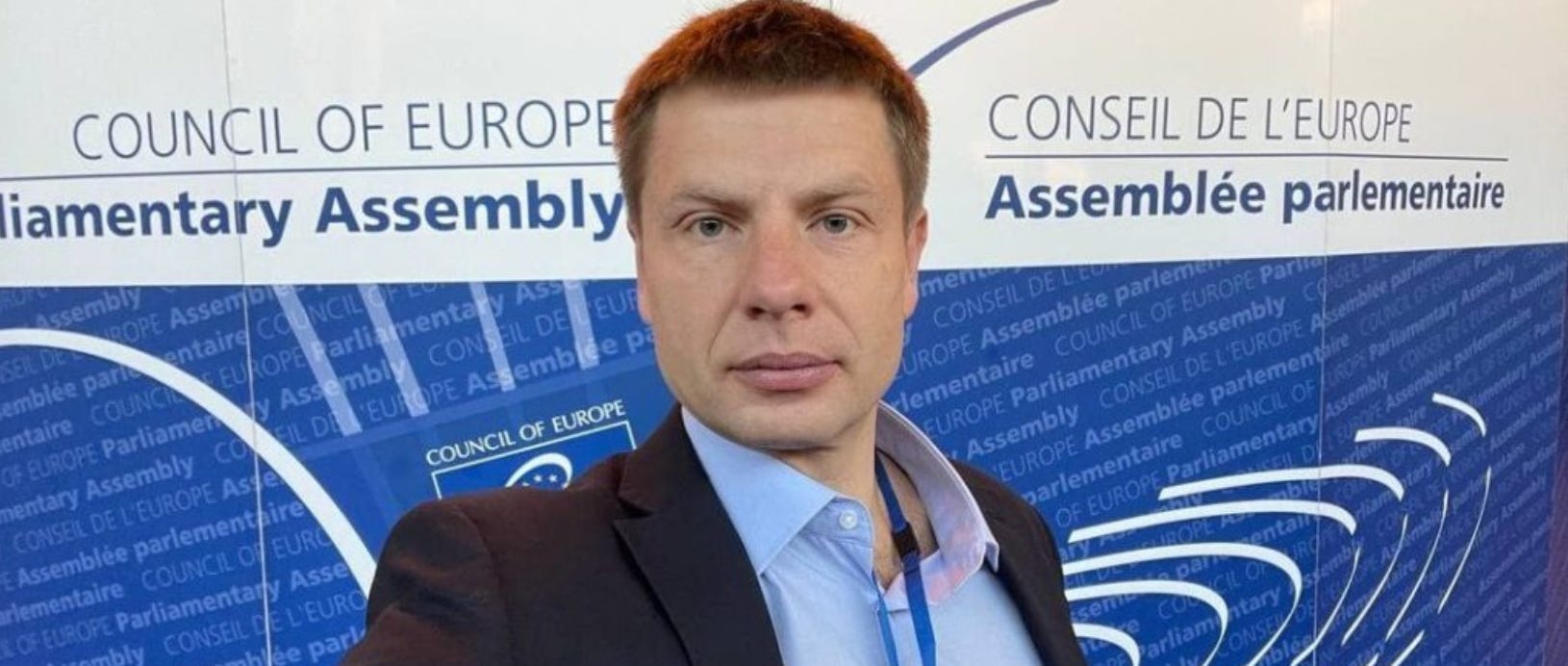
A sign of how seriously Budanov takes his role in Ukraine’s peace negotiation team comes from Ukrainian MP Oleksiy Honcharenko, of the oppositional ‘European Solidarity’ party. Though his party is pointedly nationalistic, Honcharenko was one of the few MPs to come out openly in favour of Trump’s peace plan back in November. He is often accused of trying to score cheap ‘populist’ brownie points by liberal nationalist critics. This is what he told strana.ua on February 9:
“There are no more leaks to the press from the negotiations, even though several rounds have already taken place. Today, there was another meeting in Abu Dhabi—and nothing. But before, they happened all the time. Apparently, Yermak did this back then, which greatly irritated the Americans and damaged our relations with him,”
Another important question is how much Budanov retains control over the Main Intelligence Directorate (GUR), the institution he headed from 2020 to 2026. It was through his leadership of the GUR that Budanov was propelled from a nobody to a man who beats Zelensky in some polls.
According to Ukrainska Pravda, Budanov’s influence has been eroded by the new head of the GUR appointed by Zelensky in January of this year. Oleg Ivashchenko, previously head of the Foreign Intelligence Services (SZR), was appointed to head the GUR. His success is quite impressive, given that Ivashchenko’s appointment was originally greeted with open disgust by GUR-run telegram channels.
Since Malyuk, head of the SBU from 2023 to 2026, refused to take charge of the SZR, this institution has remained without an official leader for a month. In any case, Ivashchenko seems to be dealing relatively well with control over his new post at the GUR:
While the Office of the President is looking for a person to head the Foreign Intelligence Service, its former chief, Oleh Ivashchenko, is getting up to speed at the Main Intelligence Directorate.
According to Ukrainska Pravda’s sources within the GUR, the process of taking over full control for the new head cannot be considered easy. Budanov built within the broader security framework his own closed structure, which was held together by personal loyalty and respect.
Therefore, as sources in the GUR insist, at times Ivashchenko had to face resistance inside the agency, when people refused to carry out the wishes of the new head without a signal from the previous one — “their real” commander.
“But that’s not how it works. In civilian agencies like the Interior Ministry, you might somehow sabotage a chief, build parallel chains of command, and so on. But in a military structure like the GUR, you won’t last long like that. There, the head has far more means of ‘persuasion’ than in civilian services. Today you rebel, and tomorrow your subordinates are already carrying out an operation behind enemy lines. And their losses would weigh on your conscience — the result of your pride or something else,” one of Ukrainska Pravda’s interlocutors in the security leadership explains the logic of military management.
“And besides, Ivashchenko himself is from the GUR. He should be able to take control there. Especially since Budanov is now involved in such a much larger negotiation process that he is unlikely to be interested in fighting over the Directorate as well,” the source adds.
Indeed, this seems to have been the genius of appointing Budanov to head the president’s office. This position is so involved that it will leave Budanov no time to tend to his old affairs in the GUR. As a result, Zelensky seems to have temporarily neutralized a powerful potential competitor. This theory makes particular sense given that Zelensky retains good relations with Yermak, Budanov’s arch-rival.
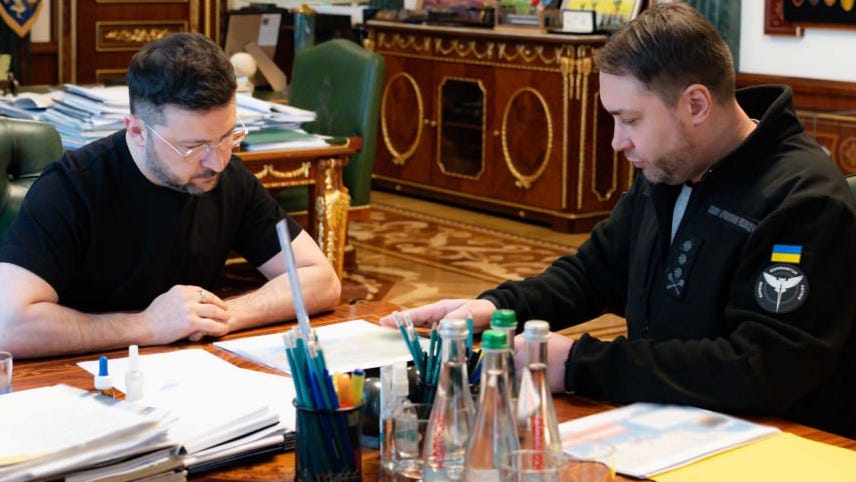
Nevertheless, Budanov does retain political ambitions. Strana.ua wrote this on February 9:
Unconfirmed rumors link Budanov to the newly-formed "Defense of the State" party, whose congress recently took place in Ternopil. Media outlets and Telegram channels are filled with reports of Budanov's skillful handling of the leadership of the President’s Office, his growing public support, and his move to break the deadlock in peace negotiations.
But the way that negotiations are going, Zelensky may be able to pin the failure of peace talks on Budanov as well. Of course, this is also not unrelated to last week’s assassination attempt on a key Russian negotiator by Budanov’s old enemy, the Yermak ally Oleksandr Poklad of the SBU.
Otherwise, Budanov appears to be delegating much more power to his aides (‘deputies’) than the previous head of the president’s office, Andriy Yermak. This is from strana:
a source in the Servant of the People faction leadership says the deputies have even increased their influence compared to the time of Yermak, who tried to interfere in all processes.
“Under Budanov, the deputy heads of the Office of the President have gained more independence in their respective areas,” the source says.
In particular, noting that they are now increasingly working independently with parliament.
Among the candidates for the head of the OP, the source singles out Oleg Tatarov, who oversees work with law enforcement agencies, Irina Mudraya, who oversees the legal department, and Viktor Mikita, who is responsible for work with the regions.
As an aside, note that though Tatarov was once considered Yermak’s most nefarious and ‘pro-Russian’, illiberal ally, his support was in fact instrumental for the defeat of Yermak by the western-funded liberal group in November 2025. Tatarov remains in charge of Ukraine’s law enforcement organs, and the old hysterical whining about him from liberal crowds has evaporated.
Back to strana:
“It’s clear that if Budanov brought some of his people into the Presidential Administration, they’d be unlikely to replace heavyweights like Tatarov. That’s why Kirill [Budanov] is in no rush to make changes. And the Rada [parliament] isn’t his top priority. He has a good relationship with David: why would he interfere in someone else’s business?” says a source close to David Arakhamia [head of Zelensky’s parliamentary fraction, and a well-known pro-American ally of Budanov’s - EIU].
And yet, the president’s team remains wary of Budanov.
“He’s considered a friend-rival. It’s still not entirely clear whether Budanov will play with us or not. He has some sort of structure focused on the elections, although he has no official connection to it. And he doesn’t say, ‘Let’s work together now: here are my resources.’ Meanwhile, a supposed congress of his party, “Defense of the Country,” was recently held in Ternopil , although he wasn’t there. He’s focused on the international track, the war, and so on. But questions remain. And that’s why the president doesn’t invite him to all meetings—certainly not those where election-related topics are discussed. Meanwhile, Budanov’s approval rating is growing. Generally, he has the image of a good man in power: 70% trust, no negative ratings,” says a source with close ties to Bankova [the president’s office - EIU].
Poklad
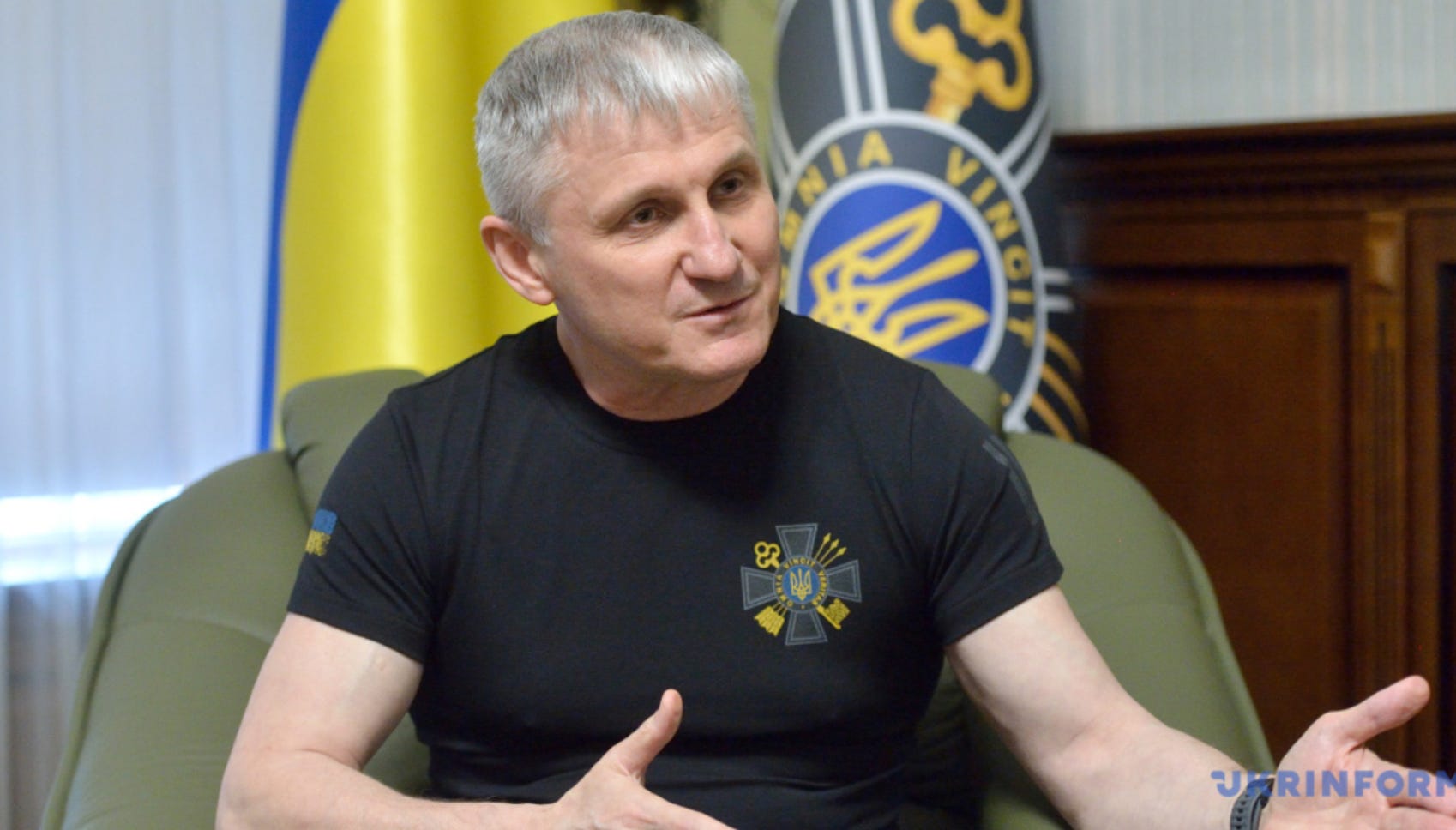
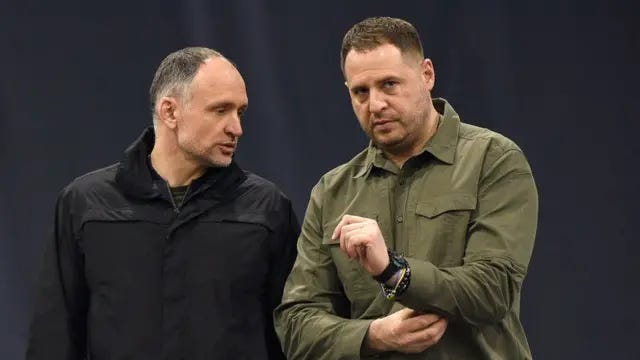
Onto Oleksandr Poklad, also known as the Strangler and his institution, the Security Services of Ukraine (SBU). Like Budanov, Poklad (the white-haired man below) often takes part in negotiations with Russia and the US. But Poklad and Budanov are quite different indeed.