Budanov - Russian agent?
Russian passports, drugs, money laundering, private prisons.

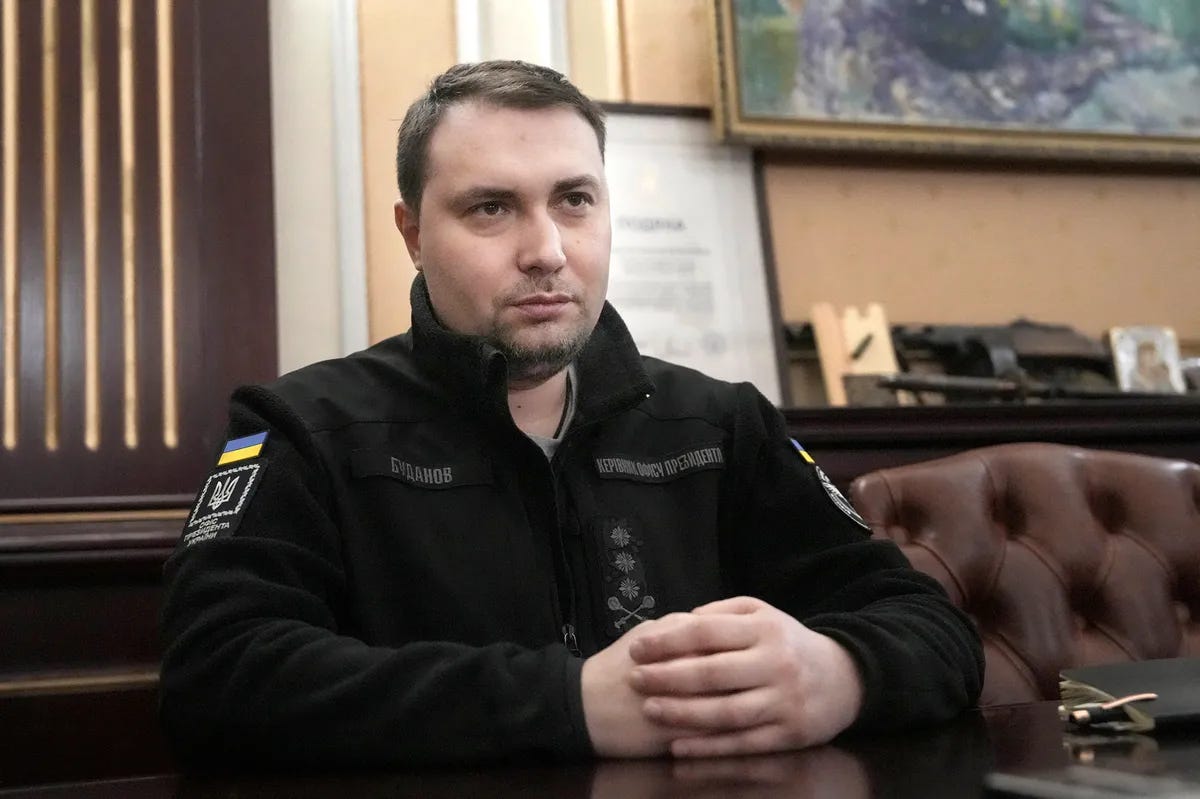
Kyrylo Budanov has become one of Ukraine’s most recognizable faces. The world seemingly depends on his diplomacy. But who really is he?
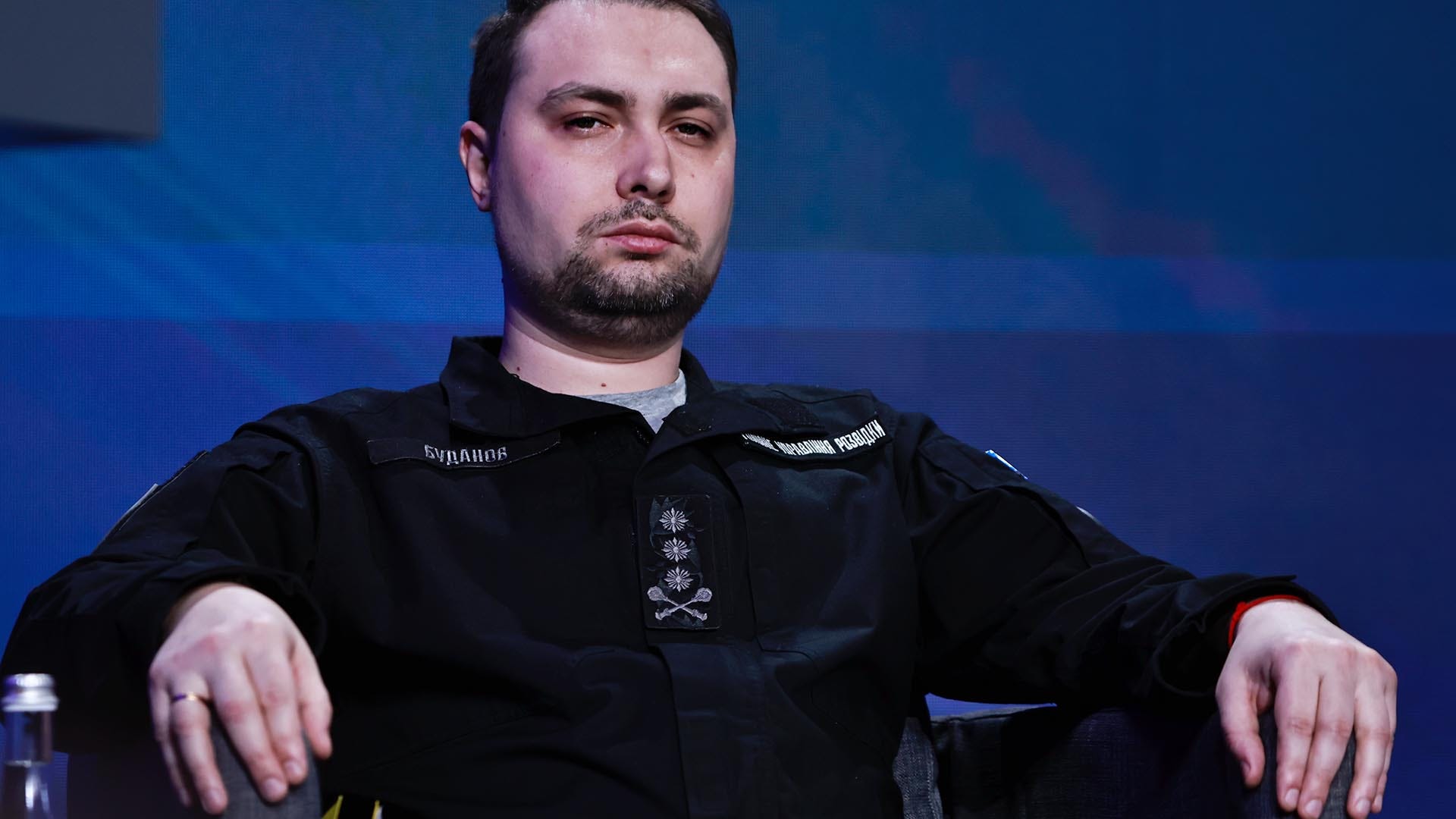
As head of the Main Intelligence Directorate from 2020 to 2026, he gave an endless array of aura-farming interviews while posing on the background of dramatic posters. Budanov loved to take credit for all variety of dramatic special operations on Russian soil, and patronized a wide network of eccentric paramilitaries. The Grand Wizard of Ukraine’s Mossad.
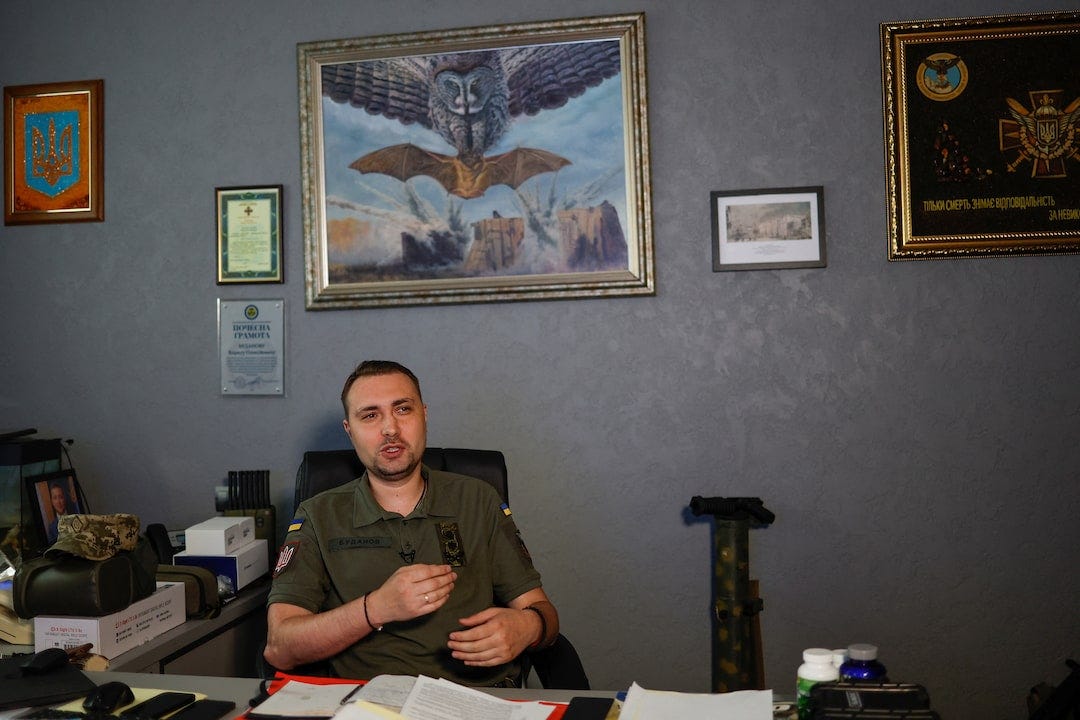
According to the NYT, he was trained by the CIA and even given special medical treatment at the Agency’s Walter Reed Medical Center in Maryland.
At the start of this year, Budanov was given a new position — head of the Office of the President. This has always been seen as the most important official post in the country besides the presidency.
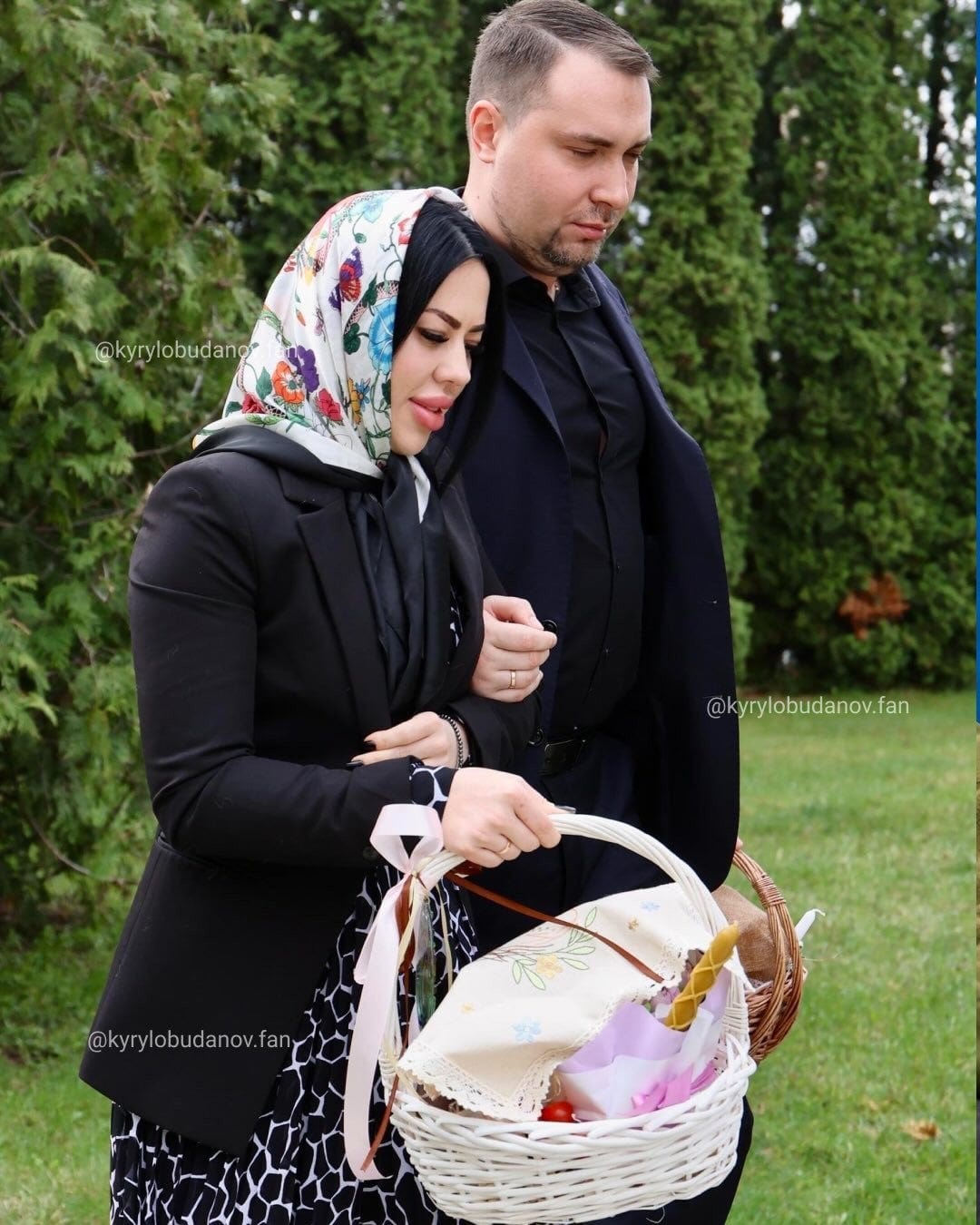
In his new position, Budanov has been even more active than ever before. There is a newly-created political party loyal to him, and a set of Instagram pages glorifying his every move. Last week, Budanov and his wife Marianna made a very public Easter trip to Church, one of the most commented-upon events of the holiday.
Strange statements
An Easter trip to Church. But not just any church — the Ukrainian Orthodox Church loyal to the ‘Moscow Patriarchate’, as nationalists say. Since 2018, nationalists have been trying through various means to repress the activities of this older, originally more popular church, in favor of the newly created and state-supported Orthodox Church of Ukraine, whose pastors sing the praises of the Nation.
Why on earth would Budanov visit such an institution?
In fact, Budanov has been making a number of statements that should raise the hackles of all the patriots reading this. It all seems rather dissonant with his usual image as the country’s most fearsome spook, a congenital warrior against the Russian menace.
Last week, Budanov told a journalist that it is a bad idea to ban the Ukrainian Orthodox Church, and rebuked her for using the term ‘Moscow Patriarchate’. In his words, the UOC is now entirely loyal to the Ukrainian state, and nothing can be accomplished by force. Some political analysts speculated that Budanov was positioning himself to win the hearts of minds of millions of voters skeptical towards shrill Ukrainian cultural nationalism. Sources say Budanov has felt this way about the UOC for a very long time.
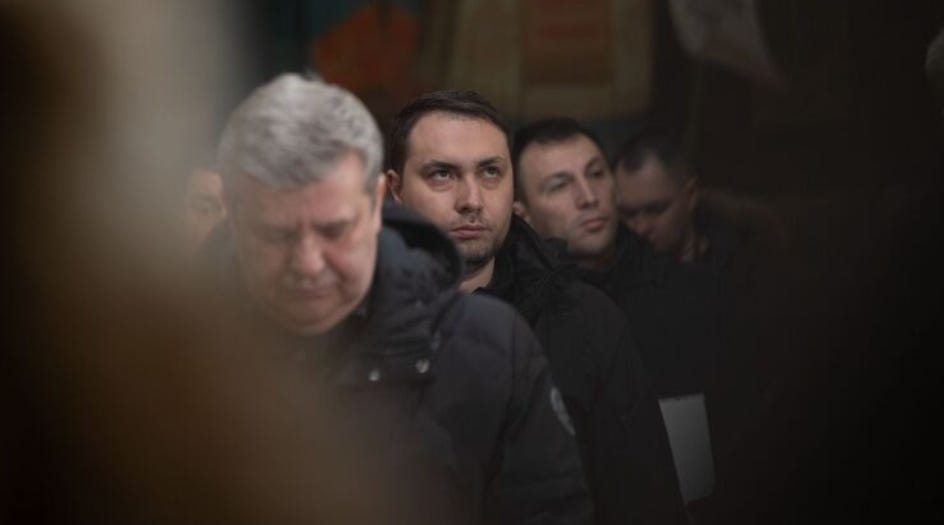
And Budanov has even been putting the glory of Ukraine’s latest wunderwaffen in question. In late March, there was an interview with Denis Shtilerman, one of the top engineers in Fire Point, the military industrial company that received a third of the defense budget in 2024 through its closeness with Timur Myndich and other infamous Zelensky insiders. Anyway, Shtilerman claimed that Fire Point is now capable of making air defense systems that rival that of the US Patriot, and that their Flamingo missiles will soon be able to hit Moscow.
Striking a different tone, this is what Budanov told CEO Club Ukraine on April 9 upon a question from a former official on how Ukraine is to reach glorious Israel’s military industrial capacity:
All our current high-end defense technologies—drones and so on—whose component base is that? What is Ukrainian there? Even the 3D printer on which most of the parts are made—it’s not ours either. And the materials used in it are not ours. We are users, nothing more. We have to move away from this as things stand now.
Many people say: “We are a tank-building country, a missile-building country, right?”
But how many tanks have we built? If you’ve ever looked into it—during the full-scale war, zero. Exactly zero. But we have started making missiles. We have started, but there are also nuances there, let’s be frank, and serious ones.
But until we become—these nuances, by the way, are again largely because of this problem. The component base, certain units and assemblies are simply not sold to us. And they are not sold by our allies, I’m telling you this directly. And we lost the ability to produce our own about 20 years ago. We used to be able to, by the way, but then we lost it. And until we create our own—first of all, guidance systems—we will have serious problems. Guidance and targeting—this issue is unresolved.
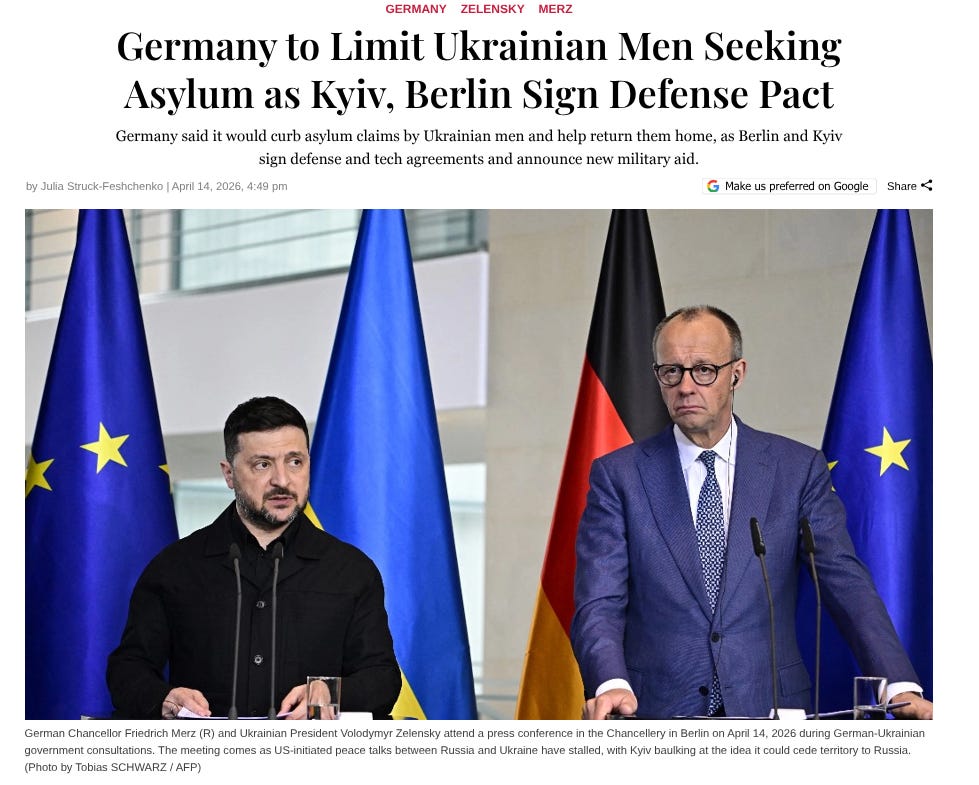
He also told those present he doubted the majority of Ukrainians who left after 2022 would ever return. Again, a different tone to Zelensky, who recently got German chancellor Mertz to chant alongside him that it was time to force Ukrainian men abroad to come home.
Things got even more suspicious on April 12. That day, Budanov warned journalists about some sort of imminent ‘triggering event’. Apparently, it will ‘require that we stay united as a people’. ‘Unfortunately’, he went on, ‘if we aren’t united, there could be a catastrophe’.
Naturally, many drew the conclusion that he was referring to the visit Kyiv is expecting from Steve Witkoff, Jared Kushner, and possibly, if the Ukrainians are particularly lucky, Lindsay Graham. This team of kosher superheroes is expected to request the Ukrainians give Russia the remaining two cities of the Donbass, Kramatorsk and Sloviansk.
Zelensky never stops huffing and puffing about how unacceptable this is to him and would lead to a popular uprising (hence the ‘need for unity’, per Budanov). But Professor Trump told television yesterday that he is looking forward to ending another war — his ninth, apparently.
I’ve written before about Budanov’s various statements expressing his appreciation of Mr Trump and the need for a ceasefire to end the war. In the past, I’ve talked about theories that Budanov thereby represents the CIA branch of the Ukrainian power elite, unlike MI6 figures like the man that Budanov replaced as head of the President’s Office, Andriy Yermak.
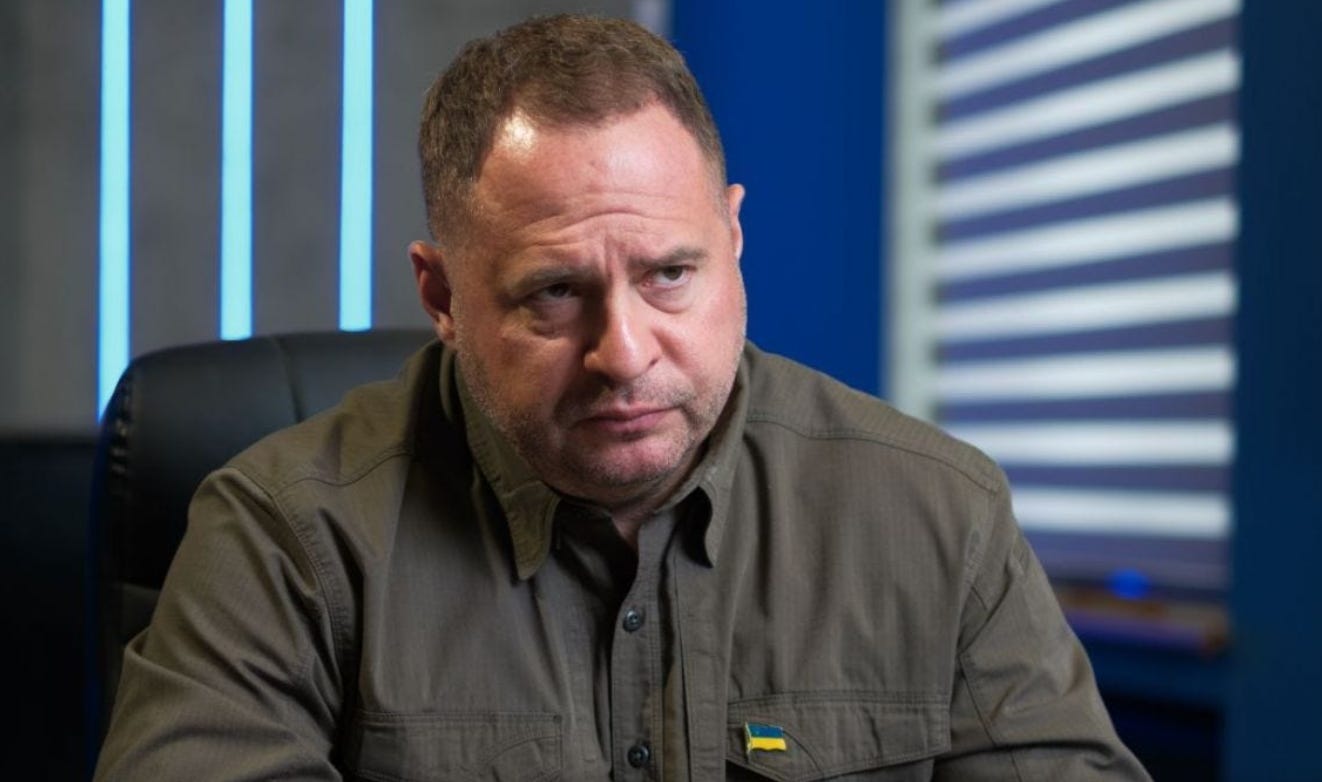
The theory goes that where the CIA/Washington network wants to come to a deal with Moscow in order to better focus on its confrontation with China, the MI6/London axis is set on endless war with Russia through Ukrainian bodies. Hence Yermak’s vigorous championing of the ‘1991 borders or bust’ slogan, unlike Budanov’s warnings throughout 2025 that ‘without a ceasefire, the Ukrainian state may cease to exist’
But as always, there’s another explanation for Budanov’s true curators.
Two months back, the Azov-aligned military and talkshow veteran who calls himself Arty Green (real name Evgeny Bekrenyev) appeared again on the podcast of Ukrainian journalist Nikolai Feldman. They were discussing Budanov, and Bekrenyev let loose with a bombshell — the long-time head of military intelligence and current head of the presidential administration is a Russian agent. Even worse, Trump knows that, and he’s happy that Budanov was promoted and now plays the leading role in negotiations. After all, Trump wants the Ukrainian problem to disappear, the better to begin a glorious era of Washington-Moscow brotherhood against China.
Despicable rumor-mongering! But just two days ago, Bloomberg put out a new piece on Budanov titled From War Hero to Politics, Zelenskiy’s Top Aide Steps out of the Shadows. It begins by noting his admiration for Napoleon Bonaparte, but Budanov adds that while he has ‘great respect for him as a figure’, ‘I don’t agree with his actions, since he fought against us at the time’.
Us? In 1812, modern-day Ukraine was part of the Russian Empire. Napoleon was assisted by the freedom-loving Poles, Ukraine’s eternal allies in the struggle against Muscovia. That’s what Budanov seems to have forgotten.
Most of the article is about Budanov’s political prospects and desire for peace. Noting that polls show his popularity ratings to be higher than Zelensky’s, it also includes speculation from ‘people familiar with the president’s thinking’ as to why he was appointed to take charge of presidential administration in January 2026:
Zelenskiy was increasingly concerned about Budanov’s rising profile, both as the head of a highly influential wartime agency and across Ukrainian society. The solution, the people said, was to remove Budanov from Ukraine’s military intelligence agency and keep him close.
As for peace, Budanov’s advisor says he is ‘genuine in his desire for a peace settlement, even if it proves painful for large parts of Ukrainian society’. Quite the opposite of Yermak’s calls for war until the 1991 border. And geopoliticaly, he is also the inverse of the anglophile, Brussels-lover Yermak:
(Budanov declined to discuss Ukraine’s dealings with the European Union in the interview, saying that readers “might completely lose their minds.”)
Western officials say Budanov has proven effective in talks with Russia, maintaining a back channel to Moscow and strong contacts in the Gulf, where the negotiations were hosted before the US-Israeli war on Iran caused them to be paused.
Perhaps more surprisingly, Russian counterparts also respect Budanov as a war hero, according to several officials close to the Kremlin. All the people familiar with Budanov’s approach asked not to be identified due to the sensitive nature of the diplomacy.
Budanov is also said by officials to be liked within President Donald Trump’s administration, including by White House envoy Steve Witkoff, meaning that he is taken seriously by all sides in the negotiations.
What’s more, Bloomberg notes that Budanov is quite careful in his rhetoric about Russia:
Publicly, he refrains from speaking disparagingly about the enemy, saying they too are pragmatic, professional and “also know very well how to negotiate.”
“Everyone understands the real situation,” he said. “They have precise data — maps, numbers, calculations, how long resources will last, what it will cost.”
He refuses to go into details, his reasoning stark. “In the worst case, they would be removed and executed,” he said. “And that would only weaken our position. Because those who come next — even if they might want to achieve something — would look at what happened to their predecessors and never agree to anything.”
That last paragraph is particularly interesting. I’ve written before about two cases where the Security Services of Ukraine (SBU) assassinated or tried to kill key intermediaries in negotiations between Russia and Ukraine. The first time, in March 2022, Budanov publicly criticized the SBU for ‘killing a GUR agent’. The second time, in February 2026, the SBU took aim at the Russian military intelligence officer that Budanov had enjoyed so many productive meetings with. The SBU general in charge of these assassinations, Oleksandr Poklad, has worked closely with Yermak throughout his life. Budanov’s rocky relationship with both is well-known.
General Nobody
So, we’ve established that Budanov supports an end to the war through negotiations, has respect for the Russian government, opposes repression of the ‘Moscow Patriarchate’ of the Ukrainian Orthodox, is close to the Trump administration, is frustrated with the European Union, and is well positioned to take control of the country after Zelensky.
Quite an impressive individual. Bloomberg also emphasizes his intellectual prowess and dedicated reading habits.
But where did this polyglot-spychief-future president even come from? What — or who — is behind this man upon which depends the future of the war and global geopolitics?
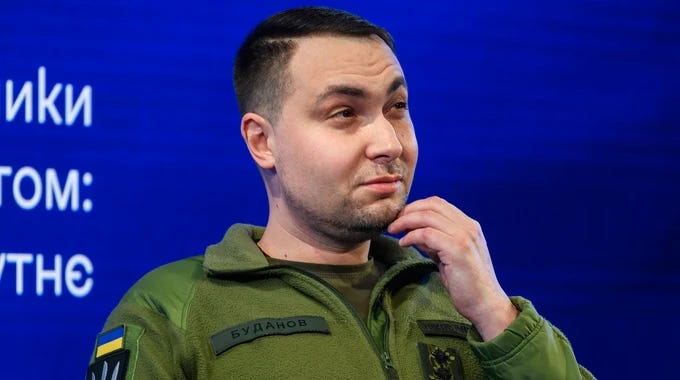
Kyrylo Oleksiiovych Budanov is only 40 years old. In 2020, at the tender age of 34, he was appointed to head the Main Intelligence Directorate (GUR) of the Ministry of Defense, the country’s most important foreign intelligence agency. He must have had a great deal of experience to embrace such an important role.
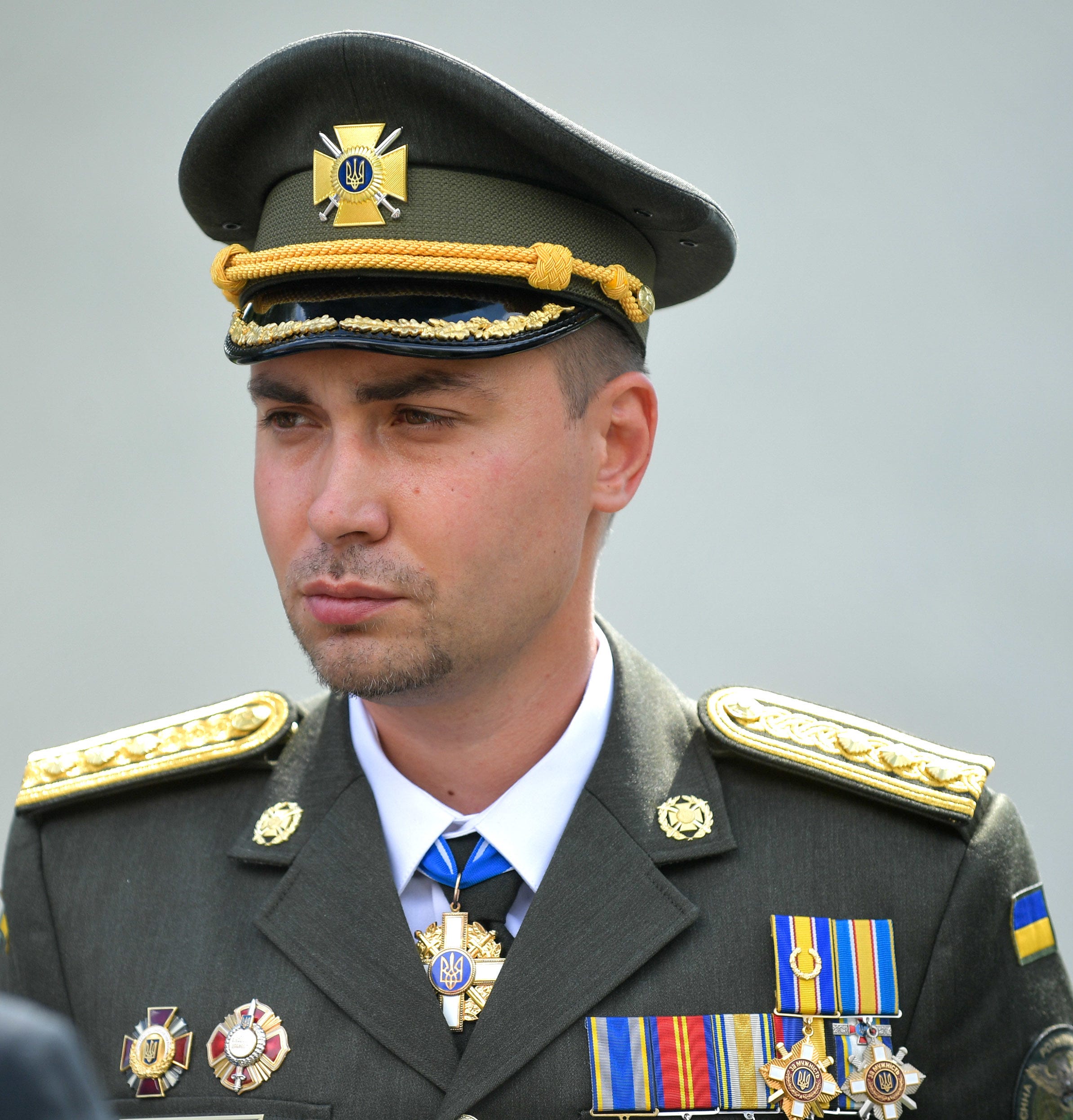
In fact, the amount of experience he had is debatable. All that’s known about his pre-2020 life is the fact that he took part in a strange operation against Russian-controlled Crimea in 2016, one whose unsanctioned nature earned the wrath of Joe Biden against then-president Poroshenko.
What’s more, from 2018 to 2020, Budanov’s financial declaration showed that he wasn’t even working at the GUR. He wasn’t working anywhere in these two years.
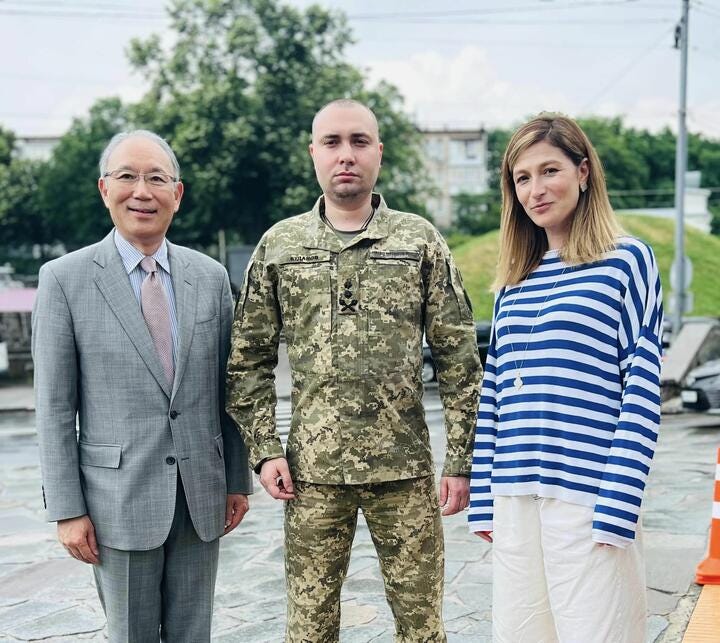
Perhaps this is related to the many assassination attempts on him. According to his close friend Alexander Gogilashvili (more on him soon), Budanov survived many such attempts, and accordingly required 20 visits to the surgeon. Many have noted his rather Frankensteinish physiognomy. After leaving the public eye for a few months, he posted this photo, suddenly bald, in mid-2023 to fend off rumours of his death.
Sure, maybe it’s natural that a spook wouldn’t be open about his finances or activities. But was it part of a meticulous cover operation that at 11pm on July 25, 2020, Budanov was stopped by police for drunk driving? In what was undoubtedly part of his latest operation, the 2008 Mitsubishi Pajero Wagon he was driving officially belongs to a Vadim Bannikov, but is declared as a vehicle for the use of Budanov’s wife, Marianna Budanova.
An important note — right at the moment that Budanov was driving about intoxicated, acting personnel of the GUR should have been highly anxious about the fate of the ongoing Operation Avenue. The failure of this absurd operation to lure would-be PMC Wagner employees to Belarus and then to Ukrainian captivity led to a conflict between the head of the GUR and Zelensky, with Budanov appointed as the pliable new replacement. But for now, just keep in mind that Budanov’s errant behavior at the time when the fate of this operation was hanging in the balance indicates that he was probably unaffiliated with the GUR between 2016 and 2020.
Anyway, having been stopped, Budanov refused to undergo a breath test in the presence of the two officers, which is an administrative offense. Within three days, the materials for the case against him were received by the Podilskyi District Court of Kyiv.
But within a few months, by August 5, Budanov was removed from retirement to take charge of the GUR. Even though there have been plenty of other precedents of military officers being dismissed from the ranks of the Armed Forces of Ukraine for similar offenses.
Indeed, Budanov’s case simply disappeared. Judge Olena Pavlenko of the Podilskyi District Court of Kyiv only considered the case on on October 30, 2020, five days after the expiration of the statute of limitations. Judge Pavlenko dismissed the case due to this, but repeated the accusations against Budanov as established fact.
So why was this seemingly disgraced, rather low-level operator from the GUR suddenly given the keys to the entire GUR castle?
Part of the answer is the aforementioned Operation Avenue, also known as Wagnergate. I went into it in more detail here, but I’ll sum it up again.
In short, the GUR under president Petro Poroshenko (2014-19) supposedly came up with a grand operation to create false advertisements for Russians willing to fight in a foreign conflict with the Wagner PMC. They were to be lured to Belarus onto a plane, and then tried in Ukraine for war crimes. However, Operation Avenue was derailed by the traitor Zelensky and his chief of staff Yermak. Nationalists affiliated with Poroshenko accuse Yermak of telling the Russians or Belarussians about the operation, as a sign of good faith to keeping negotiations with Moscow going. The Russian mercenaries were arrested in Minsk and sent back to Russia.
Western publications like the MI6-funded Bellingcat went extremely hard on blowing up ‘Wagnergate’ into a scandal of epic proportions, with the help of media and political figures allied to ex president Poroshenko and other USAID-funded publication. Zelensky and especially Yermak, they chanted in chorus, were despicable Russian fifth columnists leading the country to capitulation before the eternal enemy.
One such ally in the Wagnergate campaign was Vasyl Burba, head of the GUR since 2016. He even made dark statements about ‘treason’ having been committed.
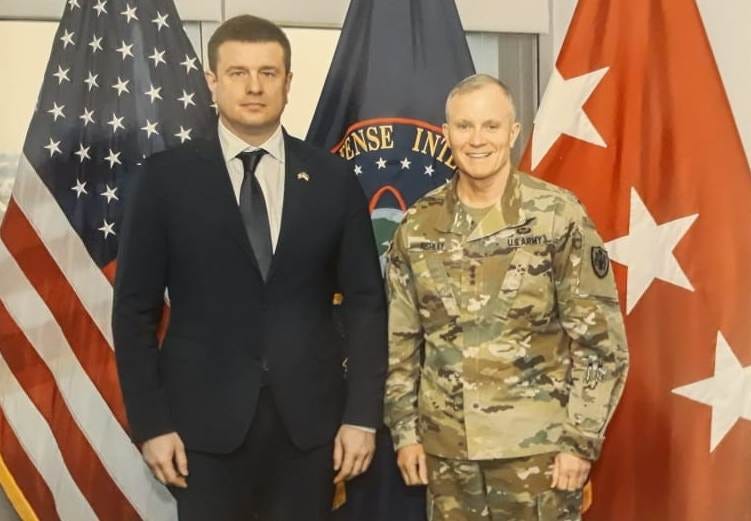
And so, Zelensky dismissed Burba on August 5, 2020, and replaced him that day with the little-known Budanov. The latter, in turn, soon declared that the whole Wagnergate story was just another case of Russian disinformation.
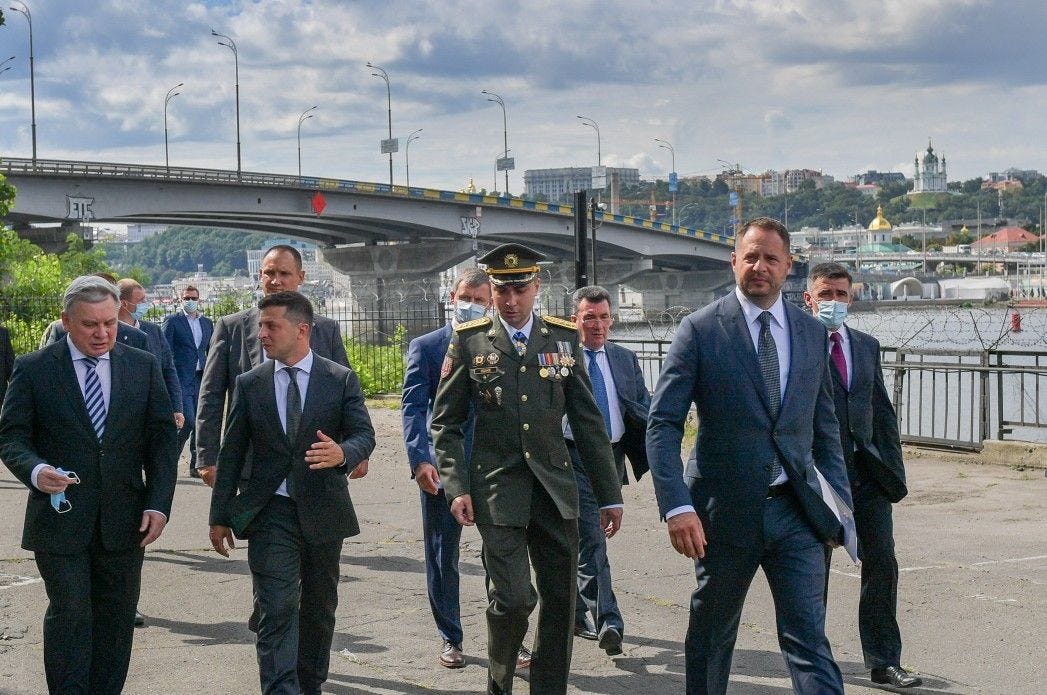
In this sense, it appeared to many at the time that Budanov was merely a figure chosen for his political loyalty.
There were also clan struggles in the intelligence agencies themselves at play. Some pointed to the fact that veteran Ukrainian spymaster Valery Kondratyuk, who had been in charge of the GUR from 2015 to 2016, had been appointed to take charge of the Foreign Intelligence Service (SVR) on June 5, 2020. And that later that month, he appointed Budanov his deputy at the SVR, the first administrative post Budanov had ever held. Budanov had served under Kondratyuk in the GUR, in particular during the 2016 Crimea operation that probably lost Kondratyuk his job due to the enraged reaction from Washington.
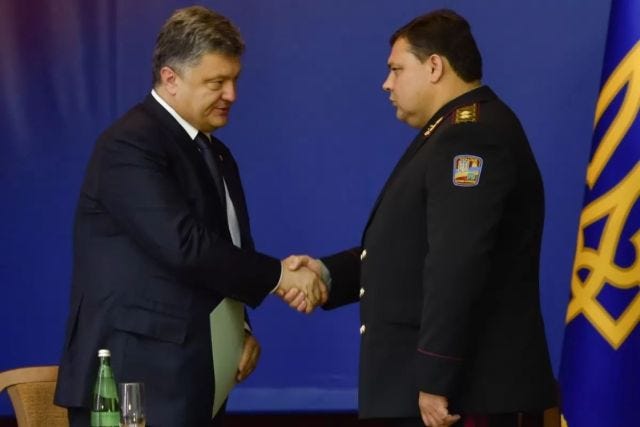
In this sense, Budanov’s appointment as head of the GUR was a clear victory for Kondratyuk in the struggle against his old enemy Burba. After all, as one journalist wrote, Budanov is merely a “Pinocchio” that “Father Carlo” carved out of a dull piece of wood. Now Kondratyuk was in charge of two out of three of Ukraine’s intelligence services — the SVR and the GUR. Only the SBU (Security Services of Ukraine) was not under his control.
A very strange friend
So had Budanov merely been given power by the Ukrainian power elite due to his good looks, low intelligence, and loyalty? His rather questionable cognitive abilities were exemplified by the absurd GUR kidnapping in broad daylight of judge Mikola Chaus from Moldova in the spring of 2021, somewhat of an international scandal.
And nationalists continued going on about Wagnergate, complaining that the malevolent Yermak and his Zelensky creature had replaced the honest patriot Burba with the stupid yes-man Budanov. But Budanov still had some credit among nationalists for his involvement in the 2016 Crimea operation, however unwise and costly it may have been.
Budanov really entered the public eye in December 2021. And this time, the story was far more titillating than that of Wagnergate.
It turned out that Budanov was living in the same house as Alexander Gogilashvili — a very old friend of Zelensky’s, now in charge of the war on drugs in the ministry of internal affairs. His vast network of forced drug rehabilitation centers abduct, beat, and even kill their ‘clients’, and are run by drug addicts and evangelicals who speak in tongues.
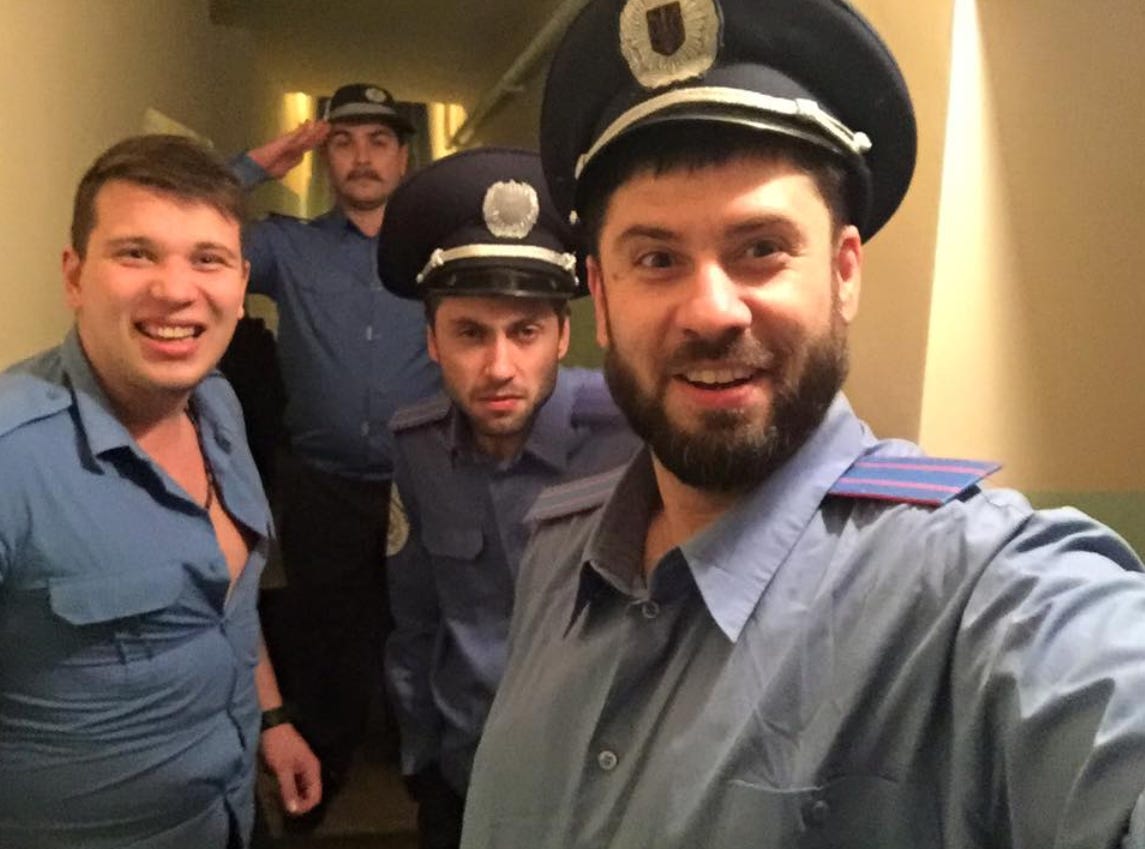
Gogilashvili, a Russian passport-holder, had worked with a patriotic Russian senator and pro-Russian armed groups in Ukraine. He was also probably the man who convinced Zelensky that Budanov was the ideal figure to take charge of the GUR. And the house Budanov and Gogilashvili were living in was owned by Ukraine’s biggest money launderer, who also had a Russian passport, and probably had the building bugged. Finally, Gogilashvili’s wife has been Zelensky’s most trusted aide since the 2000s, and is accused by some of leaking information about the Wagner operation to the Russians.
Phew! Now to unpack all these revelations.
